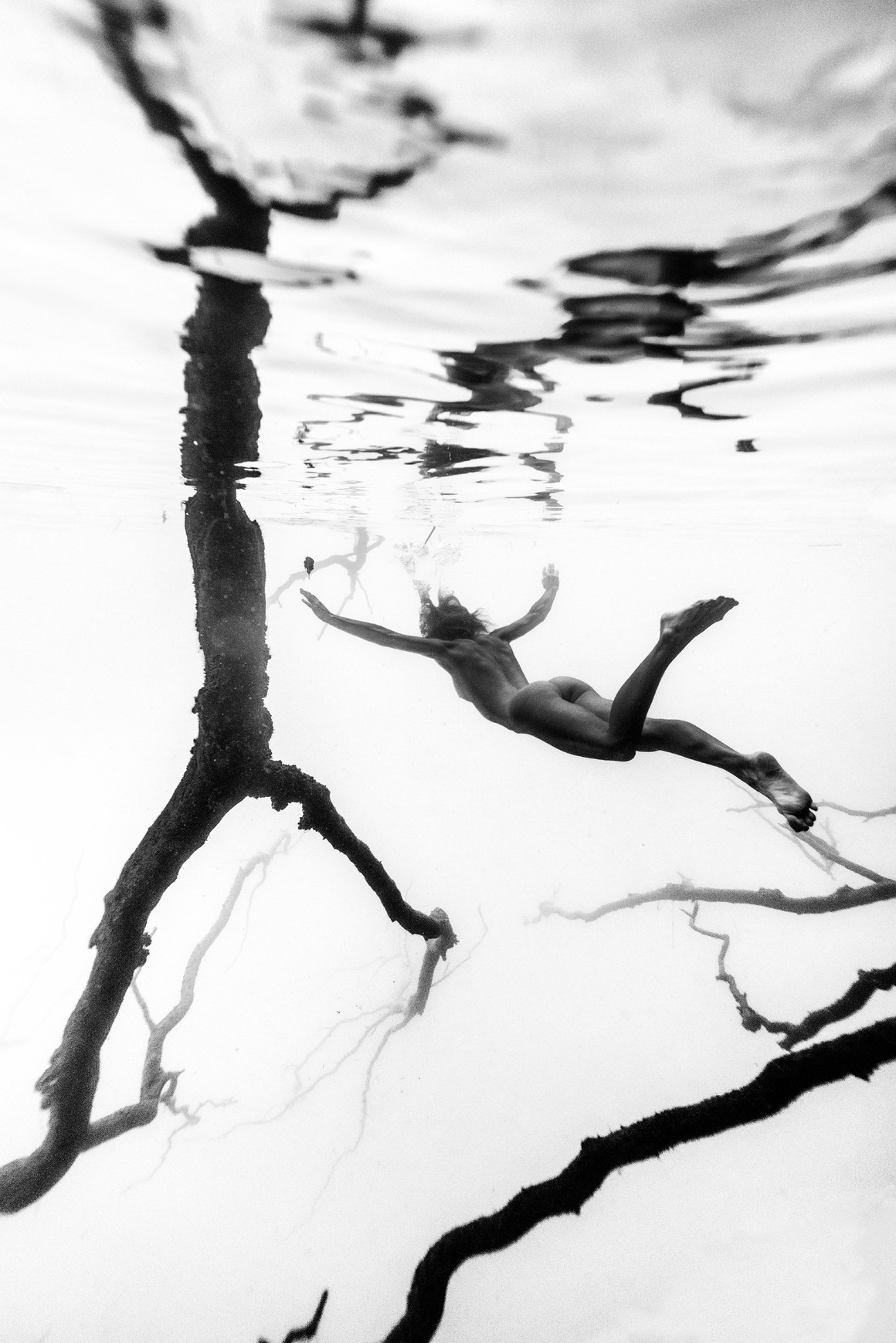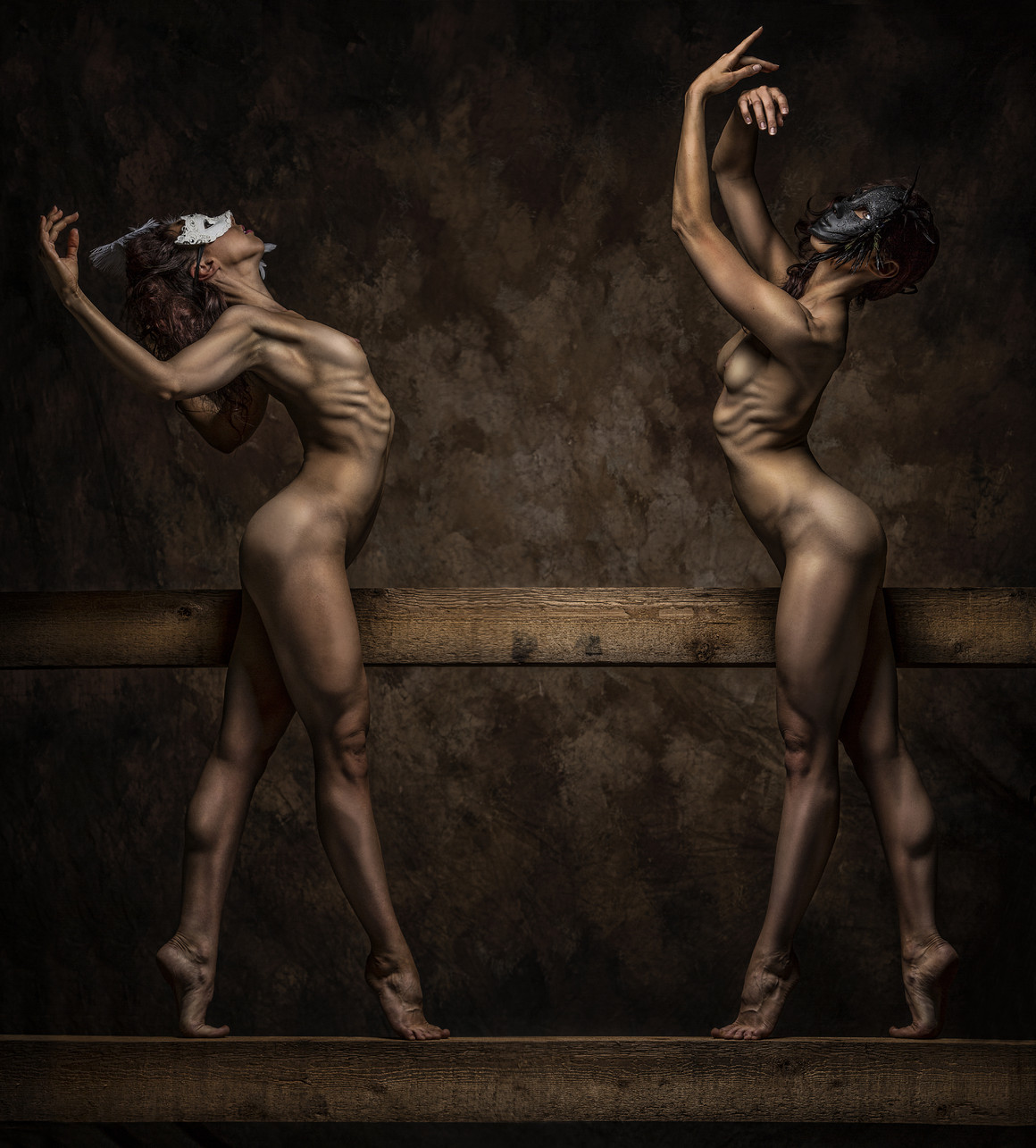
• The Reality of Nude Modeling

    Nude modeling carries an unusual tension in the public imagination. It is often misunderstood, frequently judged, and almost always reduced to assumptions that have very little to do with the reality of...

    Nude modeling carries an unusual tension in the public imagination.

    It is often misunderstood, frequently judged, and almost always reduced to assumptions that have very little to do with the reality of the work. In truth, modeling nude for artists, photographers, or fine art projects can be deeply professional, creatively demanding, and, for the right person, surprisingly empowering.

    For those who are curious about entering this world, the first step is not simply asking whether you are comfortable being seen. The real question is whether you understand the nature of the work, the boundaries it requires, and the discipline behind it.

    If you are considering nude modeling—whether for life drawing, fine art photography, or creative collaborations—there are several things worth understanding before you say yes.

    Nude Modeling Is Not Automatically Erotic

    One of the most common misconceptions is that nude modeling is inherently sexual.

    In a professional art context, that is often not the case at all.

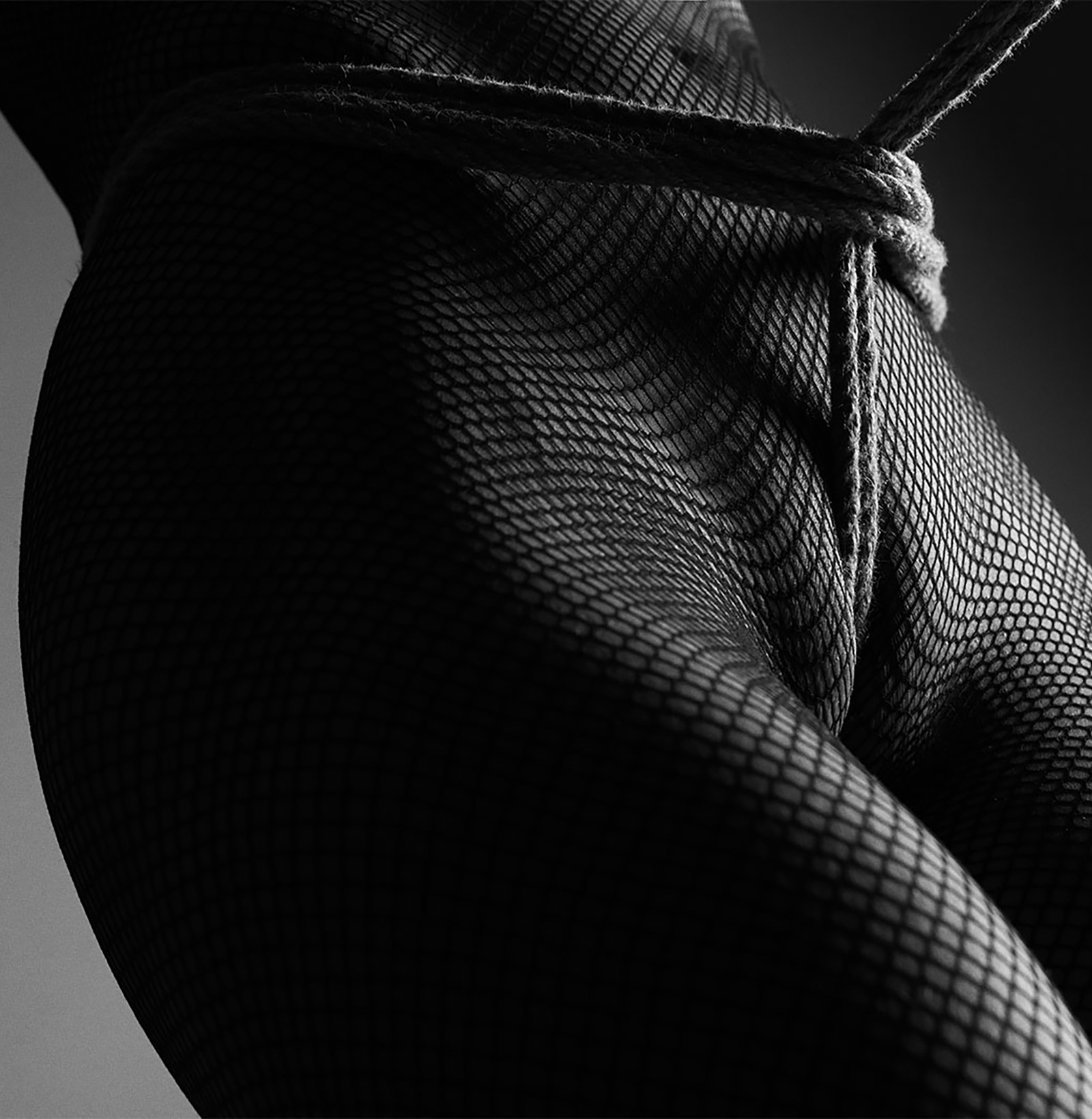
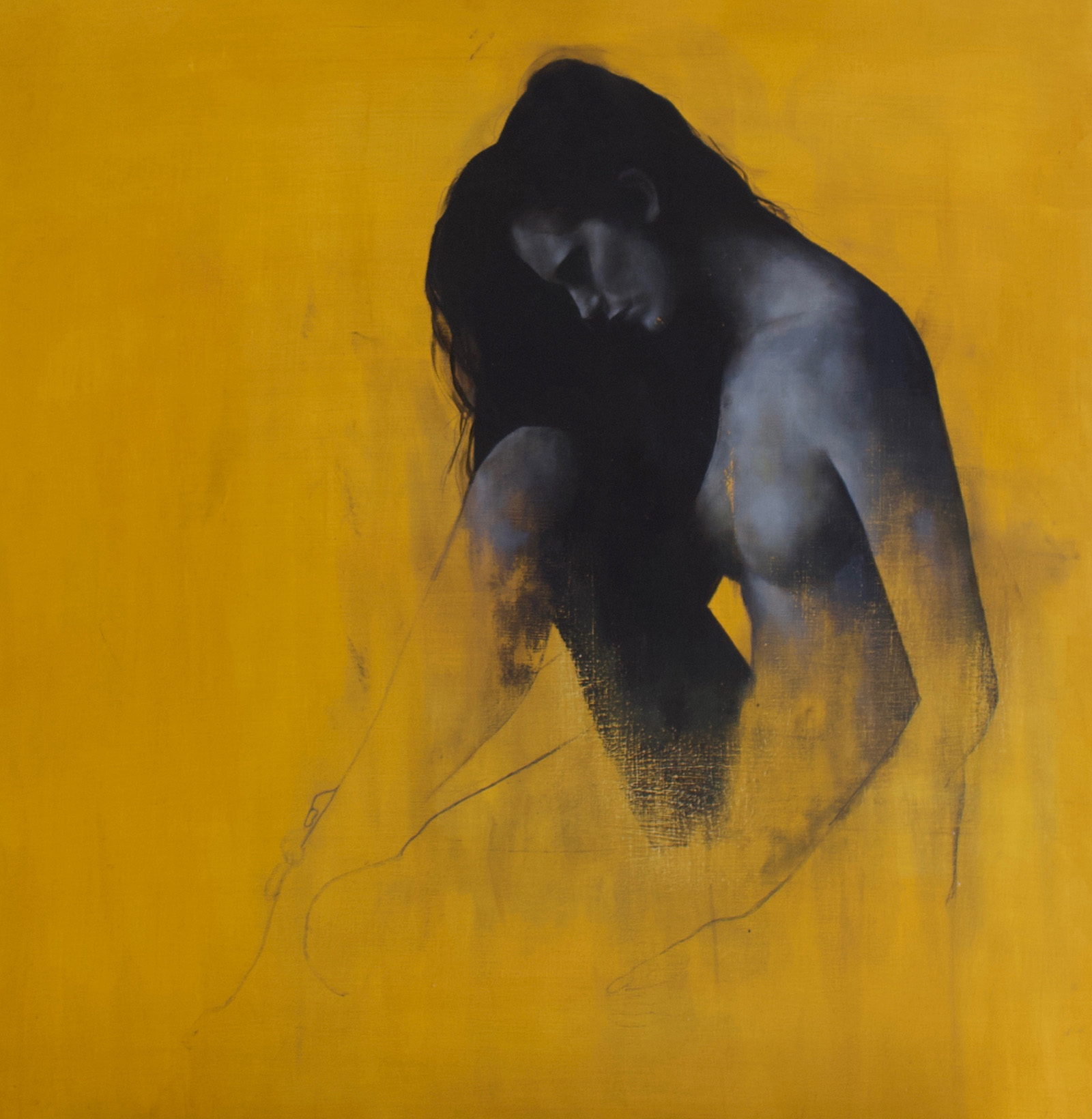
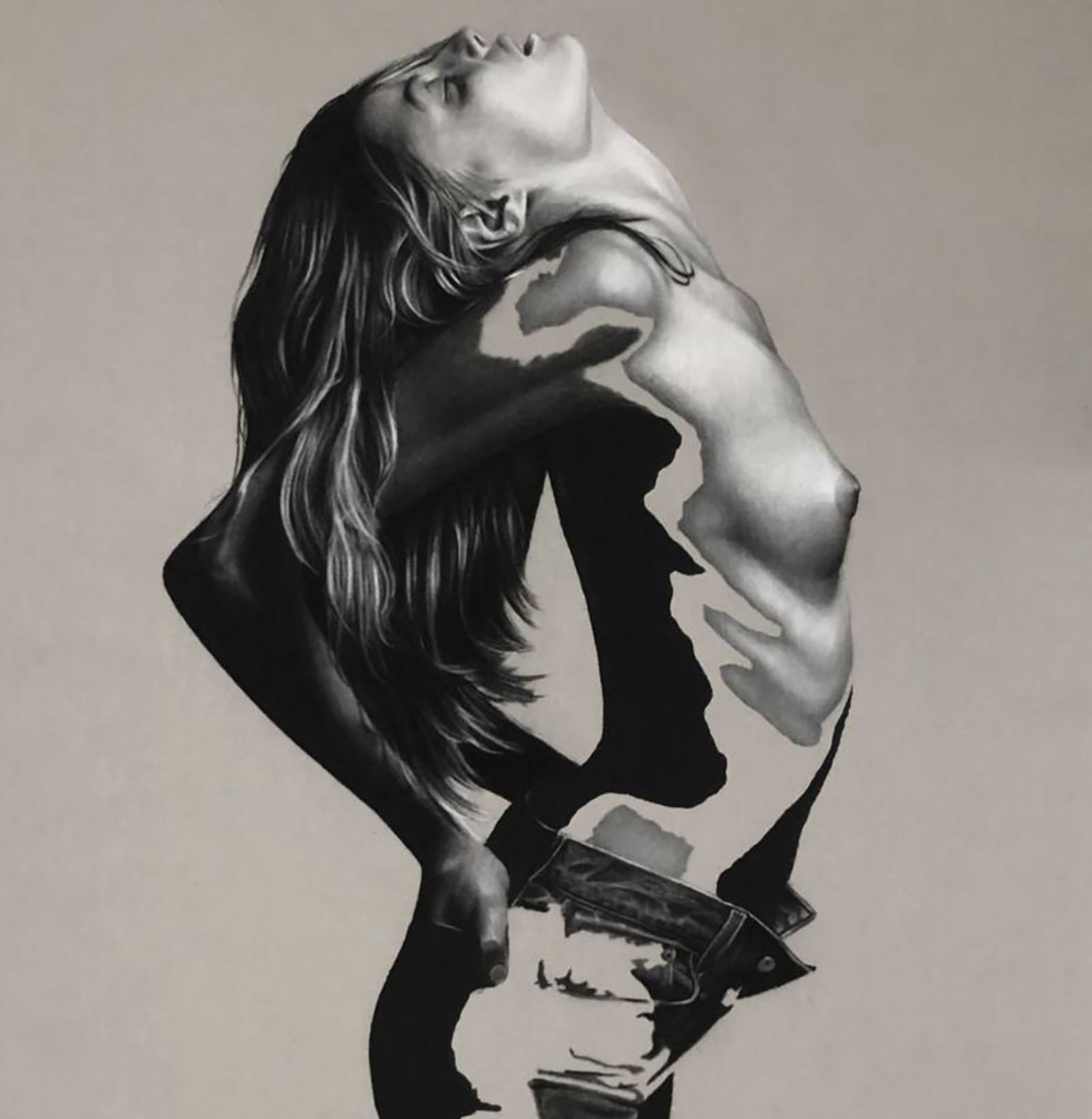
    In many settings, the body is approached as form, composition, movement, tension, structure, shadow, and line. Artists study the figure because the human body is one of the most complex and expressive subjects there is. The work may be intimate in appearance, but the purpose is often technical, artistic, or conceptual rather than erotic.

    Of course, not all nude imagery exists in the same category. Fine art, editorial work, erotic portraiture, performance art, and commercial projects each operate differently. The important distinction is that nudity itself does not define the intent. Context does.

    If you are stepping into this space, understanding the difference between artistic nudity, sensual imagery, and overtly sexual work is essential. They are not interchangeable, and you should never assume they are.

    The Work Is Far More Demanding Than It Appears

    To the outside world, nude modeling can look deceptively simple.

    Stand still. Hold a pose. Let the artist work.

    In reality, it can be physically taxing.

    Holding a single pose for extended periods requires stamina, body awareness, balance, and patience. Even short sessions can become surprisingly uncomfortable when your job is to remain motionless under bright lights, in a cold room, or in a position that places strain on the neck, back, hips, or shoulders.

    There is also a mental component that many first-time models underestimate.

    Being unclothed in a professional setting can feel vulnerable, even if the environment is respectful and controlled. The first session is often the most difficult—not because something is wrong, but because you are navigating a new form of exposure, discipline, and self-awareness.

    Many people discover that the work asks more of them emotionally than they expected.

    And yet, that is also part of what makes it transformative.

    There Is No “Ideal” Nude Model Body

    One of the most liberating truths about art modeling is that it does not depend on fitting a narrow beauty standard.

    In fact, the opposite is often true.

    Artists are not always looking for polished perfection. They are looking for character, proportion, contrast, structure, uniqueness, and presence. Different bodies offer different visual challenges and different forms of beauty. Age, softness, height, muscle, asymmetry, scars, curves, posture—these all bring something distinct to the work.

    The idea that only one type of body belongs in front of the easel or camera is a commercial fantasy, not an artistic one.

    If you are drawn to the experience but worry that you do not look like a conventional model, that concern may matter far less than you think.

    Privacy Matters More Than Most People Realize

    Many people who model nude do not advertise that fact publicly.

    That does not mean they are ashamed of it. It often means they understand the social reality around it.

    Despite the long history of the nude in art, many people still project assumptions onto anyone who works in this space. Because of that, some models choose to keep this work separate from other parts of their lives. Others are selective about the types of projects they accept, whether their face is visible, how images may be used, and where those images may appear.

    This is especially important in photography.

    Before agreeing to any shoot, you should know:

    • Where the images will be published
    • Whether your face is visible
    • Whether the work is anonymous or credited
    • Whether the photographer can license or resell the images
    • Whether the work is intended for gallery use, editorial use, portfolio use, or commercial distribution
    • Whether you are comfortable with the long-term digital footprint

    In the age of online circulation, “artistic” does not automatically mean private.

    Protecting your identity and understanding usage rights is not paranoia—it is professionalism.

    Boundaries Are Not Optional

    If you take nothing else from this conversation, take this:

    A professional nude modeling experience is built on consent, clarity, and boundaries.

    Before a session begins, expectations should be clear. You should know the nature of the work, the type of poses expected, the duration of the session, whether there will be other people present, whether there will be breaks, and exactly how the final work may be used.

    No one should pressure you into poses you did not agree to.

    No one should touch you without clear prior consent.

    No one should make you feel that discomfort is part of “earning your place.”

    Professional artists, instructors, and photographers understand this. If someone becomes evasive, dismissive, overly familiar, or vague about the purpose of the work, that is not sophistication—it is a red flag.

    The more elevated the art world appears on the surface, the more important it becomes to trust your instincts underneath it.

    Life Drawing and Fine Art Sessions Are Their Own World

    Modeling for a life drawing class is a very specific kind of work, and for many people, it is the safest and most structured entry point.

    In these settings, the focus is educational. Students are studying anatomy, proportion, gesture, composition, and how the body occupies space. The room is usually quiet, disciplined, and surprisingly clinical in its concentration.

    For someone new to nude modeling, this can be reassuring.

    There is very little ambiguity. The purpose is clear. The boundaries are usually well-established. The model is there as a subject of study, not spectacle.

    This is very different from a stylized fine art photo shoot, where mood, expression, sensuality, narrative, and creative interpretation may all be part of the final image.

    Neither is inherently better. They are simply different forms of work, and you should know which one you are agreeing to.

    The Money May Not Be What People Assume

    There is a persistent fantasy that nude modeling is easy money.

    In reality, it is often more modest and more variable than people expect.

    Rates can depend on:

    • Your level of experience
    • The city or market you work in
    • Whether the work is for a school, private artist, photographer, studio, or commercial client
    • Session length
    • Usage rights
    • Whether the work is live, photographed, published, or licensed
    • Whether the project requires anonymity or exclusivity

    Some models begin with modest hourly rates while they learn the landscape and build relationships. Others may command more, especially if they have a strong presence, a reputation for professionalism, or are working in photography, where licensing and image use increase the value of the work.

    That said, for many people, nude modeling functions best as supplemental income rather than a primary career—unless they are intentionally building a broader modeling practice around it.

    If your interest is purely financial, go in with realistic expectations.

    If your interest is artistic, personal, or experiential, the value may be broader than the rate itself.

    Confidence Is Helpful—But It Is Not Required on Day One

    A lot of people assume that anyone who models nude must be effortlessly confident.

    That is rarely true.

    Many first-time models arrive nervous, self-conscious, uncertain, or hyper-aware of every perceived flaw. Confidence often comes after the experience, not before it.

    For some, nude modeling becomes an exercise in body neutrality rather than body pride. It is not always about feeling beautiful. Sometimes it is about learning to exist in your body without apology, performance, or self-punishment.

    That shift can be powerful.

    Not everyone experiences it, and not everyone should force themselves into it. But for the right person, the work can become unexpectedly grounding—less about being looked at, and more about reclaiming the experience of being seen on your own terms.

    Not Every Opportunity Is Worth Taking

    Because nude modeling sits in a grey zone between art, commerce, and personal exposure, discernment matters.

    Before saying yes, ask yourself:

    • Do I trust the person or institution?
    • Is the purpose of the project clearly defined?
    • Do I understand how the images or sketches will be used?
    • Am I being compensated fairly for the scope of the work?
    • Am I comfortable with the aesthetic, tone, and intention of the project?
    • If this work existed online forever, would I still be comfortable with that?
    • Is this aligned with my boundaries, or am I talking myself into it?

    You do not need to say yes because someone calls it “art.”

    You do not need to say yes because someone says you are “perfect for it.”

    And you do not need to say yes because the opportunity feels flattering.

    The right project will withstand questions.

    Final Thoughts

    Nude modeling is not scandalous by default, and it is not effortless by design.

    At its best, it is disciplined, collaborative, vulnerable, and highly intentional. It can be an extraordinary creative experience. It can be empowering. It can be uncomfortable. It can be liberating. And sometimes, it can be all of those things at once.

    What matters most is not whether you are willing to take your clothes off.

    What matters is whether you understand the setting, trust the people involved, respect your own limits, and know exactly what you are agreeing to.

    In the right hands, nude modeling can be art.

    In the wrong hands, it becomes something else entirely.

    Choose accordingly.
  • How to Be Better at Sex

    5 Ways to Build Confidence, Intimacy, and Erotic Awareness Sex is everywhere in modern culture. However, most people are never taught how to approach it well. Many people learn about...

    5 Ways to Build Confidence, Intimacy, and Erotic Awareness

    Sex is everywhere in modern culture. However, most people are never taught how to approach it well.

    Many people learn about intimacy through porn, pop culture, awkward talks, or trial and error. Because of that, they often enter sexual relationships without knowing what truly makes sex feel connected, satisfying, and emotionally charged.

    Being “good at sex” is not really about performance. More often, it comes down to presence, communication, confidence, and curiosity. Body awareness matters too. Knowing your own desires matters as well. Just as important, you need to understand the person you are with.

    At Art Provocateur, sexuality is never just physical. It also lives in visual culture, sensual identity, tension, desire, and self-expression. For centuries, nude and erotic art have explored these ideas. As a result, they remind us that intimacy is emotional, mental, and physical at the same time.

    If you want to improve your sex life in a real way, stop chasing fantasy. Instead, focus on becoming more connected to your body, your confidence, and your partner.

    Here are five ways to begin.

    1. Move Your Body and Build Physical Confidence

    A better sex life often starts outside the bedroom.

    Regular movement can improve stamina, circulation, energy, flexibility, and body confidence. All of these can affect intimacy. Even a short daily workout can help you feel stronger, more grounded, and more at ease in your body.

    Exercise can also change how you see yourself. When you feel stronger and more energized, confidence often follows. In turn, that confidence can carry into your intimate life.

    Sexual confidence is not only about what your body can do. Just as important, it is about how comfortable you feel inside it.

    For example, walking, yoga, stretching, and strength training can all help. The goal is simple: move often enough to feel better in your body.

    2. Talk About Desire Instead of Guessing

    Many people want better sex. However, very few know how to talk about it.

    Open communication is one of the strongest tools in any intimate relationship. That does not mean every talk needs to feel serious or clinical. Instead, it means being honest about what feels good, what does not, what you are curious about, and where your boundaries are.

    Once partners stop guessing, intimacy usually improves.

    For example, conversations about the following can make a real difference:

    • preferences
    • turn-ons and turn-offs
    • comfort levels
    • emotional needs
    • fantasies
    • pacing
    • affection outside of sex

    In many cases, what people call “sexual chemistry” is really mutual understanding.

    When two people understand each other’s desires, intimacy feels more natural. As a result, there is less pressure to perform. There is also more room to explore.

    3. Build Tension Outside the Bedroom

    A common mistake is treating sex like it starts only when the clothes come off.

    In reality, desire often starts much earlier.

    Throughout the day, small moments build intimacy. Attention, playfulness, affection, eye contact, humor, and physical closeness all shape the mood between two people.

    For example, think about the details: cooking together, running errands together, sharing a shower, a hand on the lower back, a lingering glance, a suggestive comment, or a quiet touch.

    These moments may seem ordinary. However, they often create emotional and sensual charge.

    Because of that, erotic connection often lives in the atmosphere between people, not just in the act itself.

    For many couples, rebuilding sexual energy starts with bringing flirtation and tension back into everyday life. If you want more intimacy in your relationship, pay attention to what happens before sex, not just during it.

    4. Change the Setting and Break the Routine

    Routine can feel safe in relationships. Still, it can also flatten desire when intimacy becomes too predictable.

    Sometimes, a better sex life is not about learning something new. Instead, it is about breaking familiar patterns.

    That could mean:

    • changing the time of day
    • creating a more intentional mood
    • stepping away from habits that feel automatic
    • being more spontaneous
    • bringing more playfulness into the experience
    • slowing down instead of rushing

    Novelty can wake people up.

    When the setting changes, people often feel less trapped in a script. As a result, pressure can drop. Anxiety can soften too. More curiosity can enter the room.

    This is not about being dramatic. Rather, the goal is to interrupt autopilot.

    If intimacy has started to feel repetitive, even a small change can bring back anticipation and excitement.

    5. Learn About Sex Like It Actually Matters

    Sex is a major part of adult relationships. Even so, it remains one of the least formally taught skills in modern life.

    That matters.

    Learning is not unsexy. In fact, becoming more informed can make you a more confident and attentive partner.

    Knowledge about intimacy, anatomy, desire, communication, consent, arousal, and emotional dynamics can improve the quality of your sex life. You can learn from books, workshops, therapists, or trusted sex-positive educators. No matter the source, thoughtful learning can make a real difference.

    Useful topics to explore include:

    • anatomy and arousal
    • emotional intimacy
    • sexual communication
    • consent and boundaries
    • desire differences in relationships
    • long-term erotic connection
    • performance anxiety
    • body confidence
    • sensuality versus routine

    Do not aim for perfection.

    Instead, aim for awareness. Build responsiveness. Create mutual intimacy.

    At its best, sexual confidence is not about ego. Rather, it is about paying attention.

    Why Erotic Intelligence Matters

    There is a reason nude and erotic art remain so compelling.

    The best erotic imagery does more than show bodies. It also captures tension, longing, surrender, restraint, confidence, vulnerability, power, curiosity, and the energy between people.

    Real intimacy works in much the same way.

    Being better at sex is not only about technique. It is also about erotic intelligence. In other words, it means reading mood, noticing subtle reactions, respecting boundaries, staying present, and remembering that desire is rarely just physical.

    At that point, sex becomes more than an act. It becomes a form of communication, trust, and connection. In many ways, intimacy becomes an art form of its own.

    Final Thoughts

    If you want to be better at sex, let go of the idea that better means louder, more extreme, or more performative.

    Most of the time, better means:

    • more present
    • more confident
    • more communicative
    • more attentive
    • more curious
    • more emotionally connected

    The strongest lovers are rarely the ones chasing a fantasy.

    Instead, they are the ones willing to understand themselves, communicate openly, and create intimacy that feels mutual, alive, and deeply felt.

    Sex is not simply about performance. Like art, it is about presence, awareness, tension, and the ability to make another person feel something real.

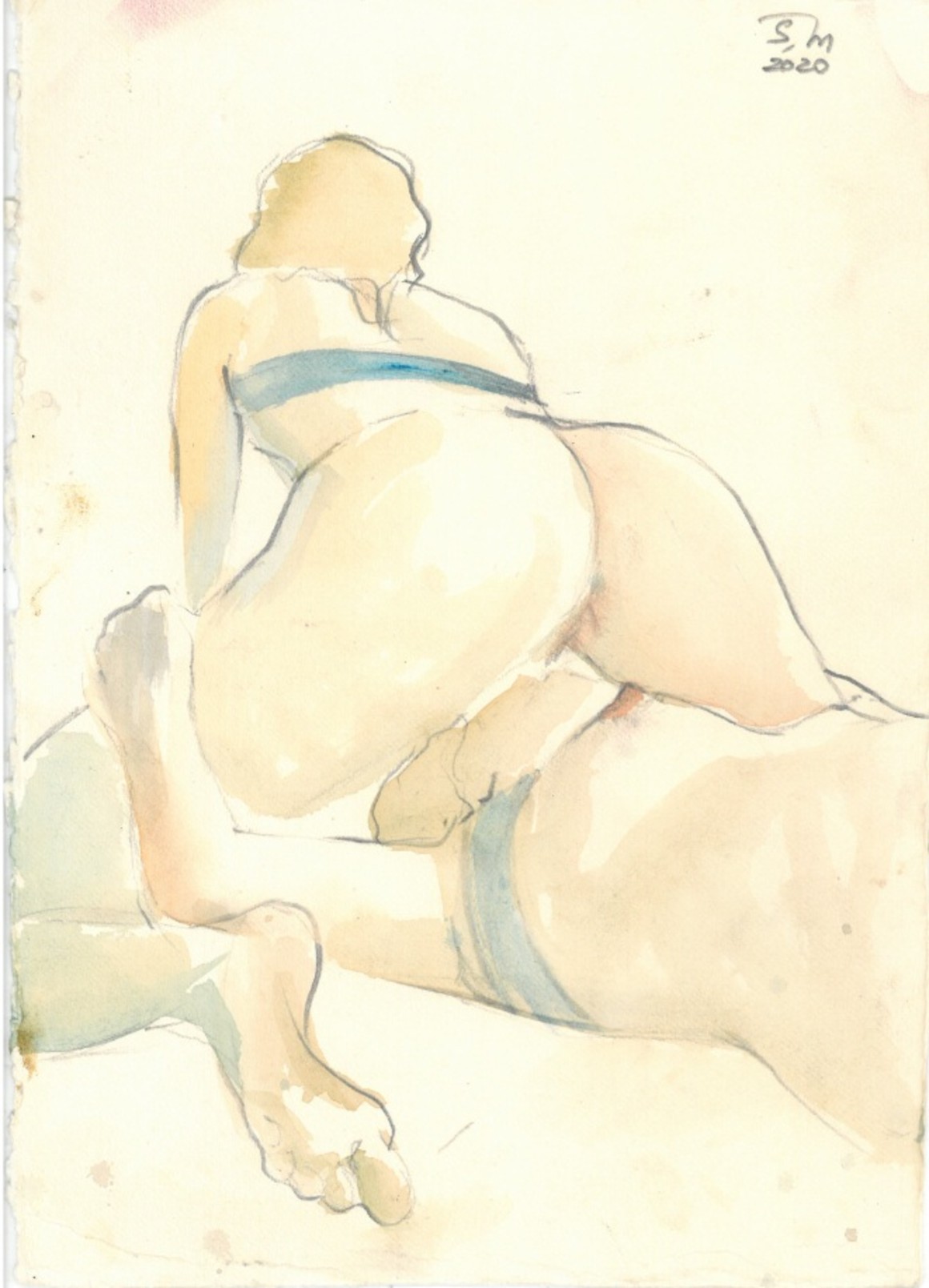
    Artwork by Sneganam

  • woman with BDSM hand cuffs

    How to Bring BDSM into the Bedroom

    Nonsense: The negative perception of BDSM in the bedroom Don’t let the acronym intimidate you. BDSM, widely stigmatized in films, books, media, and pornography, often portrayed as abusive and inflicted...

    Nonsense: The negative perception of BDSM in the bedroom

    Don’t let the acronym intimidate you. BDSM, widely stigmatized in films, books, media, and pornography, often portrayed as abusive and inflicted on unwilling participants, is not the sort of kinky practice that violently endangers individuals when practiced within a caring relationship and attentively enjoyed. The acronym BDSM stands for bondage, discipline, sadism and masochism. These terms definitely raise the eyebrows of many, however, in practice, these terms are often very different than how they are perceived. The practice of tying up a partner in any way is an act of bondage; the act of following directions is an act of discipline. Being swatted with a crop (or anything) lightly on the ass (or anywhere else, for that matter) can also be considered an act of sadism and masochism.

    interior design guide to bdsm
    Valeriy by Naked P’NK

    In the mainstream media, terms like these are often interpreted in the harshest possible form and, for the uneducated, do not normally elicit images of lightly slapping crops on a moaning woman’s (or man’s) skin, or tying a partner up with silk stockings. The terms for BDSM practices vary and are utilized in different ways. As in the “vanilla” world, every relationship is different: Those practicing BDSM have their own unique desires and relationship styles. One thing is absolutely essential for a couple to have a successful and pleasurable BDSM experience with one another: Absolute mutual consent and desire for the experience.

    BDSM terminology: What does BDSM really mean?

    An overview of BDSM terminology includes D/s, for dominance and submission, B&D, for bondage and discipline, and S&M for sadomasochism. The small “s” in D/s is usually intended to symbolize the desire of the submissive to submit, allowing themselves to be perceived as “smaller” than their dominant partner. Among safe, sane, and consensual BDSM practitioners, it is widely understood that there is no one “right” way to practice BDSM. While some circles of the BDSM community may practice similar rules and styles, there are plenty of partners who do not get involved in their local BDSM community or dungeon and prefer to keep their practice and relationships private.

    No Title No42 by Sukida

    Interested in trying BDSM?

    It can be a nerve-wracking business for those interested in trying any BDSM practice to introduce it to their partner, for fear of being perceived in a negative way or as a deviant. This is a valid concern considering how BDSM is typically perceived by the public in general. A common suggestion among experienced practitioners is to not approach a partner with terms like the above, but instead to make gradual and comfortable introductions to build on. Communication and openness is also crucial. For example, one interested in experiencing nipple clamps could begin with asking their partner for light pinching with the fingers, and over a series of encounters, request a gradual increase in pressure, all the while being open and attentive to their partners comfort level with the activity. Those interested in trying erotic spanking with their partner should begin with an open, honest, and kind approach, expressing interest and sweetly asking permission in a passionate moment to try a few swats lightly. Warming up the gluteal area with light spanking can be exciting and arousing for both involved. Light play can graduate into more intense practices, like crops, caning, or whips, depending on your curiosity level.

    BDSM art
    No Title No14 by Sukida

    Safe, sane, and consensual BDSM

    Whips may sound extreme to some, but there are plenty of practitioners who enjoy the eroticism of receiving sensual and erotic stimulation from the sting of a whip. As with any tool, however, it is absolutely essential to understand how to use it before unleashing gleeful strokes on an eager partner and severely harming them. While there is a danger of physically harming someone, there is equal opportunity for emotional harm. One partner may thoroughly enjoy dirty talk that others may perceive as degrading (terms like whore, slut, etc.). Another partner may strongly desire what is called “aftercare” immediately following a “scene” or experience, and if that tenderness and attentiveness are not provided, there can be emotional ramifications and wounds. The key to understanding what any partner wants or is comfortable within any relationship, BDSM practice or no, all lie within the same word: communication. It is entirely possible to have a passionate, fun, and erotic experience within a relationship, however, if needs, dislikes, and desires are not crisply and clearly expressed before any activities take place of the BDSM nature, it can be like playing a game of relationship roulette.

    No Title no18 by Sukida

    For further information on how to safely practice BDSM activities, have a look at SM101 by Jay Wiseman, and/or get in touch with your local BDSM community to seek out advice from experienced and trustworthy practitioners. Your local community is usually easily found online and located within your nearest prominent city.


  • Patrick Palmer 5924

    How To Buy One of a Kind Art (Without Breaking The Bank)

    There’s no denying it, truly impressive one-of-a-kind art comes with a price tag. That doesn’t mean you have to spend a fortune to own one. Whether you’re an interior decorator looking to find a...

    There’s no denying it, truly impressive one-of-a-kind art comes with a price tag. That doesn’t mean you have to spend a fortune to own one. Whether you’re an interior decorator looking to find a piece that fits your budget or looking for a piece of your own without breaking the budget, we’re here to help.

    The Benefits (& Challenges) of One-of-a-Kind Art

    One-of-a-kind art is, by definition, unique. In and of itself, this is a huge part of the appeal. It makes a piece inherently more interesting, transforming your decor into a conversation piece. As well, it helps decorations speak to your interests and personality.

    Patrick Palmer 5924
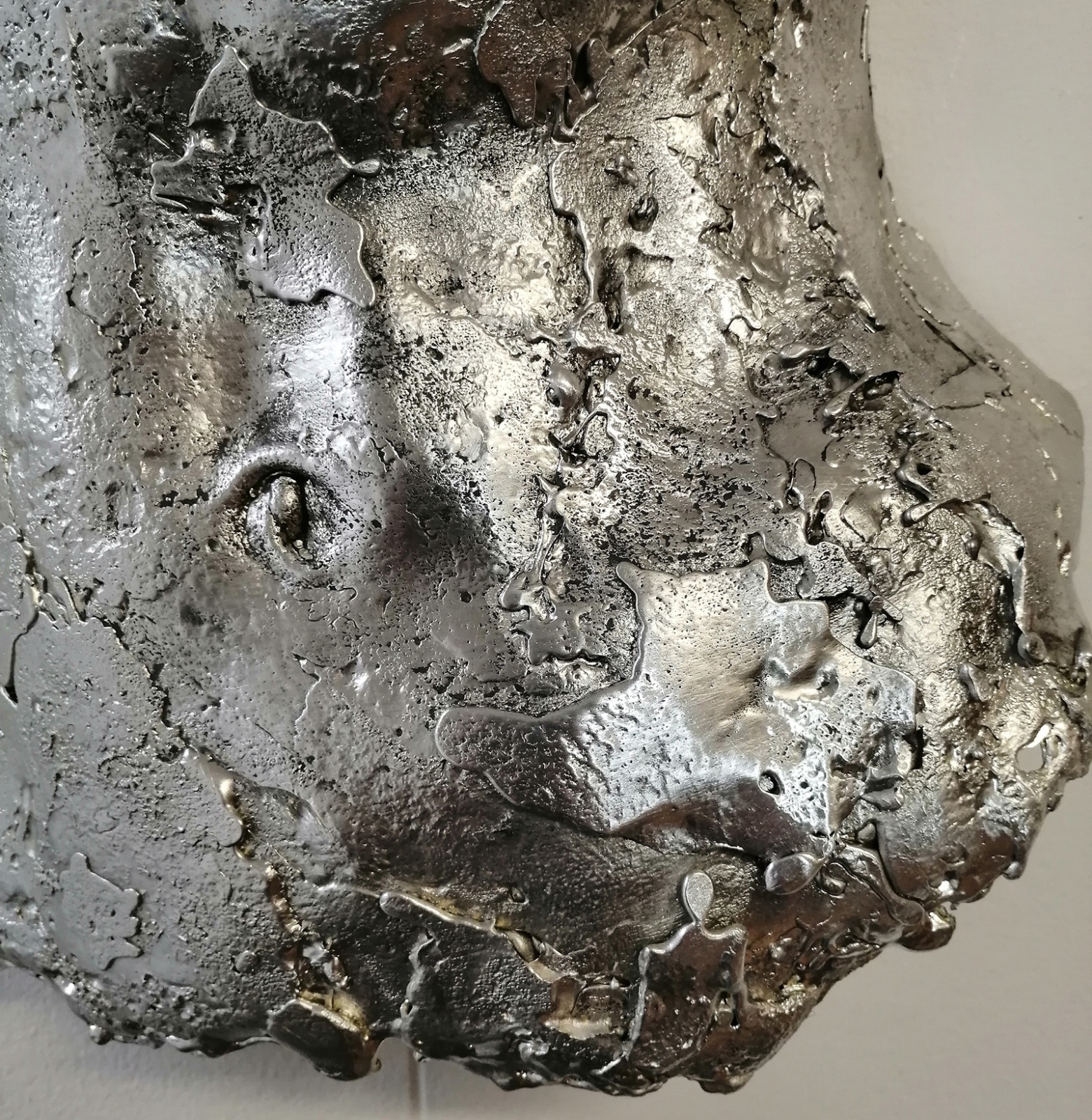
    HEART OF STEEL | PATRICK PALMER

    Original artwork has a quality all its own. It has a feeling and emotion to it as if the artist is channeling themselves directly into the piece. Unlike a copy, it has all the heart and inspiration the artist pours into their work. It’s a quality that’s difficult to quantify but easy to feel.

    Being a unique piece makes it all the more desirable. One-of-a-kind art prints are often sought after and prized by collectors. This demand makes these pieces far more valuable when investing in art.

    Of course, the same scarcity that makes them so valuable and the pride of art collectors makes them that much more difficult to obtain. The two biggest challenges with one-of-a-kind artwork are:

    1. 1. Availability
    2. 2. Price
    Julia Grayson 6927
    Artist: Julia Grayson

    In this article, we provide inside tips on how to find accessible and affordable one-of-a-kind art that you love.

    Ease Of Access: Online Art Galleries

    We are living in a golden age of art accessibility. With the internet taking over how we discover, purchase and experience art it’s easier to discover artists and find pieces that match your tastes. No longer are you bound to look for art only at local galleries and exhibitions.

    The advent of online art galleries has not only made it easier to find amazing artwork from around the world but also to find more niche genres. In the past, finding niche prints like one-of-a-kind erotica and nude art meant having to be in the know.

    Shulman 7315
    Nude #655 by Shulman

    Now it’s easier than ever to search for any genre of art. With our nude and erotic art gallery, people don’t need to be lifestyle enthusiasts or “plugged-in” to the art community.

    Online galleries provide access to your favorite genres and art styles, right at your fingertips. This makes them an ideal solution for finding one-of-a-kind art.

    Look For Emerging Artists

    The cost of art is, generally, tied directly to the name of the artist. Once artists are able to establish their name the price of their art skyrockets. If you want to buy one-of-a-kind art without breaking the bank, an established artist isn’t the ideal choice.

    Erotic Painter
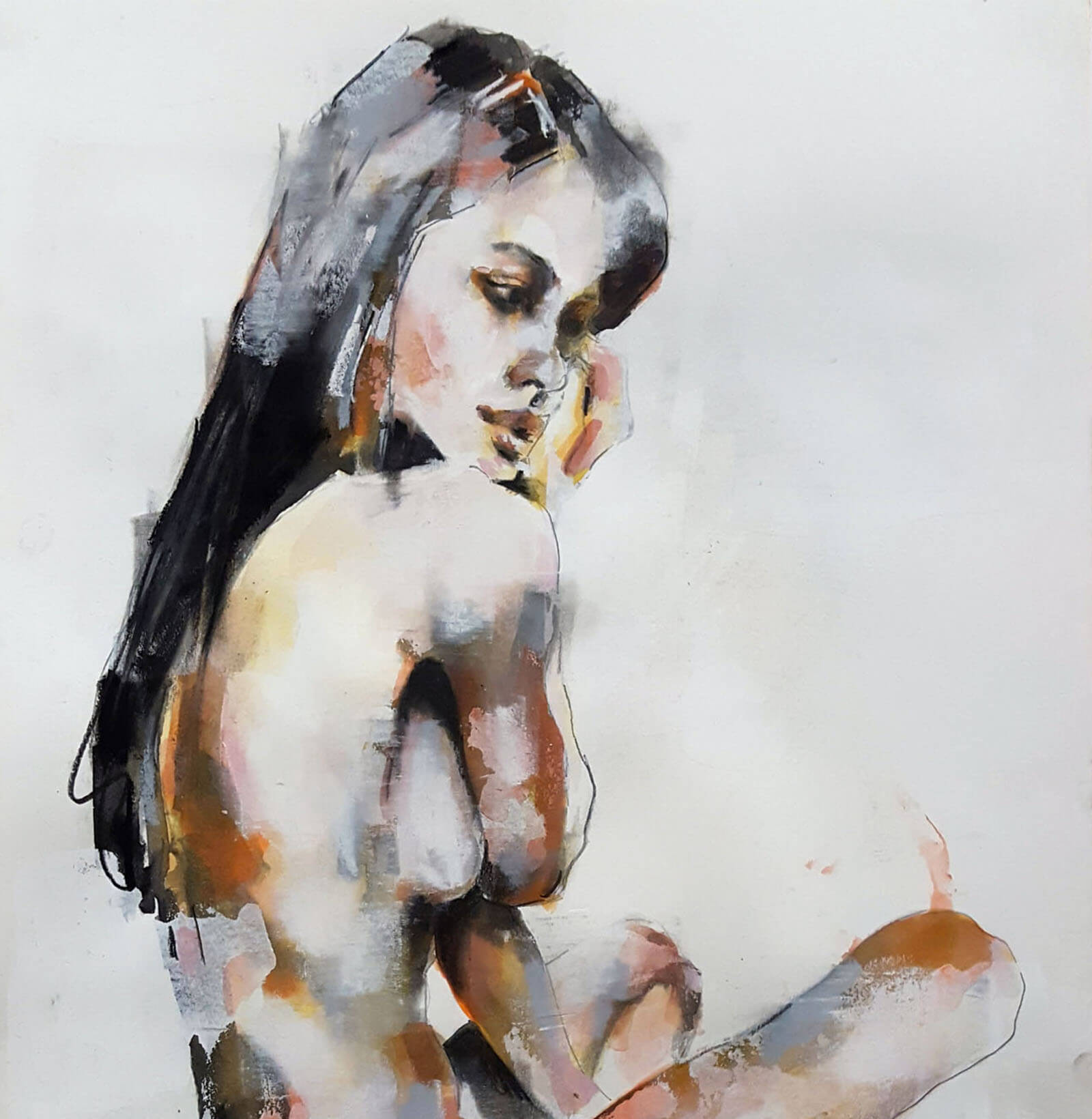
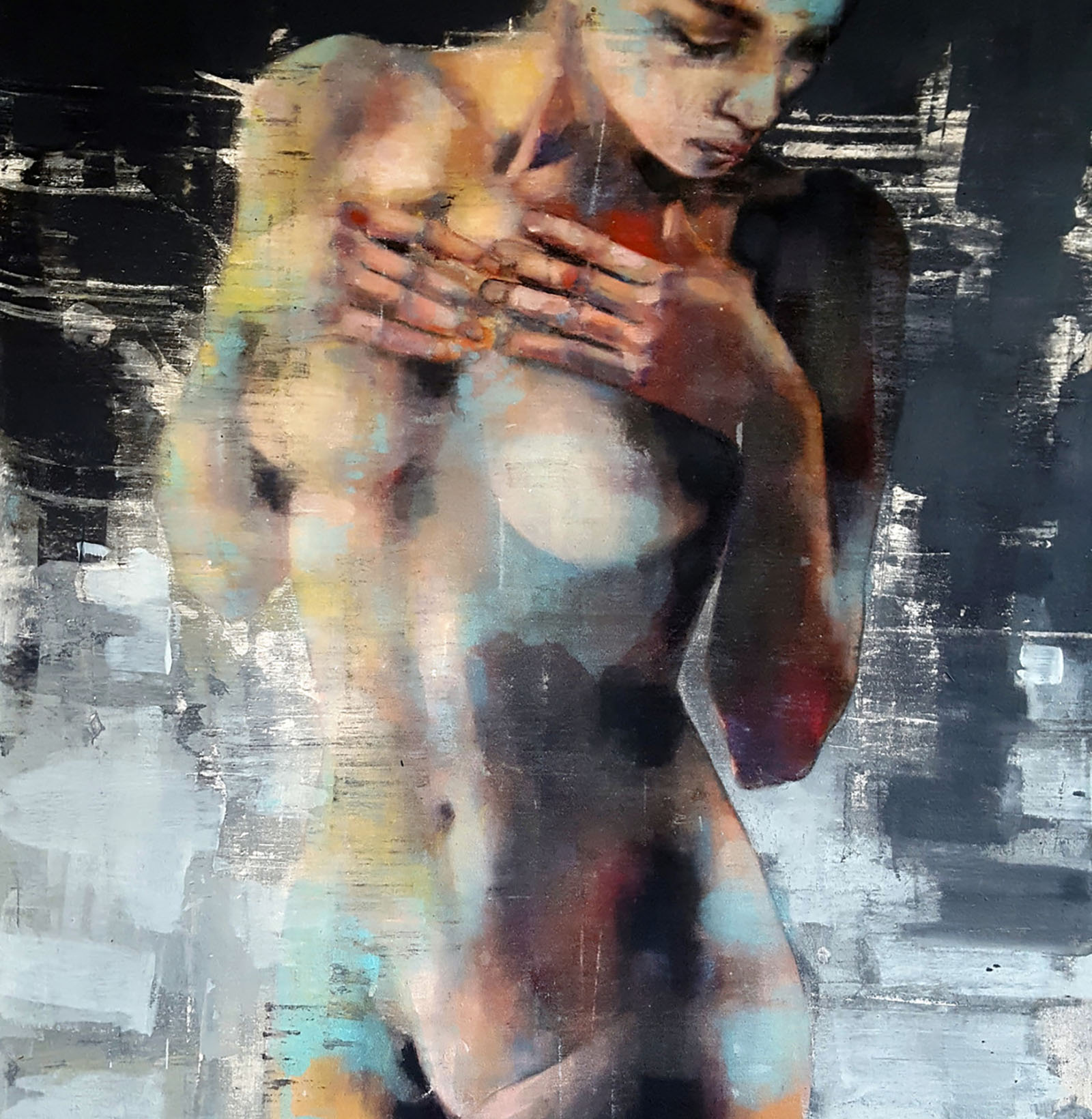
    10-1-18 Seated figure | Thomas Donaldson

    Instead, you want to seek out emerging artists. Getting one-of-a-kind art from an emerging artist isn’t just less expensive, it’s also the best investment opportunity. On top of getting art at the best price, when the artist becomes well known, the value of the art soars well above the purchase price.

    Of course, this leads to the question, how do you spot an emerging artist who is likely to grow? Here are a few pointers you can use:

    1. Look for art that you like

    The best way to feel good about an art investment is to find a piece you love. Even if you’re buying solely as an investment, it can take time for an emerging artist to hit their stride. So it’s worth having something you want to look at. Besides, with so much art available finding something you like is a good way to narrow down the options.

    Rick 7237
    From Beneath You by Rick

    As well, your support will help this artist grow. So all the more reason to buy from an artist who you’d like to see more work from.

    2. Research the artist

    The first thing to do when you pick a piece is to Google the artist. While you want someone unknown enough to keep the prices lower, you also want someone who has a bit of momentum.

    Good signs are if the artist has a PR agent and is featured in galleries. That shows that the industry has some faith in this artist. As well, you want to find someone who had been featured in some publications. The sweet spot is usually one or two publications. It’s enough to get their name out and give the push they need, but not enough to raise their pricing significantly.

    3. Research the models

    This is especially valuable for photographers. The models an artist works with are a good signifier of their standing and performance. As well, a good model adds to the value, recognition, and promotion of the artist.

    Todd Monk 4730
    Closer by Todd Monk

    As well, it speaks to the quality of the artist. Top models will only work with an artist they respect and who can get the best work out of their poses. A bad picture is as bad for the model as it is for the photographer.

    An artist who is beginning to work with well-known models is likely on the verge of breaking out.

    The Size of The Art Work

    Size can have an impact on the cost of art. Generally, for print and canvas, the larger the piece the more it costs. With statues, the size is not necessarily reflected in the price. The size of the statue is whatever size the artist thought might work best.

    One Of A Kind Sculpture
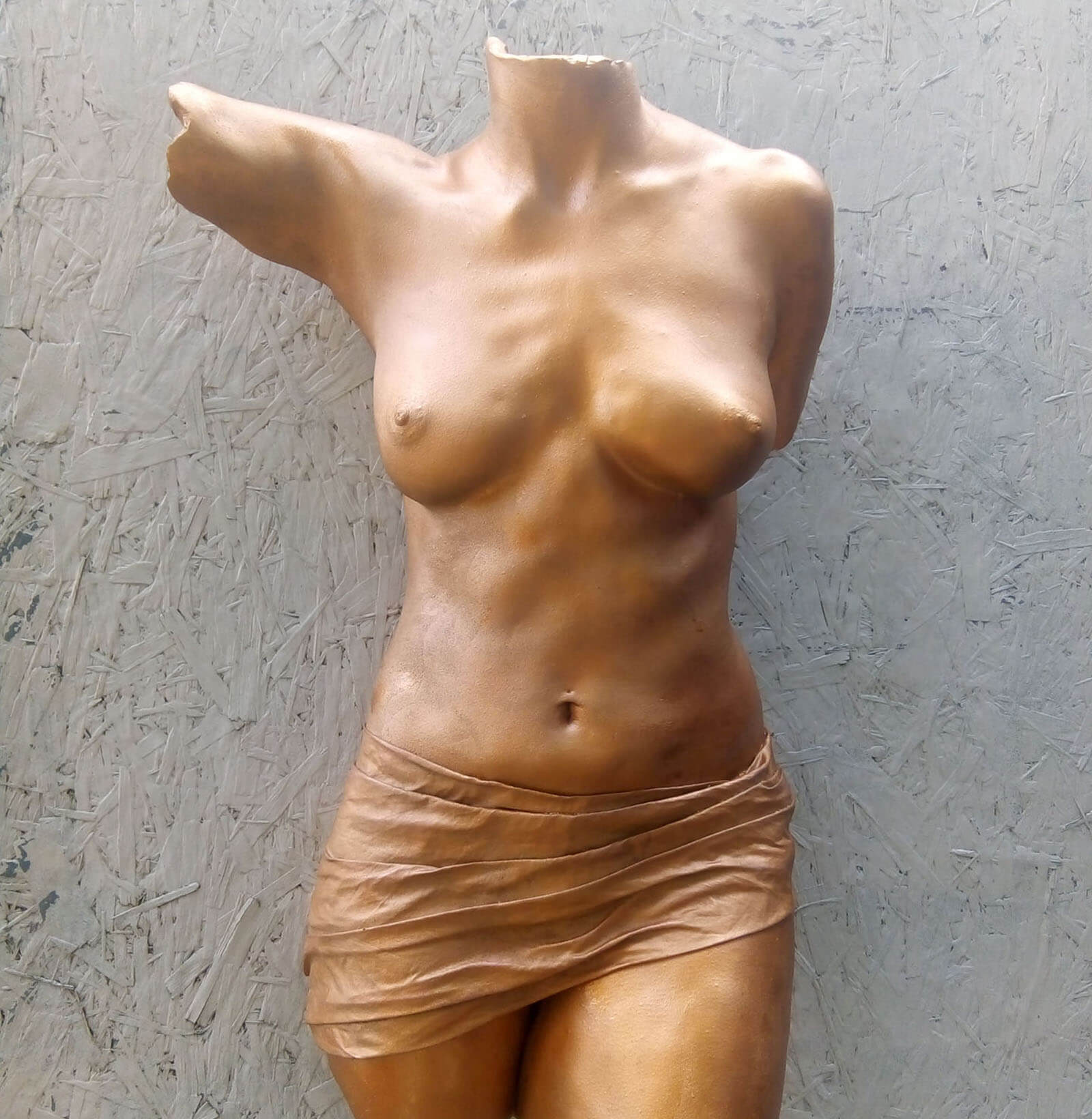
    Cyprus – Semi Nude | Anthony Jeffries

    For print, originals are often large. But that depends on the preference of the artist. Artists who produce originals on smaller canvases may have a lower price than large or oversized photos and paintings.

    What you should keep in mind most of all when choosing the art size is where you want to put it. An oversized piece doesn’t make sense if there’s no space for it. Just as a smaller piece isn’t effective when you’re trying to decorate a large area. The space where an oversized painting is ideal will likely require multiple pieces in various other sizes.

    Consider Limited Edition Art

    For the budget-conscious art-buyer one-of-a-kind isn’t always a feasible option. That doesn’t mean you need to submit to mass-produced prints. It’s worth taking a look at limited edition art.

    Erotic Digital Art
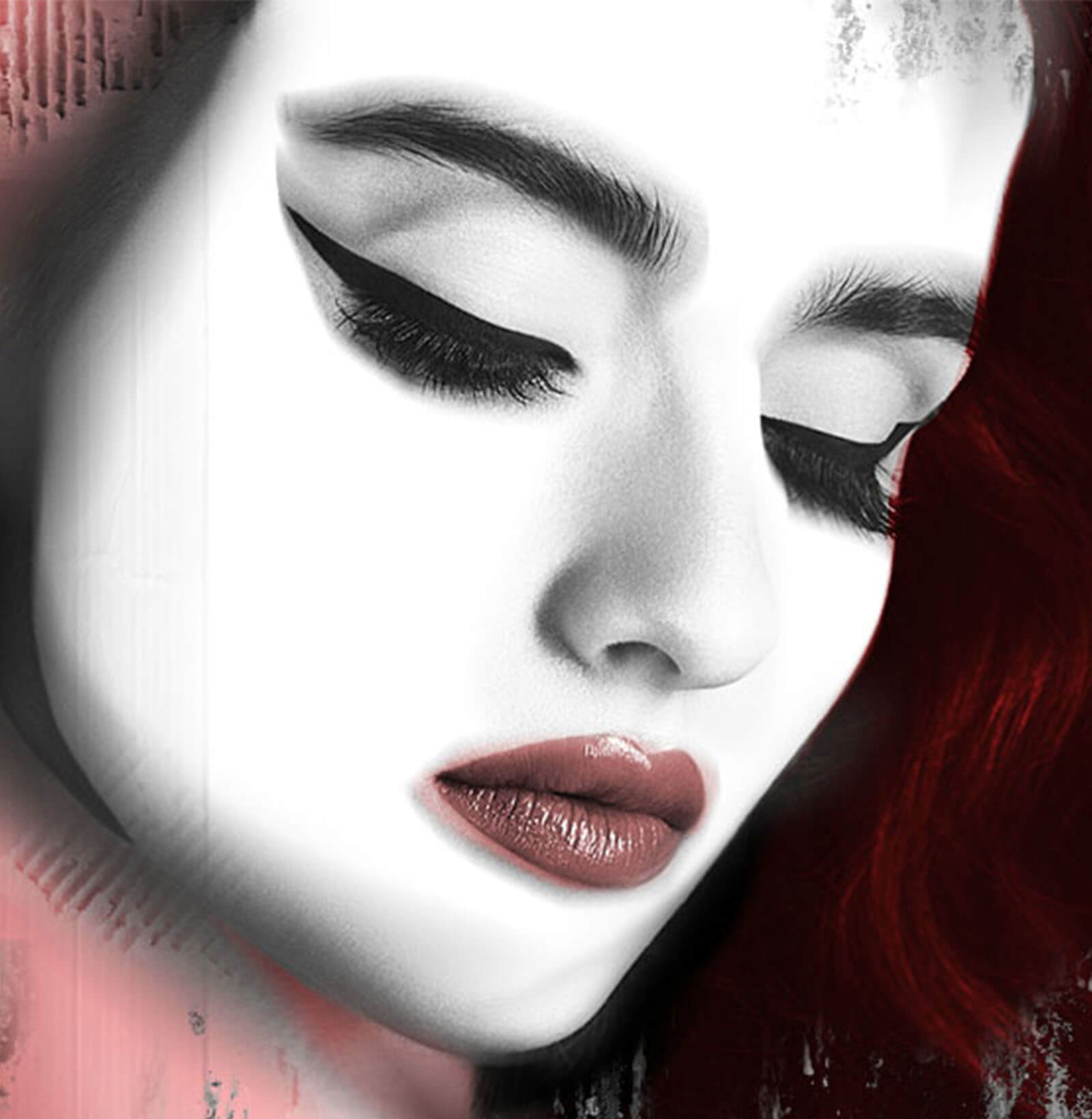
    Tranquilita | Vito Piacente

    Limited edition art prints have many similar value points to one-of-a-kind art. They’re still high-quality and fairly unique pieces that hold value as an investment.

    For more information, read our Guide to Shopping for Limited Edition Art.

  • Art Basel Face Sculpture

    Sculptures vs Art Prints

    When decorating with sculptures vs art prints, there are many differences and similarities you will need to consider. But first, are you decorating the room around the art? Or are you decorating your room...

    When decorating with sculptures vs art prints, there are many differences and similarities you will need to consider. But first, are you decorating the room around the art? Or are you decorating your room with art?

    “The medium is the message.” – Marshall McLuhan

    Marshall McLuhan’s words ring true in the art world as they do in popular media. Different types of artwork carry different messages, meanings and have a different impact on decor.

    Decorating With Sculptures

    A sculpture makes a statement. While you can buy paintings and sculptures in the same category, such as erotic art, having a sculpture says something different than art prints or paintings. As such, you need to approach decorating witch sculptures differently.

    A sculpture will often draw attention and be a focal point in a room, or at least in its area. It compels the viewer to examine and appreciate it from different angles. As such, it’s nice to have it mounted in such a way that it is visible from all, or multiple, sides.

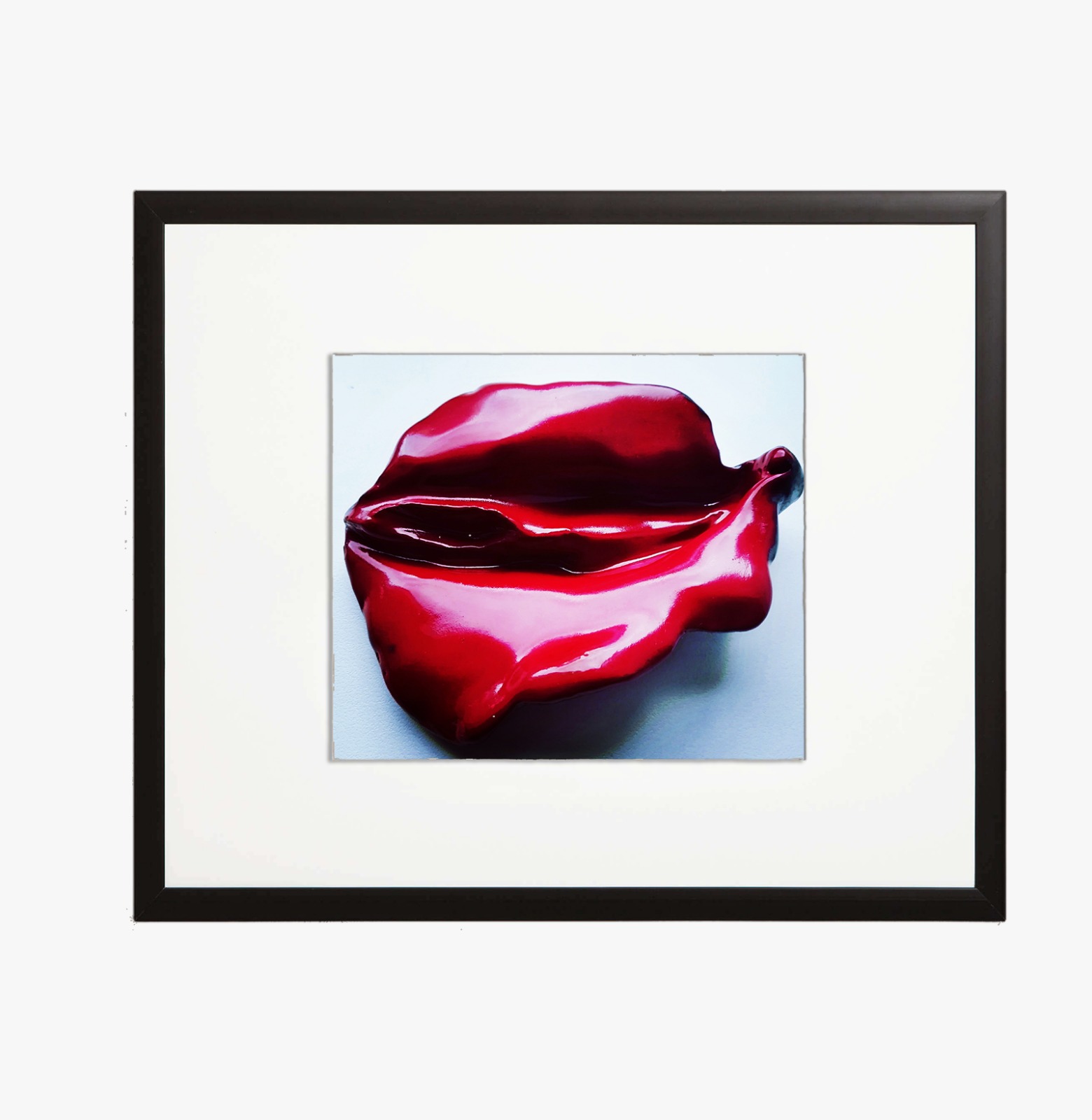
    Sculpture Red Velvet Vulva 7320
    Artist: AMÍE N. MILTON

    A sculpture works in a different dimension and serves to bring a room to life. Whether free-standing, wall-mounted or sitting on a table or shelf, they bring a dynamic element to space.

    Often, people will use large sculptural art as the focal point in the room. However, any truly interesting sculpture will command attention no matter where you put it. They’re a great addition to any part of a room that could use some livening up.

    Decorating With Art Prints

    Photographs, paintings, and illustrations are just a few examples of popular art prints. Each has its own unique considerations for home decor, but they also follow some similar rules.

    Sculpture-Emergence-4510
    Photographer: Roger Michel Fichmann

    Most prints are wall-mounted, but they can vary in display. Frames can be ornate, decorative, simple, or have no frame at all. Generally, an art print will work with the existing colors and themes found in the room.

    Similarities Between Decorating With Art Prints & Sculptures

    One of the biggest similarities between decorating with prints and sculptures is the need to tie them in with the design of the room. This can mean that you choose your art to either flow with the colors of the room or completely stand out. In a neutral-colored room, the artwork may be chosen to purposefully stand out, with bold colors and imagery.

    Sculpture Ruslana 7395
    Artist: ANTHONY JEFFRIES

    Another similarity is to tie the artwork into the thematic design of the room through complementing or contrasting themes. A contrasting theme will make the art stand out, whereas a complementary theme will make the room fit together.

    Differences Between Decorating With Art Prints & Sculptures

    Before Investing in Art, understand the space where it will live. The differences in decorating with prints vs sculptures have to do with dimensions. Sculptures have 3 dimensions, where prints are comparatively flat. As a result, their placing needs to be considered differently.

    Free-standing or wall-mounted sculptures should be placed somewhere where they will not obstruct movement.

    Another consideration for sculptures is their materials. A white marble sculpture, for instance, may not look best if it will be placed on a white marble countertop. However, if placed in a room with marble columns or installments, it will fit in nicely.

    As well, if you have a statue, people will touch it. Make sure it is placed somewhere safe and stable. Among other forms of art, sculptures have the unique ability to be able to convey meaning through physical interaction.

    Above all, when you are investing in a piece of art, it should be something that draws you back to it.

  • Thomas Donaldson 6849

    Investing In Art

    You love art. You're interested in investing in art. Perhaps you have diverse taste, or a particular type you prefer above all others. Ideal affordable artwork includes photography in editions and digital...

    You love art. You’re interested in investing in art. Perhaps you have diverse taste, or a particular type you prefer above all others. Ideal affordable artwork includes photography in editions and digital works. In fact, many art critics and curators of emerging contemporary art have pointed to the increasing currency of digital photography in the creative field in terms of its potential for innovation and new ideas.

    Thomas Donaldson 6849
    4-5-19 FADE TO GREY by Thomas Donaldson

    As well, erotic art has increasing cache these days, lead by advocates of the visual and socio-political value of this genre, The World Museum of Sex, The Tom of Finland Foundation, MOSex, New York, as well as festivals such as the Seattle Erotic Art Festival and daring new gallery shows like Hotter Than July: Eat Your Art Out.

    A wonderful way to begin your collection, this type of flatwork is easy to care for, frame and ship and as such does not have excessive additional costs. A testament to the driving force of the individual collector’s taste and vision, private photography collections have become some of the best known and most coveted loans for high caliber museum shows.

    Let passion be your guide to collecting or investing in art.

    Paperbag 7194
    PAPERBAG {REBORN] # 071/F

    Many experts recommend that collectors purchase artwork because they have a passion for the picture or object, and will be pleased if they have a return should they decide to sell the work, but for the most part, feel privileged to own the artwork. As well, it is very exciting to choose work from a curated selection from an online art dealer, knowing you have the very best presented to you.

    The art market, some technical details.

    The pricing and evaluation of an individual piece of art is linked to the market value of similar works by the artist or related artists and appreciation or depreciation reflected in historical sales. All these factors, in turn, depend on the fluctuation of taste as well as what is being offered within the art market at the time.

    One Of A Kind Painting
    The Return of Bettie Page | Corné Akkers

    Classification of art as an asset.

    Technically, art is considered an “alternative investment or asset” by financial advisors and is not regulated in the United States by the FSCS. Generally, art is not liquid, in the sense, one can sell art at any time like one can sell equities, or property to make income. Art has a lower compound return than other alternative assets like wine and/or gold. While the expectation, in general, is that like a stock, you purchase the artwork for a lower value and expect to sell it later at a greater price, in fact, much like the stock market, this is not entirely predictable.

    Long term monetary value artists.

    Aranka Israni 5650
    Support by Aranka Israni

    Certain artists will always have lasting monetary value, unlikely to depreciate unless there is temporary flooding of the market with similar works because, for example, the artist’s family is selling limited edition copy prints, etc. The more secure or stable investments have tended to be early 20th-century modern artists modernism, such as Pablo Picasso. This statement holds true upon examination of auction records.

    Purchasing historical artwork.

    While the art world is not known for transparency, before investing in art, we encourage you to ask for such information upfront. A reputable dealer will not hesitate to provide you with value, condition reports, exhibit history, edition number if applicable, an artist’s biography, authentication documents and/or examination reports by the artist’s foundation if applicable, and comparable sales reports. Artnet has pushed for such transparency and Christie’s and Sotheby’s and other prominent auction houses are held to these standards as well.

    CHIARA #8 | NUDES BY PIETRO

    Purchasing contemporary artwork.

    It’s a great idea to purchase work from emerging and mid-career artists whose work is affordable, and yet at the same time, engaged in contemporary artistic practice. At the forefront of artistic invention, digital photography is considered a relatively new and continually evolving genre and was recently the subject of a wonderful exhibit at the prestigious American institution, The Metropolitan Museum, New York.

    Alice Zilberberg 5560
    ABOVE WATER | ALICE ZILBERBERG

    Some issues to consider before investing in art.

    The joy and privilege of purchasing work from a living artist or an artist’s estate is that you can communicate directly with the artist or through his dealer or estate. You are part of a creative world and this is in itself, what art collecting is about.

    Certainly, we are well aware, that famous contemporary artists such as Jeff Koons have garnered astronomical prices. However, it can be said that such work, while fascinating, does not have the same historical and critical status as iconic early 20th century masters and as such there is no guarantee in terms of future value.

    Before investing in art, ask for information about the artist’s ideas, learn more about the process, enrich the experience of owning a piece of creativity, take notes and keep all documentation. It may be of interest to a curator or art lover or become valuable authentication records in the future.

    Todd Monk 4726
    Wet and Wild by Todd Monk

    Investing in art is best guided by the purchaser’s passion or love for a special piece of art first and foremost, followed by an appraisal of the quality and condition of the piece, and the proper credentials, e.g. proper provenance (history of ownership), documentation, and certificates of authentication either from the dealer, auction house, gallery or artist foundation.

    Always be aware of any gaps in ownership during the WWII years as a work could potentially have looting issues, and one wants to avoid this at all costs, as it puts you at risk for lawsuits, ethical issues, etc. If there is a gap, you should hire a qualified provenance researcher or contact the Art Loss Registry based in London.

    CARLOTTA CHAMPAGNE BEACH TREE | CAM ATTREE

    Art Provocateur is the premier online gallery of erotic art prints.  Browse our gallery of limited edition and one-of-a-kind artwork. We have the largest selection of provocative nude art from both established artists and rising stars.

  • Ben Horton 5082

    How To Decorate With Nude Art

    When beginning the decorating process or reassessing the décor of a home, it can be more than a little intimidating; especially if your goal is to decorate with nude art, and even more so in the case of...

    When beginning the decorating process or reassessing the décor of a home, it can be more than a little intimidating; especially if your goal is to decorate with nude art, and even more so in the case of choosing decor for an office or place of business. For those with a taste for provocative art, a unique decorating challenge presents itself in this endeavor. It is not an altogether different challenge than decorating with non-nude art, as many of the same “rules” apply in both cases. Therefore, those flirting with the idea of decorating with nude or provocative art have nothing to be concerned about; on the contrary, they should go with their instincts. Provocative art carries an intriguing allure that most people find irresistible. The mystery and uniqueness of such pieces display a boldness that captures interest. They can be very striking and either command attention or subtly invite it. Guests of a place of business or a home displaying sexy or nude art will notice, and impressions are made as a result. The question then is how to decorate with nude art in an elegant and appealing way.

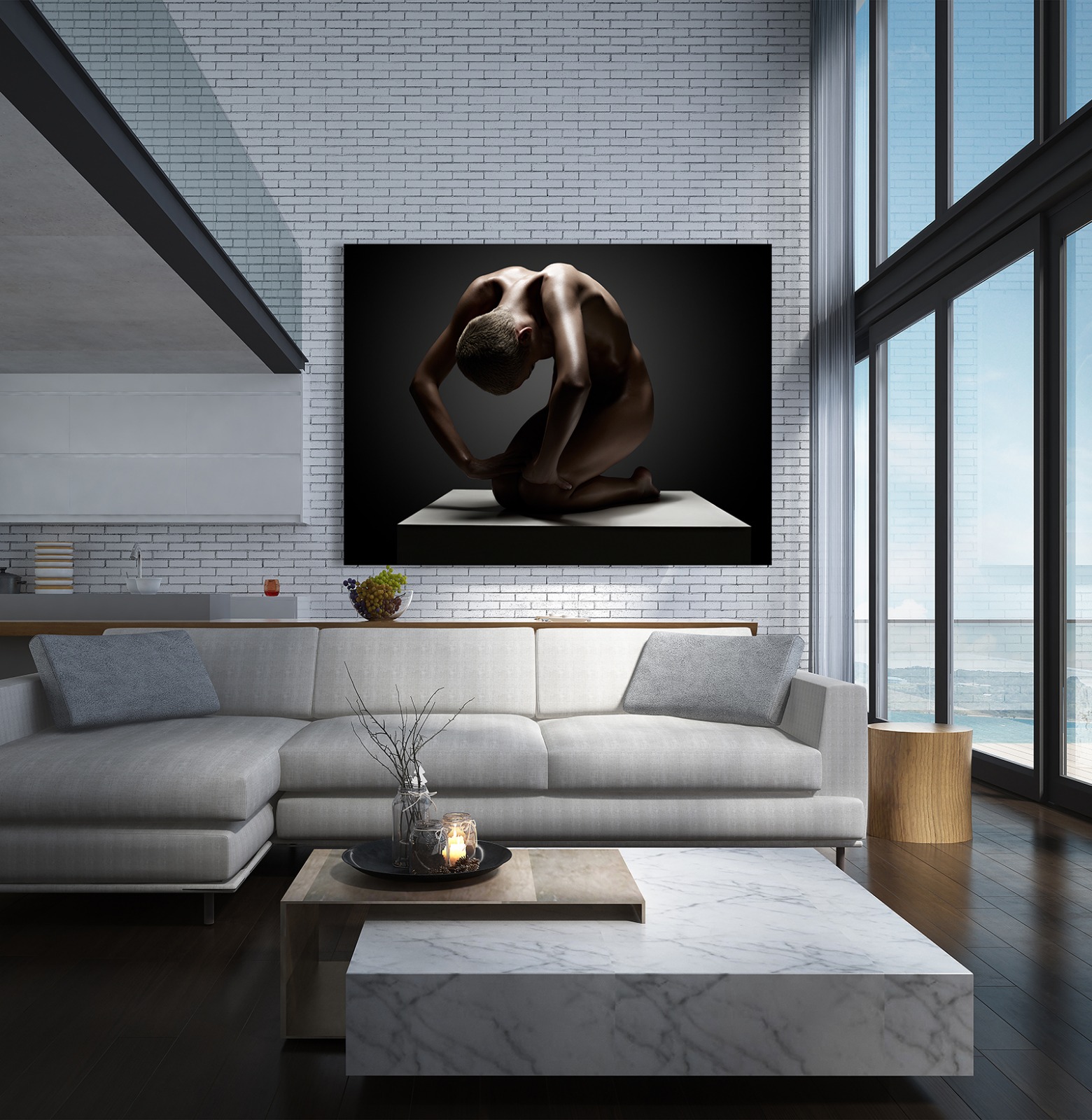
    P5317-living-room-wall-art
    Water Walker by Craig Colvin

    Decorating with nude art is not entirely different than decorating with any other form of art. The goal and focus are to place pieces in an order of structure and color that is pleasing and inviting. When choosing to decorate with nude art pieces, one must keep in mind the color and tone they are seeking for their environment. Is color a factor when choosing, or is it practical to skip being concerned about wall color and choose black and white photography? The choice of color in a room, in any circumstance, is the main factor that determines an individual style and selection. It sets the tone of what people will experience when they spend any length of time there. Another factor to consider is the concept of feng shui, the ancient Chinese method of arranging the order in a space to create a positive flow of energy. Considering the scientific studies that back the concept of energy, the practice of feng shui is worth considering when decorating with nude art. Common “laws” of feng shui arrangement include utilizing uplifting forms of artwork, providing plenty of natural light, pairing together pieces appropriately (framed pieces side by side), accent lights, and avoiding any artwork that expresses estrangement or violence.

    Decorating with nude art can liberalize an environment for lovemaking.

    The decorating opportunities for nude art are broad, especially when appropriately applied in place of business or home. The bedroom, of course, is one of the best places to decorate with nude art or erotica, for obvious reasons. It can create a liberalizing environment for lovemaking, especially when the provocative art of sexy nudes are part of the décor. The combination of passionate colors (such as rich roses and warm chocolates) with provocative art, can promote a passionate, erotic playground. Likewise, the combination of nude art with muted tones such as pale violet, sea green, or sand can promote a peaceful and cool or warm space for lazy enjoyment.

    P5112-bedroom-wall-art
    Bodyscape by Anton Belovodchenko

    Decorating other areas of a home can be a puzzling assignment, as the environment outside the bedroom is exposed to all guests and the intimacy level here is lowered. In these areas, it is important to choose pieces that promote the comfort, enjoyment, and even curiosity of guests. It is possible to decorate tastefully with provocative art, in a way that promotes conversation, camaraderie and entertains company. Subtlety can be powerful. A balanced blend of erotic art among other art styles and colors is conversational, pleasant, and sophisticated.

    This concept applies to places of business, as well. The question of the appropriateness of using provocative décor in a place of business may have some raising their eyebrows, but depending on the pieces displayed, decorating with nude art in a business setting (depending on the setting desired) can impact a business environment in positive ways, also. Of course, it depends on the business and which style or image that business would like to project.

    decorate-with-erotic-art-2
    Untitled by Alina Lebedeva

    The pieces chosen are important factors when decorating with nude art. This pertains to artist, tone, and style. A piece created by a particular artist will say something about you, the owner, as an individual. So, examine the artist. Read their bio, and learn a little about them. The tone of a piece is also important. Don’t settle for less than what you want to portray. If you are trying to display passion, pay attention to the tone of the piece. A portrayal of naughtiness, innocence, or a simple but striking woman’s form will each speak in their own tones. The styling is also important. Be sure that the textures within the artwork with the textures within the room. Eclecticism does work, but be sure to fully understand eclecticism before attempting to put it into practice.

    P4999-walk-in-closet-wall-art
    Dara by Craig Morey

    Those venturing into the exciting world of collecting nude art will best be served to carefully choose pieces that speak to them in a unique way. Whether for personal enjoyment or displayed for all to see, a personal collection of provocative décor will engage guests and likely get tongues wagging.

  • P5112-bedroom-wall-art

    Guide to Shopping for Limited Edition Art

    You don’t need to be an art aficionado to own limited edition art. Collectors and interior designers alike agree that shopping for limited edition art is your best option whether you’re buying a...

    You don’t need to be an art aficionado to own limited edition art. Collectors and interior designers alike agree that shopping for limited edition art is your best option whether you’re buying a single piece or growing a collection.

    There are a number of benefits to buying limited edition art that goes beyond exclusivity. They also offer higher-quality prints and are better investments than mass-produced prints. On top of all this, they also offer a more unique look. Mass-produced art may have mass appeal, but it doesn’t really say anything unique about you or your home.

    limited edition art
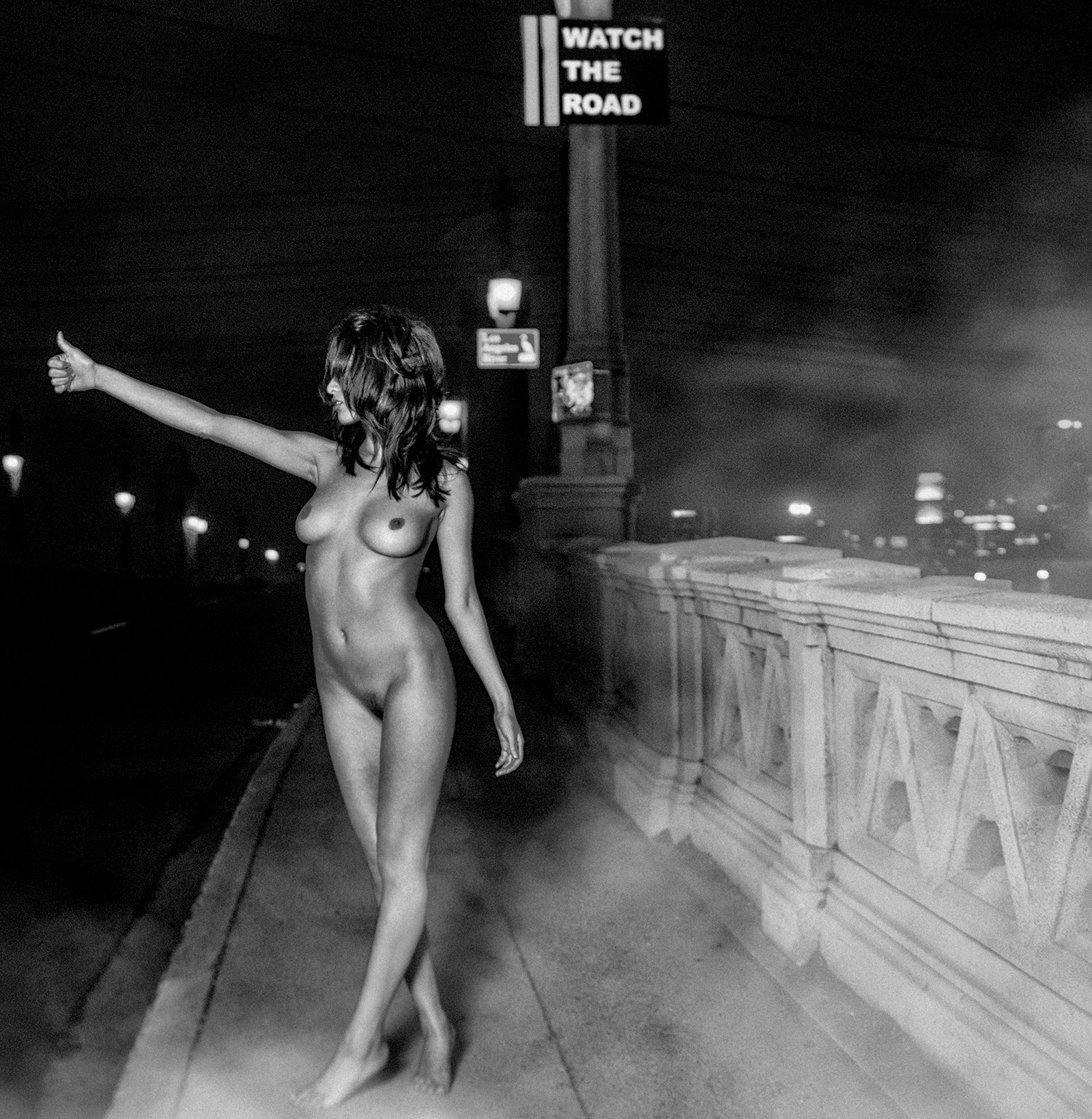
    WATCH THE ROAD BY NAI SIRROM

    This guide can help anyone from professional decorators to first-time buyers learn what to look for when shopping for limited edition artwork.

    Size of Edition

    The size of the edition is the number of prints available for a piece, not the actual dimensions of the print. So if, for example, an edition is limited to 200 prints, the size of the edition is 200. The edition size is unchanging.

    As a rule, the more limited the edition in number of prints, the greater its relative value. This also helps to increase the art’s appreciation. Over time, other prints may become damaged, lost, or simply owned by people who are unwilling to sell. These factors make the piece rarer and difficult to find. As a result, the value increases.

    limited edition art print
    BEACH WONDER BY STEPHEN PERRY

    The dimensions of the print can come into play in the edition size. Often, artists will offer smaller prints in greater edition sizes than larger prints. This way, more people have access to their art. But, people who buy big prints still get a unique, more exclusive piece of art.

    Proofs

    A proofis an impression made by the printer to ensure the print is ready for production. The artist’s proofs will often have notes or even sketches on them with any necessary changes for the print.

    Although proofs were initially intended as a quality assurance device before printing a full edition, they have since become desirable pieces of art.

    limited edition print
    NATALIE FLOATING IN BACALAR BY BENHORTON

    An artist’s proof is not included in the size of an edition. Due to their scarcity and the uniqueness of having the artist’s notes on the artwork, artist’s proofs can have greater value than a completed print.

    A proof isn’t for everyone though. Although a proof can yield a higher investment, many people prefer to have the completed art print, designed as the artist intended. This is especially true if the art is intended to be displayed in the home. Generally, proofs are most prized amongst collectors.

    Look For Rising Talents

    Whether you want to get the most for your money or have more unique art, purchasing from rising artists is a great option. Their work is generally less expensive than bigger names that are already established.

    As well, someone with a good eye for rising talent can stand to get a great return on their investment. Once they establish themselves, the value of their early work rises drastically. Pairing this with the low initial cost makes for a great investment.

    nude art limited edition print
    TWIN SWANS BY CORY WILABY

    It’s not just a financial investment. Established artists may fall out of fashion. But a rising star is only going to grow in vogue. You can be ahead of the curve and on top of the art scene by shopping limited edition art from emerging artists.

    Buying from emerging talent is also a great way to support them. If you appreciate their art style, you can help influence the art scene by purchasing their art, as well as directly supporting that artist as well.

    Print Quality

    Limited edition art generally has greater print quality than mass-produced artwork. With a limited number of prints, each has to come out perfect and with lasting quality. When shopping for limited prints, be sure to find out how the distributor prints and ships the pieces.

    limited edition print
    I AM NOT LATE BY VASSILIS PITOULIS

    At Art Provocateur Gallery, each of our erotic art prints are backed by the APG Guarantee. We work exclusively with certified Hahnemühle fine art printers. They are printed on the highest quality fine art materials and are delivered with an approved carrier or specialty white-glove service.

    Every limited edition art print we offer comes with a Certificate of Authenticity hand-signed by the artist.

    Buy Limited Edition Erotic Art Prints

    With these pointers in mind, you are ready to buy your next limited edition print. You can search for your favorite established and upcoming artists, or browse our gallery of limited edition art to find the most tantalizing pieces available.