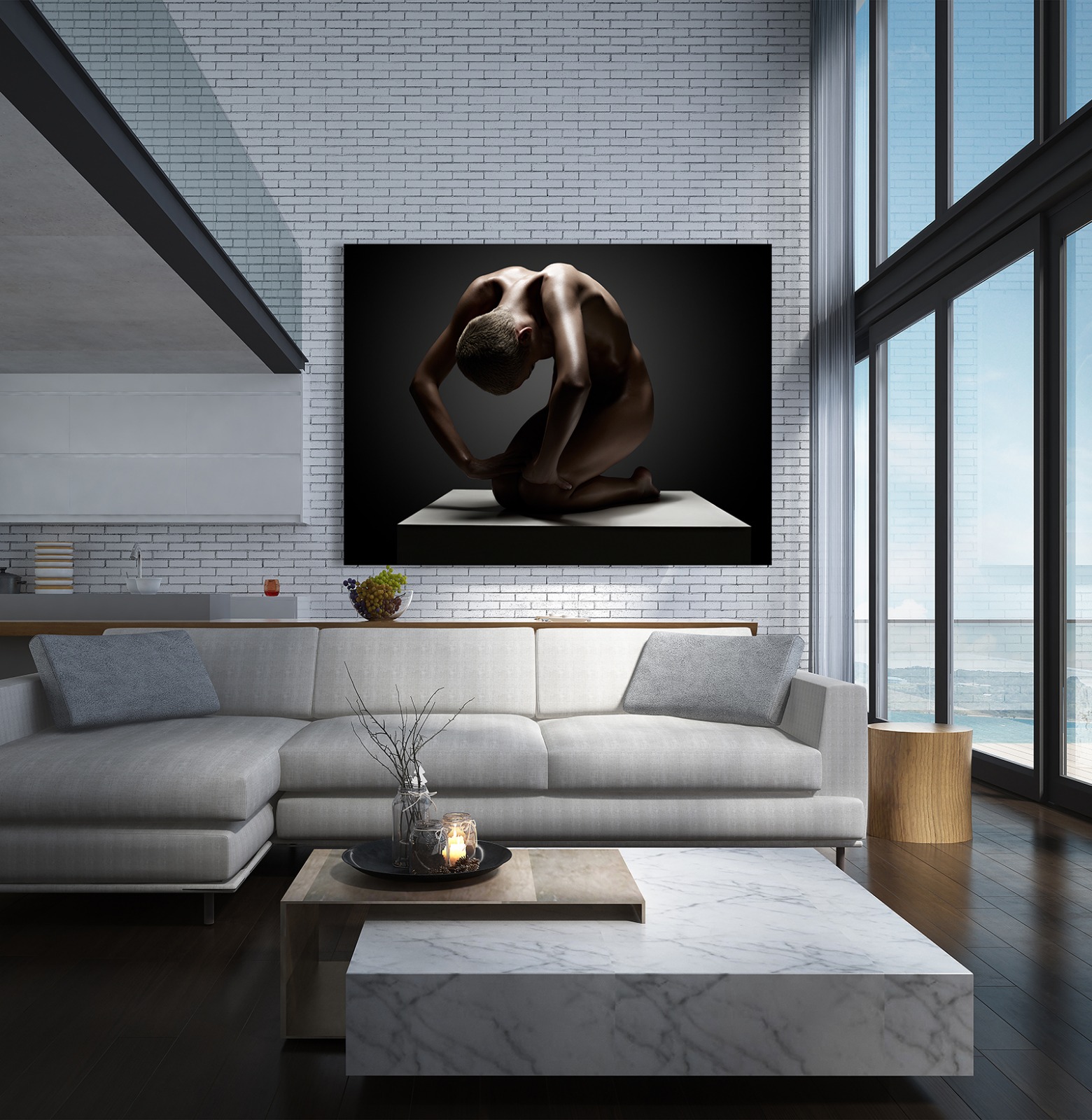
There is a certain kind of allure that comes with owning limited-edition art. Not simply because it is rarer. Not simply because it may become more valuable over time. And not simply because fewer people...
There is a certain kind of allure that comes with owning limited-edition art.
Not simply because it is rarer. Not simply because it may become more valuable over time. And not simply because fewer people will ever own the same piece.
The deeper appeal is psychological.
To collect limited edition art is to choose something with boundaries. Something deliberately finite. Something not designed for endless replication or casual consumption. In a culture built on infinite scrolling, instant access, and mass production, that kind of scarcity carries real weight.
And yet, many people still ask the obvious question:
Is limited edition art really worth it when mass-produced prints are so much cheaper?
The answer depends on what you want art to do in your life.
If you are simply filling a blank wall, inexpensive decor may be enough. But if you are looking for something with presence, intention, quality, and long-term value, limited edition fine art offers something mass-produced art simply cannot.
Here is why.
Limited Edition Art Offers More Than Decoration
Mass-produced wall art serves a purpose.
It can be attractive. It can fill space. It can echo a trend or complete a room. There is nothing inherently wrong with that.
But limited edition art is not just décor.
It carries a different kind of energy.
A limited edition print is created within a defined run—often signed, numbered, and produced in a fixed quantity. That means there is a known limit to how many will ever exist. Once the edition is sold out, that is the end of it.
That boundary changes the relationship between the work and the collector.
You are no longer buying something designed for endless reproduction. You are buying into a controlled release of an artwork that retains scarcity, intention, and collectibility. That difference may seem subtle at first, but it changes how a piece is valued, how it is perceived, and often how it is cared for.
Scarcity creates significance.
And significance changes the way we live with art.
Limited Edition Art Can Be a More Meaningful Investment
Art is unlike most other investments because it can be lived with.
Stocks may grow quietly in the background. Real estate can appreciate over time, but it comes with ongoing expenses, maintenance, and market volatility. Art, by contrast, offers immediate enjoyment while still holding the potential for long-term value.
You do not need to renovate it.
You do not need to manage tenants.
You do not need to wait for a quarterly report to feel its presence.
You simply live with it.
That is part of what makes limited edition fine art so compelling. It occupies a rare space between emotional value and financial potential.
Of course, not every print will dramatically appreciate, and art should never be treated as a guaranteed financial instrument. Still, limited editions do have structural advantages over open-edition or mass-produced work.
Why?
Because scarcity matters.
When an artist’s profile rises—through exhibitions, media attention, gallery representation, publications, or broader collector demand—early limited edition prints can become far more desirable. This is especially true when collectors buy from emerging artists before the wider market catches up.
That does not make limited edition art a purely financial play.
It makes it a more intelligent form of collecting.
Emerging Artists Can Offer the Most Interesting Opportunity
Some of the most exciting limited edition purchases happen before the artist becomes widely known.
Buying work from emerging artists can be especially rewarding because it allows collectors to acquire strong pieces at more accessible price points while the artist is still building momentum. If that artist’s reputation grows, the perceived and market value of earlier editions often grows with it.
But beyond the investment angle, there is something more compelling at work.
You become part of that artist’s story.
You collect before the consensus forms.
You trust your own eye before the market confirms it.
That is one of the most satisfying forms of collecting there is.
It is not about buying what everyone already agrees is valuable. It is about recognizing quality, emotional force, originality, or visual power early—before the rest of the room catches up.
That is not just collecting.
That is taste.
Quality Matters More Than Most Buyers Realize
One of the biggest differences between limited edition fine art and mass-produced prints is not just rarity.
It is quality.
In the digital era, it has never been easier to produce and sell images. Print-on-demand platforms have made art more accessible, which can be a positive thing in many ways. However, accessibility does not always translate into craftsmanship.
A mass-produced print may look acceptable online or in a small preview, but the difference often becomes obvious in person.
The paper stock matters.
The ink matters.
The tonal depth matters.
The sharpness matters.
The texture matters.
The way blacks hold, the way skin tones translate, the way highlights breathe, the way the surface catches light—these details are not minor. They shape the entire experience of the work.
A strong limited edition print is usually produced with greater care, better materials, and more attention to fidelity. Whether printed on museum-grade paper, fine art rag, or premium canvas, the result tends to feel more substantial, more refined, and more lasting.
You are not just buying an image.
You are buying an object.
And objects matter.
Limited Distribution Creates Real Allure
There is a reason scarcity has always been linked to desire.
What is difficult to access often carries greater emotional charge.
Limited edition art benefits from that same principle. When only a select number of prints exist, each piece naturally holds more weight. The work feels less disposable. It carries a stronger sense of ownership. It also tends to feel more personal because it is not something you are likely to see repeated endlessly in other homes, offices, boutique hotels, or social feeds.
That matters more than people admit.
Art is deeply tied to identity.
The work you choose says something about how you see the world. It reflects your taste, your interests, your appetite for risk, your attraction to beauty, your comfort with tension, and the kind of atmosphere you want to live inside.
Mass-produced art can be pleasant.
Limited edition art can feel chosen.
And that difference is often what gives a collection its magnetism.
Limited Edition Art Makes a Stronger Statement in a Space
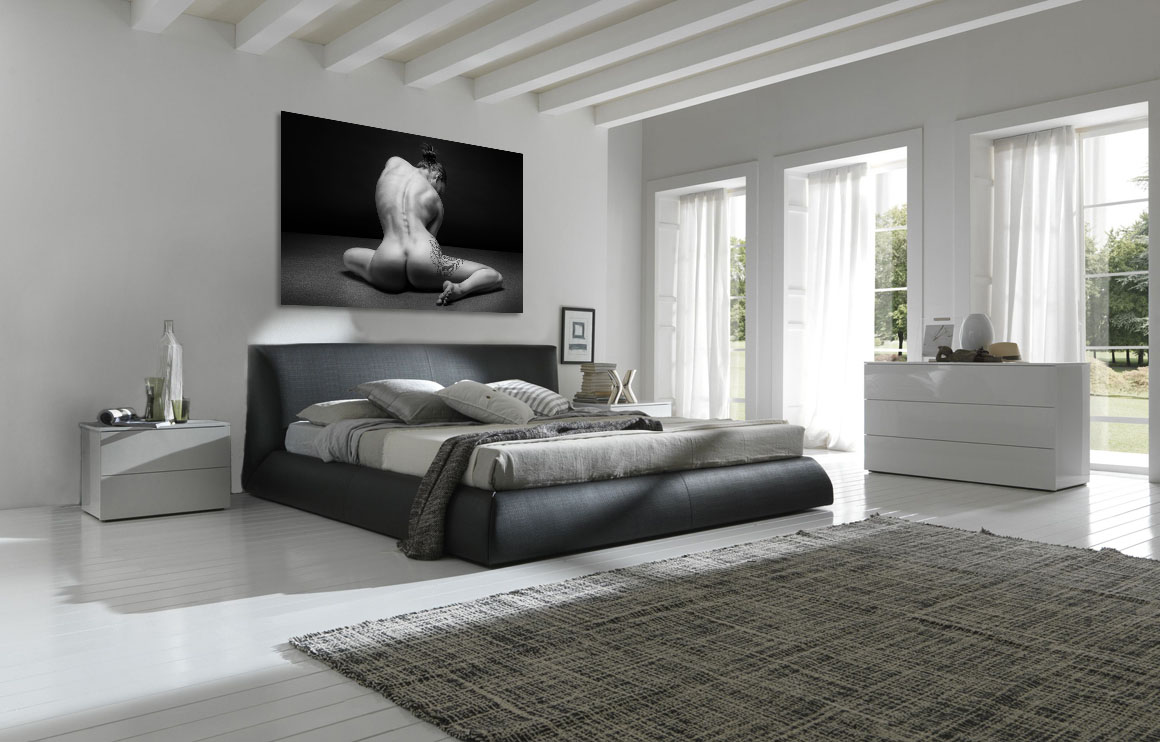
A well-chosen limited edition print does more than fill a wall.
It anchors a room.
It creates atmosphere.
It becomes a conversation piece—not because it is expensive, but because it feels less generic. People respond differently to work that feels intentional, unusual, or hard to place. Familiarity is comforting, but rarity is compelling.
That is especially true with provocative, sensual, or psychologically charged work.
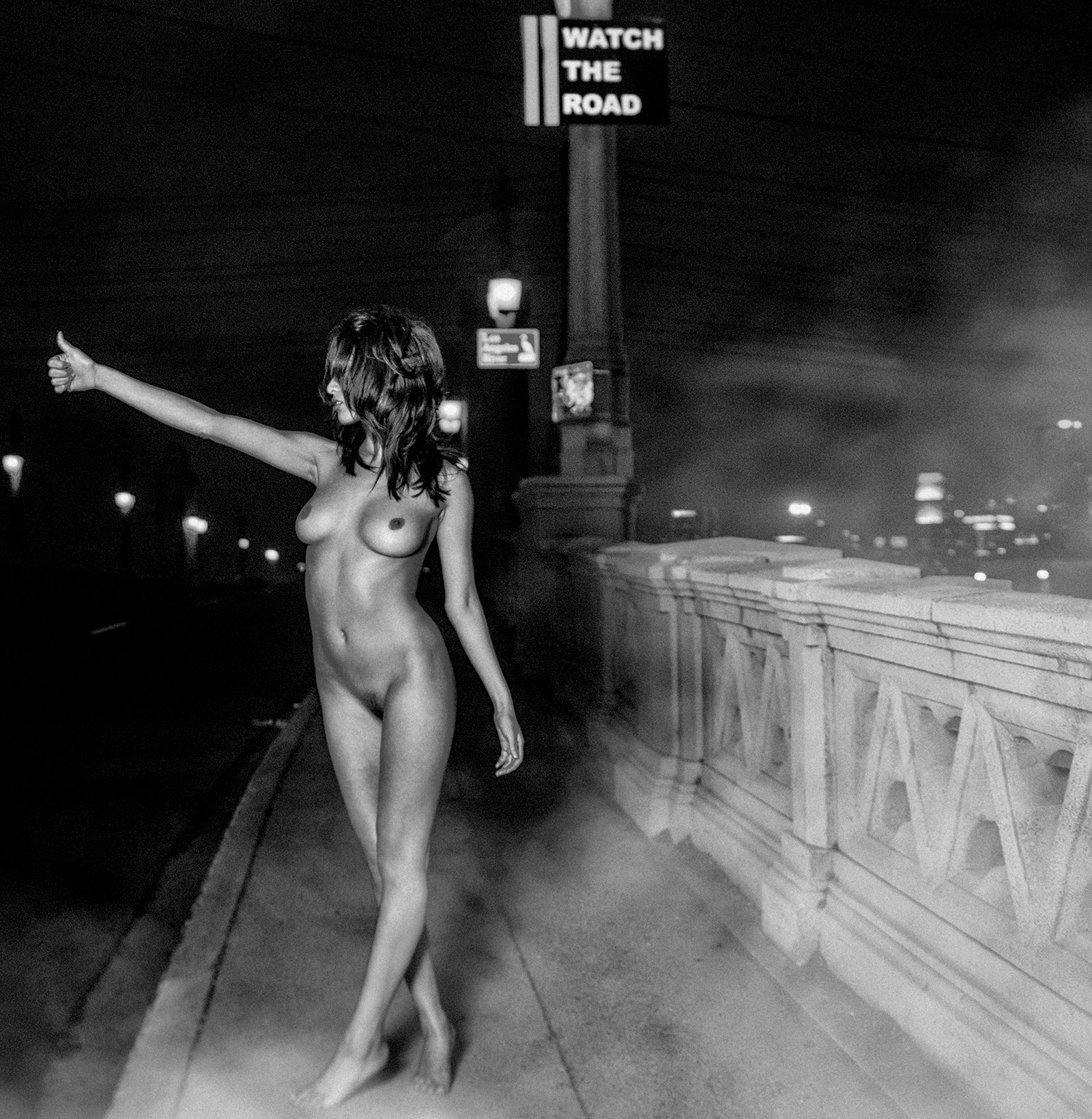
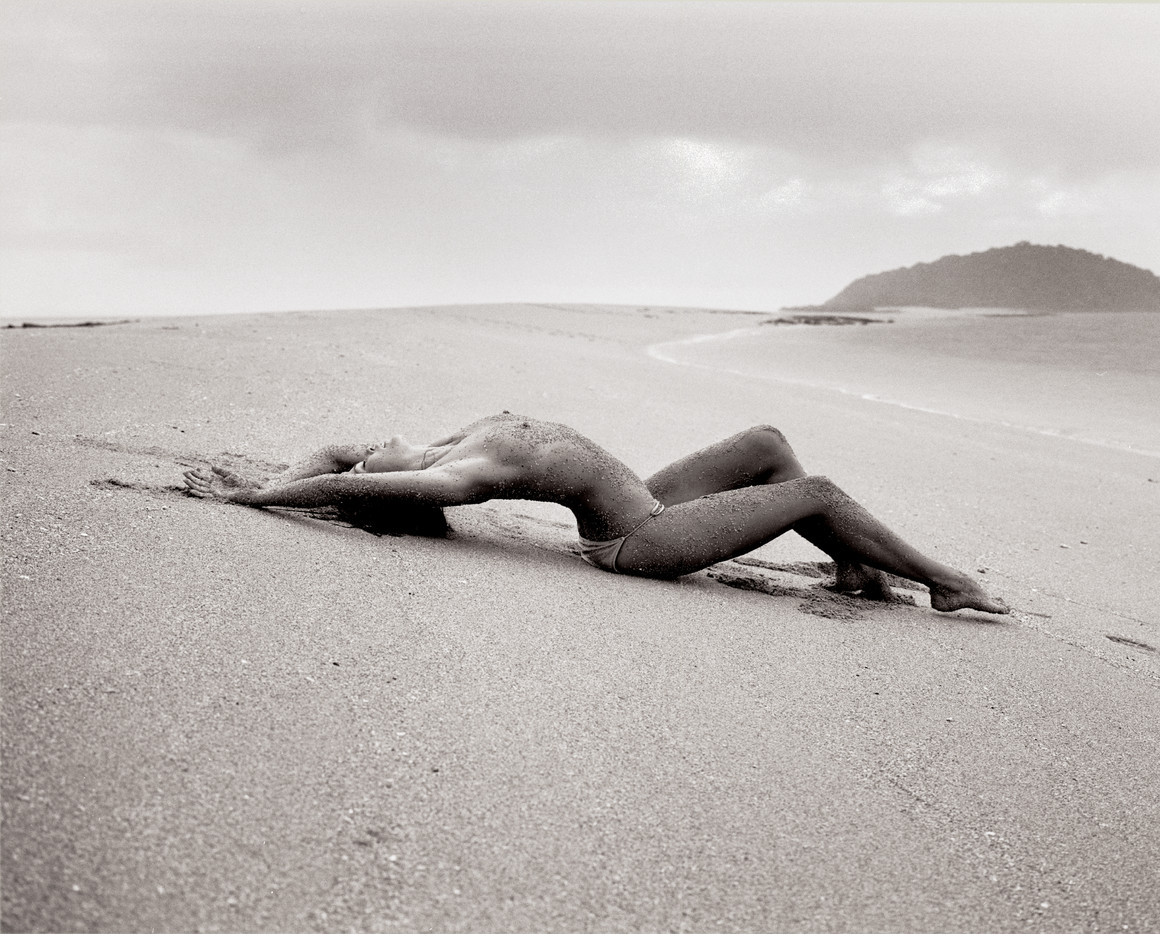
A striking nude. A suggestive composition. A piece that sits somewhere between beauty and discomfort. A print that reveals restraint rather than excess. These kinds of works do not behave like decorative accessories. They shape the emotional temperature of a room.
They create tension.
They create intrigue.
They create memory.
That is the power of art that is collected rather than merely purchased.
Buying Limited Edition Art Supports the Artist in a More Meaningful Way
Buying art is one of the most direct ways to support artists.
But buying limited edition work can be especially meaningful because it supports not only the sale itself, but the artist’s broader growth. Strong limited edition releases help artists build collector confidence, strengthen their market presence, and establish momentum around their work.
Sales can lead to more visibility.
More visibility can lead to exhibitions, press, features, reviews, commissions, and new opportunities.
In other words, when you collect a limited edition print, you are not just purchasing an artwork.
You are participating in the ecosystem that helps an artist build value.
That benefits the artist.
And over time, it can also benefit the collector.
This is one of the most elegant aspects of collecting: the relationship between artist and collector is not purely transactional. It is part patronage, part trust, part cultural participation.
You are not just buying something beautiful.
You are helping shape what gets seen.
Mass-Produced Art Has Its Place—But It Is Not the Same Thing
To be clear, not every buyer needs limited edition art.
If your goal is affordability, flexibility, or casual styling, mass-produced prints may be perfectly fine. There is no need to pretend otherwise.
But it is important not to confuse accessible décor with collectible art.
They may both hang on a wall.
They do not serve the same purpose.
Mass-produced art is built for volume.
Limited edition art is built for distinction.
One is easily replaced.
The other becomes harder to replicate, harder to source, and often harder to forget.
That difference is exactly why collectors continue to seek out limited editions even in an era where nearly any image can be printed on demand.
Final Thoughts
Limited edition art is not for everyone.
And that is precisely part of its appeal.
It asks a little more from the buyer: more intention, more discernment, more patience, more trust in your own taste. It is not simply about owning something expensive or exclusive. It is about choosing art that carries greater presence, stronger craftsmanship, meaningful scarcity, and the possibility of long-term value.
In a world saturated with images, repetition, and endless reproduction, there is still something powerful about owning a work that remains deliberately limited.
Something fewer people can have.
Something chosen, not mass distributed.
Something that feels less like décor and more like a decision.
That is often where collecting begins.
And once it does, it becomes very difficult to go back.