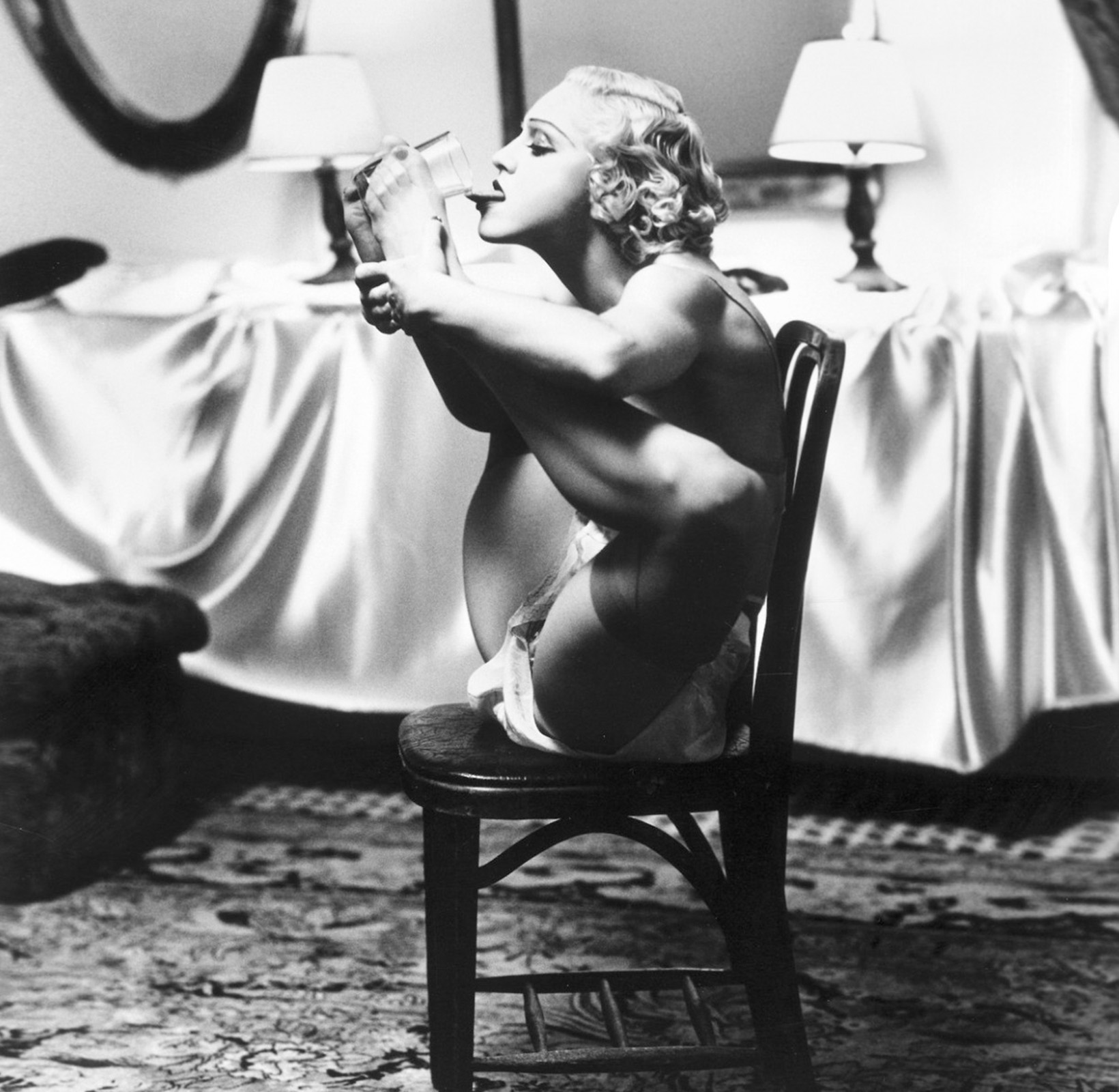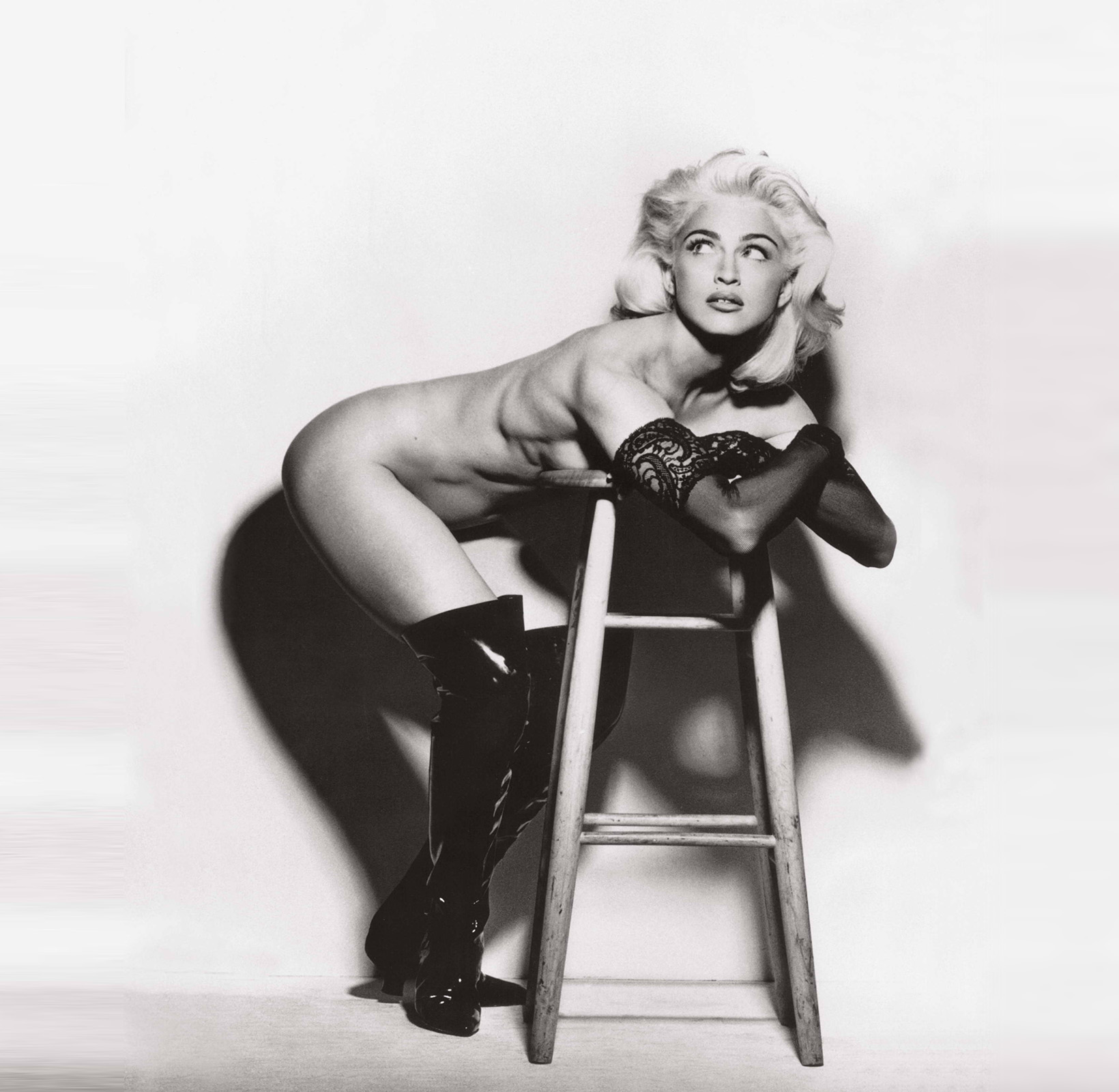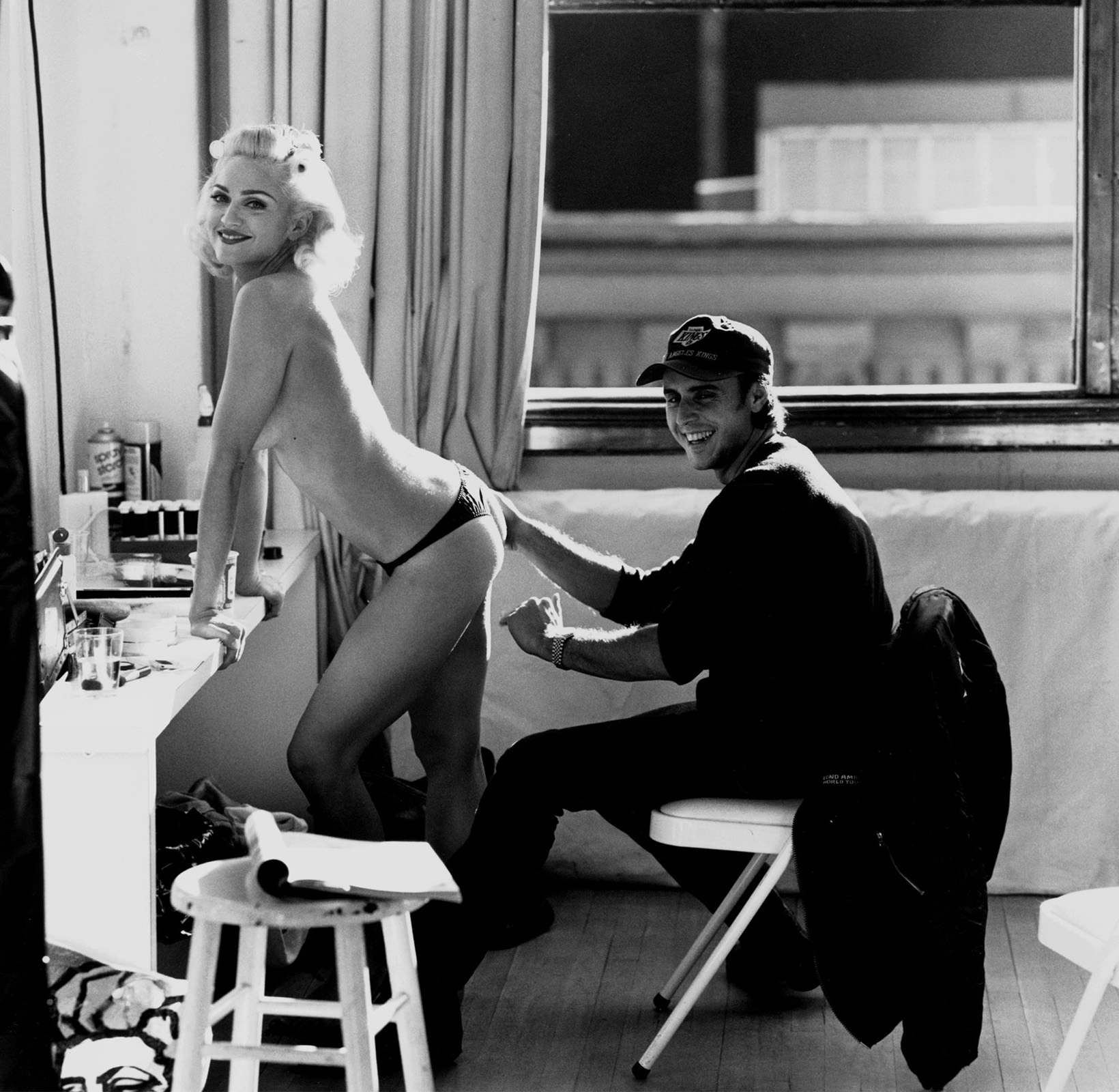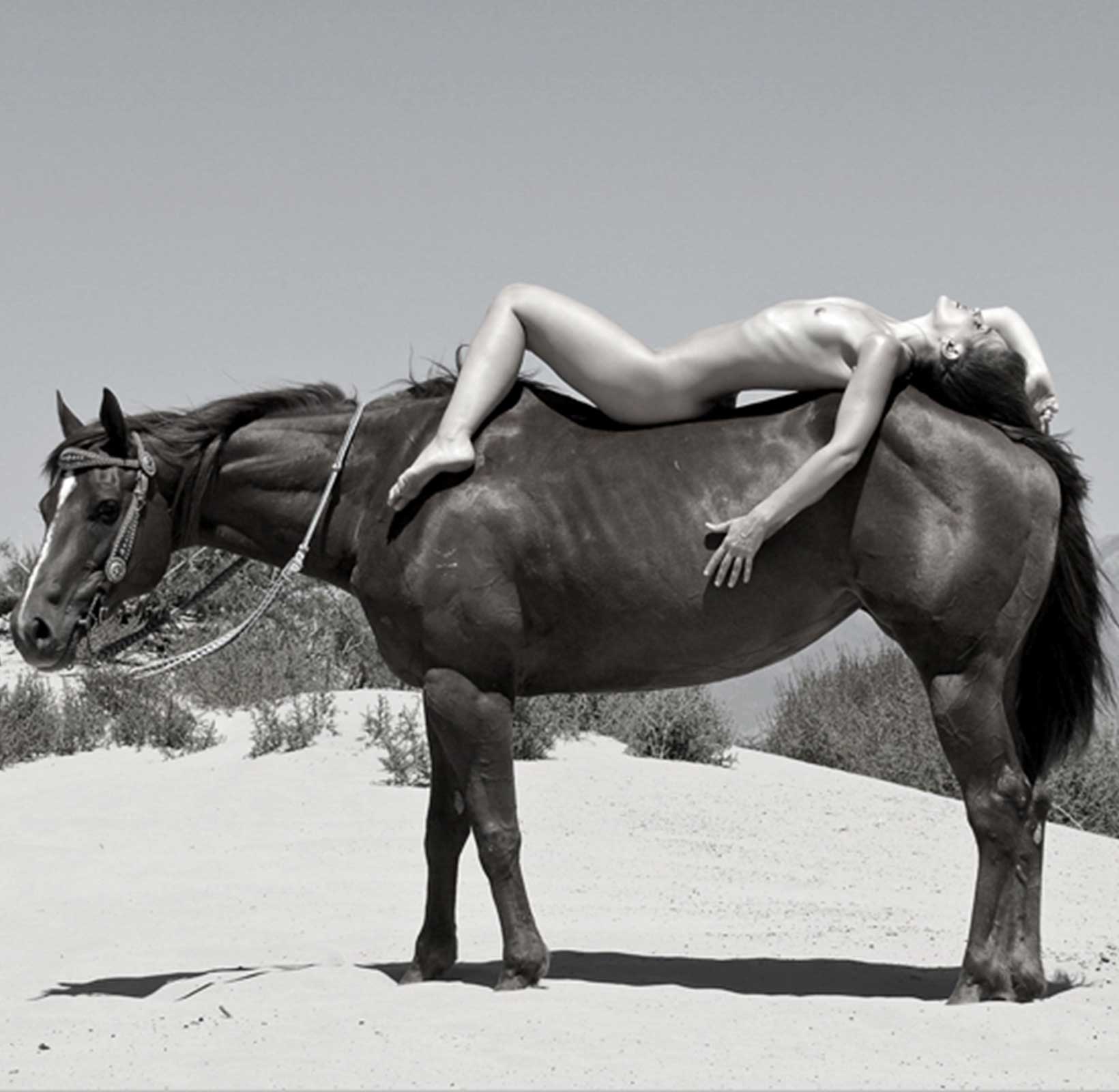
• What Makes a Great Photographer?

    The Difference Between Taking Pictures and Creating Art We live in a photographic age. Less than two centuries after the world’s first recorded photograph, the medium has become so common that nearly...

    The Difference Between Taking Pictures and Creating Art

    We live in a photographic age.

    Less than two centuries after the world’s first recorded photograph, the medium has become so common that nearly everyone now carries a camera in their pocket. Photography is no longer rare, technical, or reserved for specialists. It is constant. Instant. Disposable. A language of daily life.

    We photograph our meals, our faces, our bodies, our lovers, our hotel rooms, our pets, our coffee cups, our reflections, and our own sadness. We document everything. We edit it. We post it. We delete it. Then we do it again.

    In a culture built on selfies, stories, filters, and curated feeds, everyone has taken themselves seriously as a photographer at least once.

    And yet, the sheer volume of images surrounding us raises an obvious question:

    If everyone is taking photographs, what actually makes someone a great photographer?

    What separates an image that is merely captured from one that lingers? What distinguishes a person who records a moment from an artist who transforms it?

    The answer is not gear. It is not access. It is not even technical perfection alone.

    Great photography begins where ordinary seeing ends.

    We Are Surrounded by Images, But Not All Images Matter

    One of the strange consequences of the digital era is that photography has become both more accessible and more forgettable.

    We are flooded with images every day, yet very few stay with us.

    Most photographs are functional. They prove something happened. They preserve a face, a place, a meal, a mood, or a passing impulse. There is nothing wrong with that. Photography has always had a documentary function.

    But art begins when the photograph does more than record.

    A great photograph does not simply show you something.

    It makes you feel the presence of something.

    That may be tension. Longing. Beauty. Alienation. Desire. Loneliness. Power. Vulnerability. Seduction. Distance. Stillness. Memory.

    The strongest photographers do not just point the camera at the world. They decide how the world should be seen.

    Composition Is More Than Arrangement

    Like any visual art form, photography lives and dies by composition.

    This is one of the clearest differences between the casual image-maker and the serious photographer.

    An amateur often reacts quickly. They see something interesting and capture it before it disappears. Sometimes that instinct produces something remarkable. More often, it produces an image that feels accidental.

    A great photographer is rarely accidental.

    Composition is not just about placing subjects neatly within a frame. It is about control. It is about balance, tension, rhythm, space, interruption, proportion, and restraint. It is about deciding what belongs in the image—and just as importantly, what does not.

    Where does the eye land first?

    What is cropped out?

    What creates pressure in the frame?

    What creates silence?

    What feels intimate? What feels distant?

    In provocative or erotic photography, composition becomes even more powerful. A body can be made explicit or mysterious depending on what is withheld. A partial gesture can be more charged than full exposure. A shoulder, a mouth, a hand, the curve of a back, a stocking half-removed—these details can say far more than total revelation ever could.

    That is where photography begins to understand desire.

    Light Is Not Just Technical—It Is Psychological

    If composition gives photography structure, light gives it mood.

    Lighting is often treated as a technical issue, but in great photography it becomes something far more intimate. It shapes emotion. It creates atmosphere. It determines whether an image feels soft, severe, vulnerable, theatrical, detached, romantic, cold, or dangerous.

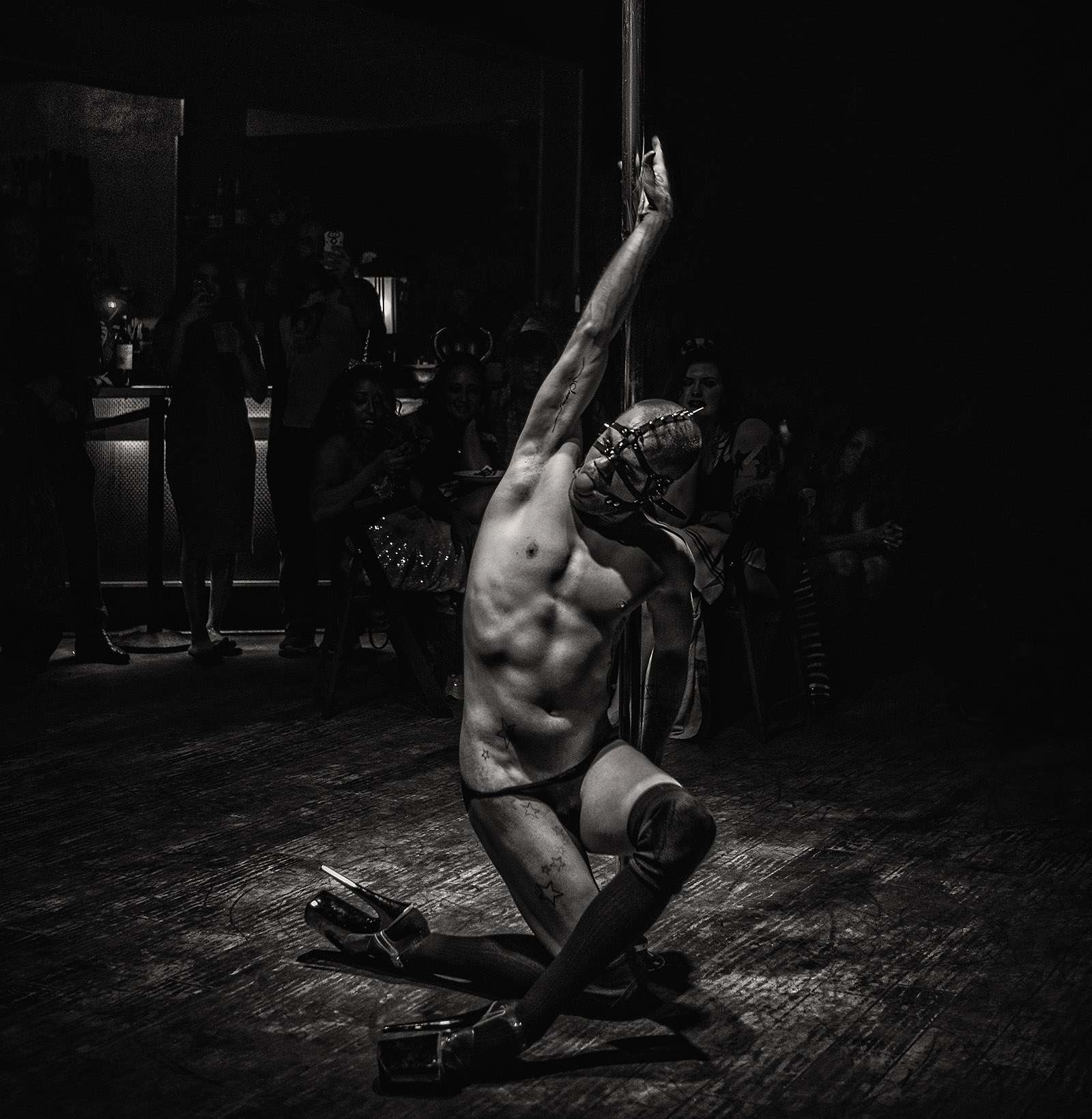
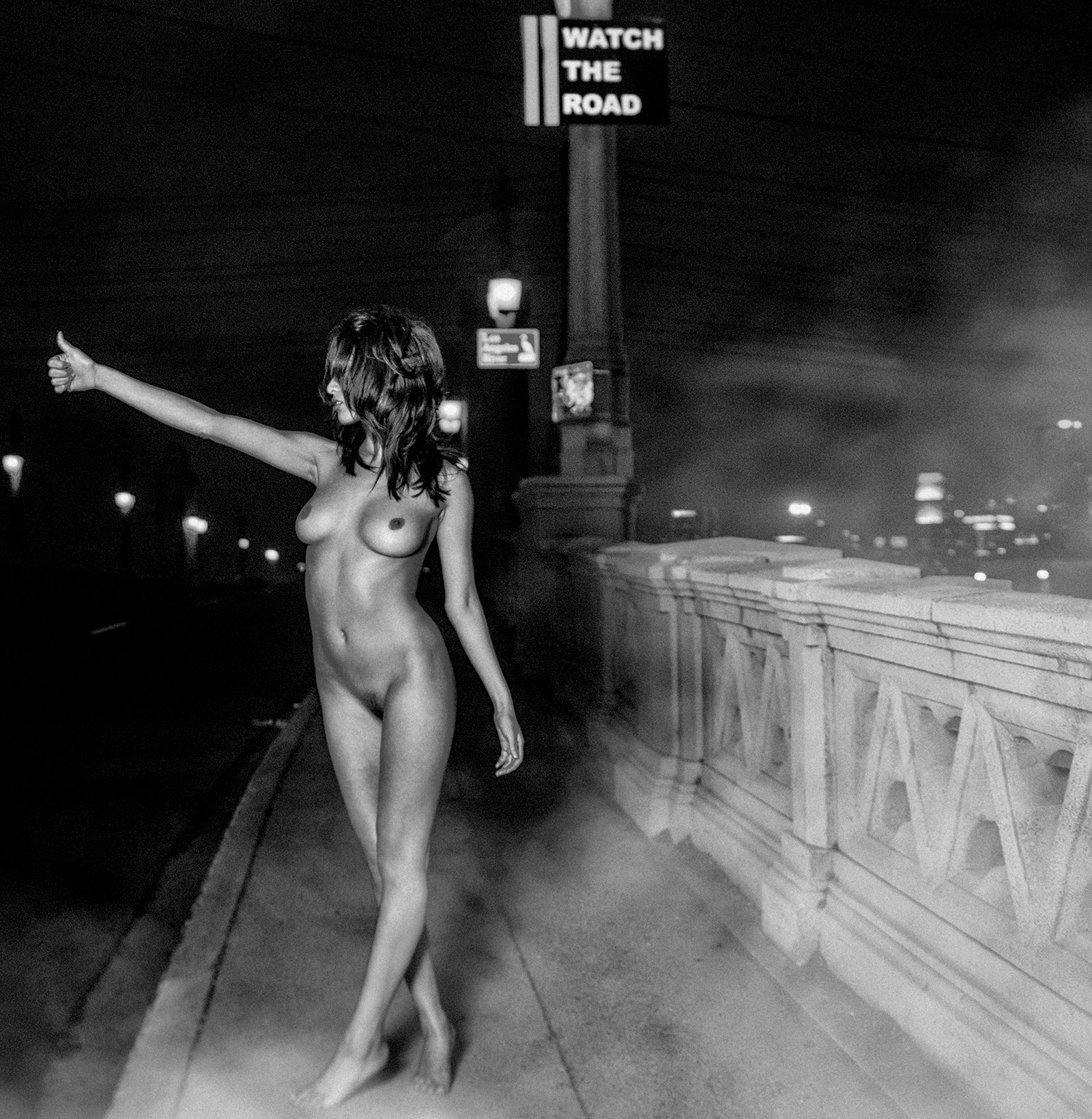
    This is especially true in black-and-white photography, where light is stripped of the distraction of color and asked to carry more of the emotional weight.

    In black-and-white, what is illuminated matters.

    So does what disappears into shadow.

    The line between revelation and concealment becomes sharper. Contrast becomes narrative. Shadow becomes tension. Skin becomes sculptural. The body becomes form, not just subject.

    This is one reason black-and-white nude photography can feel more psychologically loaded than color. It often asks the viewer to look more carefully, and in doing so, it transforms the body from something consumed into something interpreted.

    The best photographers understand this instinctively: light does not simply reveal. It seduces, obscures, withholds, and directs.

    A Great Photograph Lets You Enter a Moment

    The best photography has an almost impossible quality: it makes time feel porous.

    You are not simply looking at an image. You are stepping into a moment.

    Sometimes that moment is richly layered with clues. Other times, it is sparse and minimal. Either way, something in the image opens a psychological doorway. The viewer is invited into another atmosphere, another emotional state, another memory, or another version of reality.

    This is what separates a strong image from a merely attractive one.

    A great photograph may remind you of a person you once loved. It may trigger a private memory. It may feel like a scene from a film you were never in. It may create a sense of longing for a place you have never been.

    The image becomes more than visual.

    It becomes experiential.

    This is also why provocative photography can be so powerful when done well. It does not need to show everything. In fact, it often becomes stronger when it does not. A tasteful glimpse, a charged pause, a suggestive angle, a body partially obscured—these can create more tension than exposure alone.

    Mystery has always been one of photography’s most seductive tools.

    The Best Photographs Do Not Just Impress—They Stay With You

    Technical skill matters. Composition matters. Lighting matters. Timing matters.

    But none of those alone are enough.

    A truly great photograph leaves residue.

    It lingers in the mind after you have looked away.

    That is often the clearest sign that something meaningful has happened.

    You may not even know why an image stays with you. Sometimes it is the tension in a face. Sometimes it is the emotional distance between two bodies. Sometimes it is the way a room feels almost too quiet. Sometimes it is the confidence of the gaze. Sometimes it is the sense that the image is telling you something without fully explaining itself.

    This is where photography begins to cross into art.

    A memorable image creates a relationship with the viewer. It invites projection. It opens interpretation. It resists being exhausted in a single glance.

    In that sense, the best photographs are not always the most obvious. They are often the ones that refuse to resolve too quickly.

    Inspiration Is One of the Truest Measures of Greatness

    There is another quality great photographers share, and it is often overlooked:

    Their images inspire.

    That inspiration can take many forms.

    Sometimes it pulls the viewer deeper into the emotional world of the image. Sometimes it awakens desire. Sometimes it sharpens curiosity. Sometimes it makes another artist want to experiment with composition, mood, framing, or narrative. Sometimes it simply reminds the viewer that beauty, tension, and meaning can still exist in a world oversaturated with content.

    That kind of response does not come from trend-chasing.

    It comes from conviction.

    The strongest photographers are not simply making images for approval. They are translating a way of seeing. Their work reflects a real fascination with the body, the world, the human face, the drama of light, the architecture of desire, or the emotional charge of a fleeting moment.

    And when that fascination is genuine, viewers feel it.

    A powerful photograph often carries the photographer’s obsession inside it.

    Why Most Images Fail

    Most photographs fail for the same reason most art fails:

    They are too easy.

    They rely on novelty instead of vision. They imitate trends instead of developing a point of view. They overexplain. They overshare. They mistake exposure for intimacy and polish for depth.

    This is especially visible in an era obsessed with visibility.

    Today, many images are designed to be instantly consumed. They are optimized for reaction, not reflection. They are meant to stop the scroll for half a second, not to live in the imagination for years.

    But the photographs we remember tend to resist that logic.

    They are often slower.

    Stranger.

    More deliberate.

    More sensual.

    More unresolved.

    They do not ask only to be seen. They ask to be returned to.

    The Difference Between an Amateur and an Artist

    The line between amateur and artist is not always technical.

    It is often perceptual.

    An amateur photographs what is there.

    An artist photographs what is hidden inside what is there.

    That difference can be subtle, but it changes everything.

    It means the photographer is not simply documenting a face, but revealing something about power, fragility, vanity, distance, seduction, decay, memory, or longing.

    It means the nude is no longer just a nude.

    It becomes a study in vulnerability, control, fantasy, symbolism, or self-possession.

    It means a room is no longer just a room.

    It becomes atmosphere.

    That is why great photographers—from Alfred Stieglitz to Helmut Newton, from Diane Arbus to Robert Mapplethorpe—continue to matter. Not because they owned cameras, but because they taught viewers how to look differently.

    That is the real achievement.

    Final Thoughts

    In an age where everyone takes pictures, the rare image is the one that feels inevitable.

    Not casual. Not disposable. Not merely attractive.

    Inevitable.

    As if it had to be made exactly that way.

    That is what great photographers do. They do not simply capture the visible. They shape the invisible. They use composition, light, tension, restraint, mood, and instinct to create images that move beyond documentation and into something more lasting.

    A photograph becomes art when it does more than show.

    It reveals.

    And in the most compelling work, it reveals something not only about the subject, but about the viewer too.

    That is when an image stops being a picture.

    That is when it begins to haunt.
  • Helmut Newton | Erotic Fashion Photography

    Every once in a while a brilliant artistic flash emerges that redefines a genre or combines ideas into a new fusion of styles. This occurs across all sectors of culture and the arts and it’s no surprise...

    Every once in a while a brilliant artistic flash emerges that redefines a genre or combines ideas into a new fusion of styles. This occurs across all sectors of culture and the arts and it’s no surprise that the art of photography has benefitted from this phenomenon. Helmut Newton, a unique and highly influential figure in contemporary fine art photography produced one such brilliant flash.

    Newton was one of the world’s greatest fashion photographers. His erotically charged black-and-white photos achieved near-permanent status on the covers of Vogue, Harper’s Bazaar and other high fashion magazines. His photographic art – mixing fashion, nudity, and beauty – made him one of the most talked-about contemporary artists of the 1980s and 90s. His compositional talent took fashion photography to a new artistic level.

    The first fashion magazines, Harper’s Bazaar and Vogue were initially illustrated by hand. It was not until 1913 when Condé Nast hired a photographer famed for his elegant photographic portraits, to shoot for Vogue, that photographs began to be used in fashion editorials. In the 1920s and 1930s, with the help of photography, rising couturiers, such as Chanel, Balenciaga, and Lanvin, became known for their distinctive styles. Paris was the center of the fashion world and the French city attracted some of the most famous fashion photographers of the time, mostly coming from Germany. Photographers such as Horst P. Horst and George Hoyningen-Huene, both working at Vogue, took an important step in re-imaging fashion photography. Paris remained the center of both fashion and fashion photography until the end of the 1930′s but the world was starting to change.

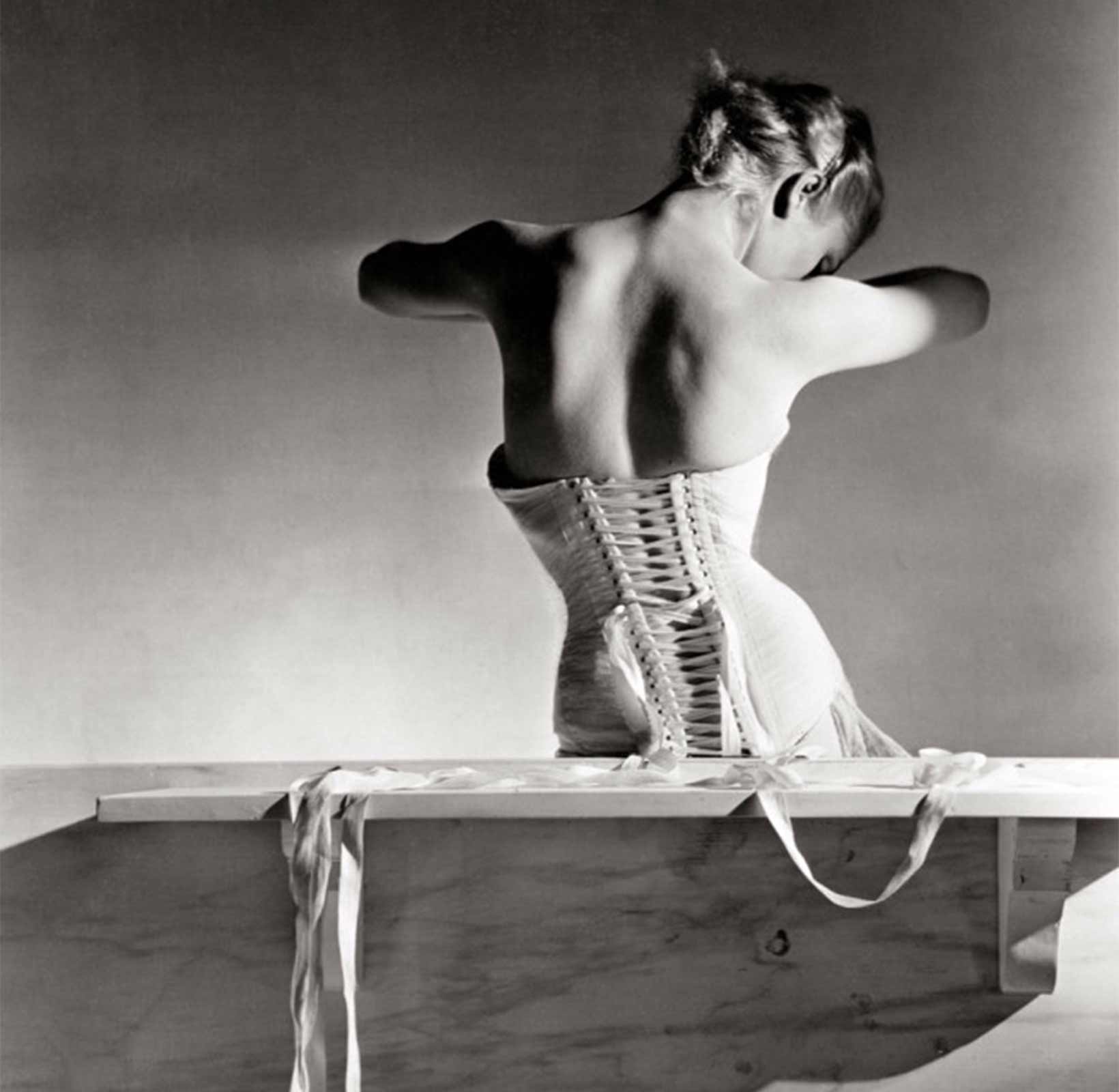
    Corset photographed by Horst P. Horst in 1939
    Horst P. Horst | Corset by Detolle for Mainbocher (1939)

    Richard Avedon, an American who began his career in 1944 as an advertising photographer developed an interest in fashion photography, and showed a great aptitude for this genre. Avedon was retained by Harper’s Bazaar and was sent to Paris in 1946 to cover the latest collections from the French fashion houses. The images Avedon captured for Harper’s Bazaar represented a new direction for fashion photography, young and full of energy.

    Avedon’s style was all about movement. He replaced the static, lifeless poses of the work that preceded him, with photographs full of vitality. He moved out of the studio and its confining control, preferring to work outdoors, or on location. Capturing lively street scenes and bustling parties, his models were photographed at the moment, showcasing their natural femininity; their flowing clothes seemed to be an elegant extension of their own bodies.
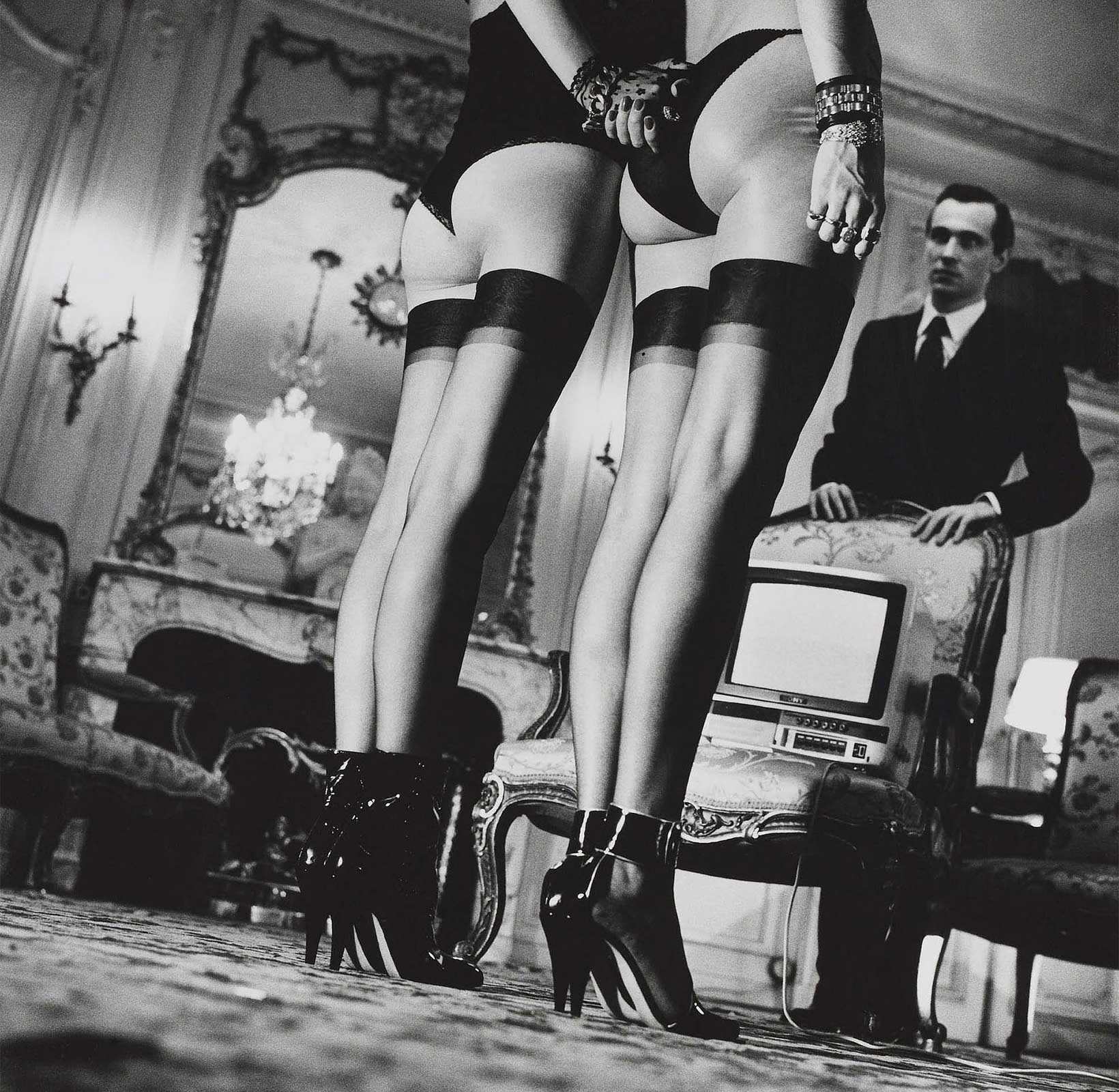
    Following on the heels of Avedon, Helmut Newton presented a newly aggressive and erotic image of women, who were radiant, elegant, powerful, and sensual. Avedon and the newly emerging Newton offered a striking counterpoint to contemporary fashion photography that had often portrayed women as weak and controlled.

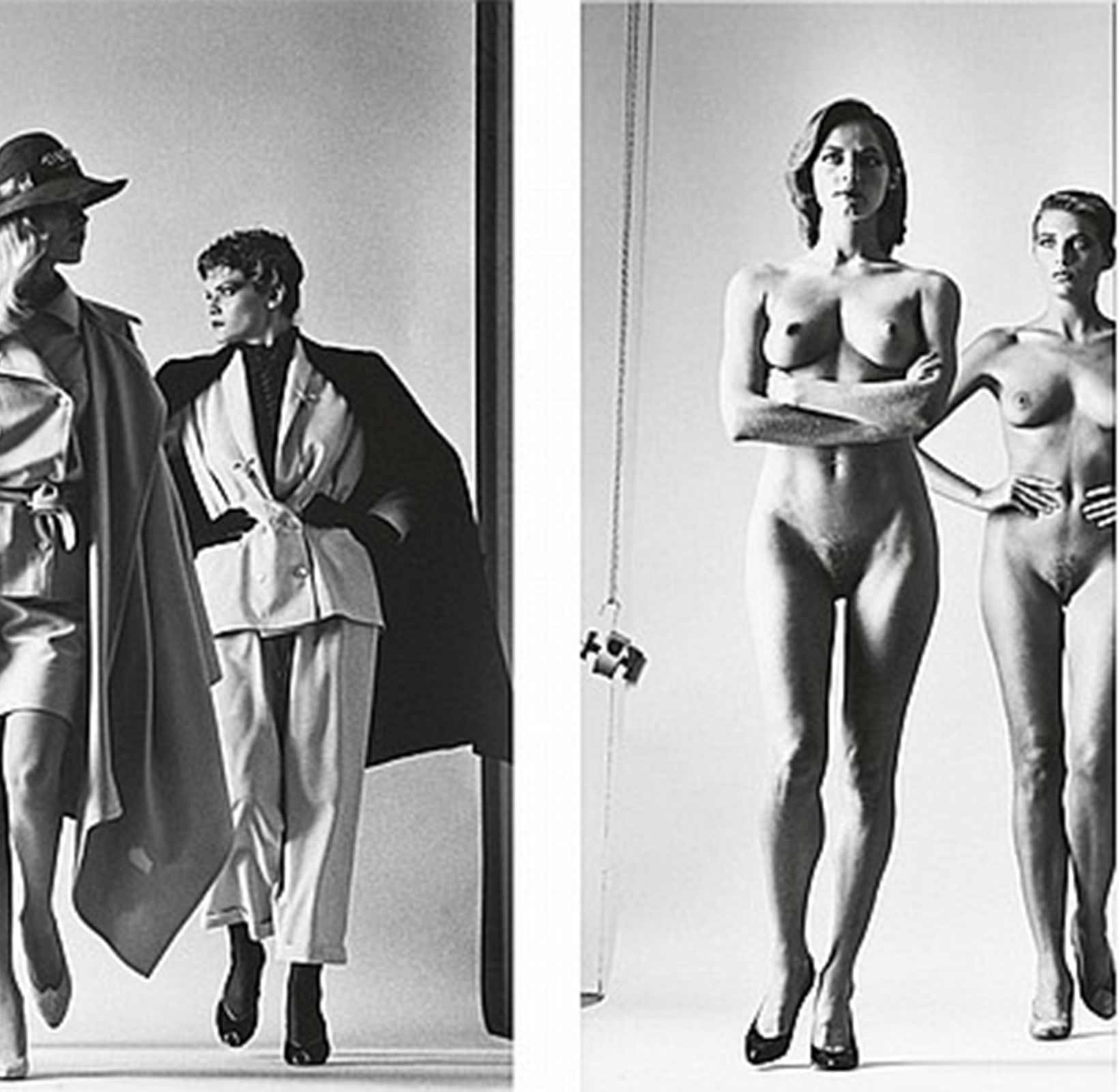
    Naked and dressed photograph by Helmut Newton in 1981
    Helmut Newton | Naked and Dressed, Paris (1981)

    A master of eroticism’s dark potential, Helmut Newton redefined fashion photography – and even influenced modern sexuality, producing vividly erotic photographic art for Playboy and other leading-edge publications of the time. Newton’s influence has grown to be monumental in scope and impact. He was provocative, in his portrayals of stylized erotic scenes. His female subjects were photographed in suggestive poses, seemingly unaware of the camera. His models were typically tall and strong with perfect physiques – prototypical of later ‘super-models’ of the 1980s. The scenarios he arranged were shocking at the time, but their impact has lessened with the growth of erotic photography worldwide.
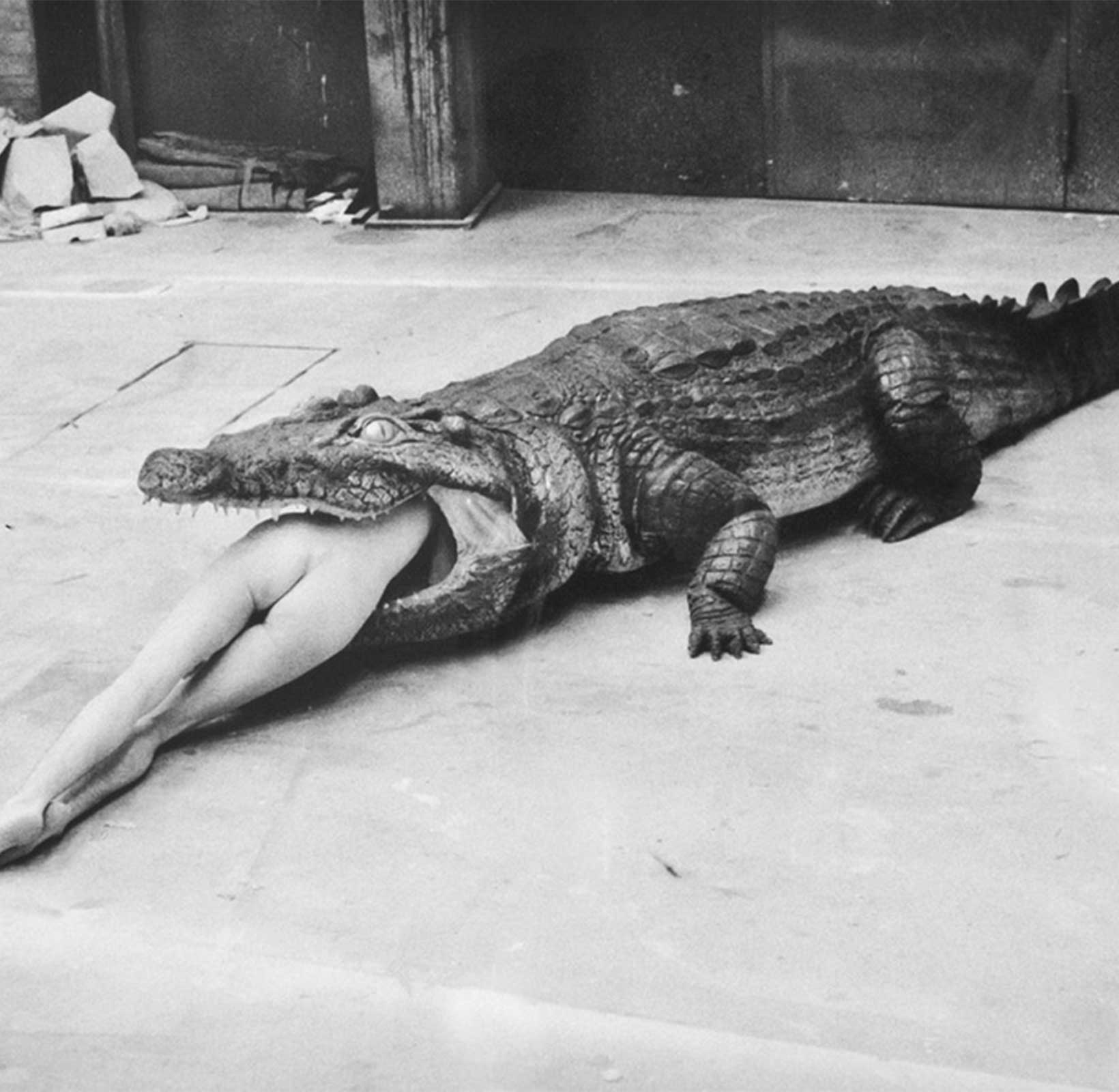
    Crocodile erotic photograph by Helmut Newton in 1980
    Helmut Newton | Crocodile (1980)

    A key feature of Newton’s photography is its ambiguity – viewers are never quite sure how to react to the scenes presented. This edgy ambivalence, allied to his style and panache, is what separates his pictures from those of his many imitators. This, and his technical brilliance – the way that he composes, frames and illuminates his photos are in a class of its own.

    The world of Helmut Newton is extremely complex and diverse.

    Born Helmut Neustaedter, to a Jewish family in Berlin, Germany, his fascination with photography began at the age of 12. At 16 he was apprenticed to a Berlin-based photographer, who was renowned for her elegant fashion, theatrical and nude photographs, greatly influencing his future career. In the late 1930s, Newton fled Nazi Germany, eventually settling in Australia. In 1946 he became an Australian citizen and set himself up in Melbourne as a professional photographer specializing in fashion and theatre photography.

    In 1953 Newton achieved his first big break when he was commissioned to produce a series of fashion shots in a special Australian supplement for Vogue magazine, which appeared in early 1956. Following the success of this, he was given a 12-month contract with British Vogue and moved to London, later settling in Paris where he worked on fashion shoots for a variety of prestigious magazines including French Vogue and Harper’s Bazaar. Later in his career, he shot covers for Playboy, Nova, Oui, Marie-Claire, and Elle, as well as the American, Italian, and German editions of Vogue.

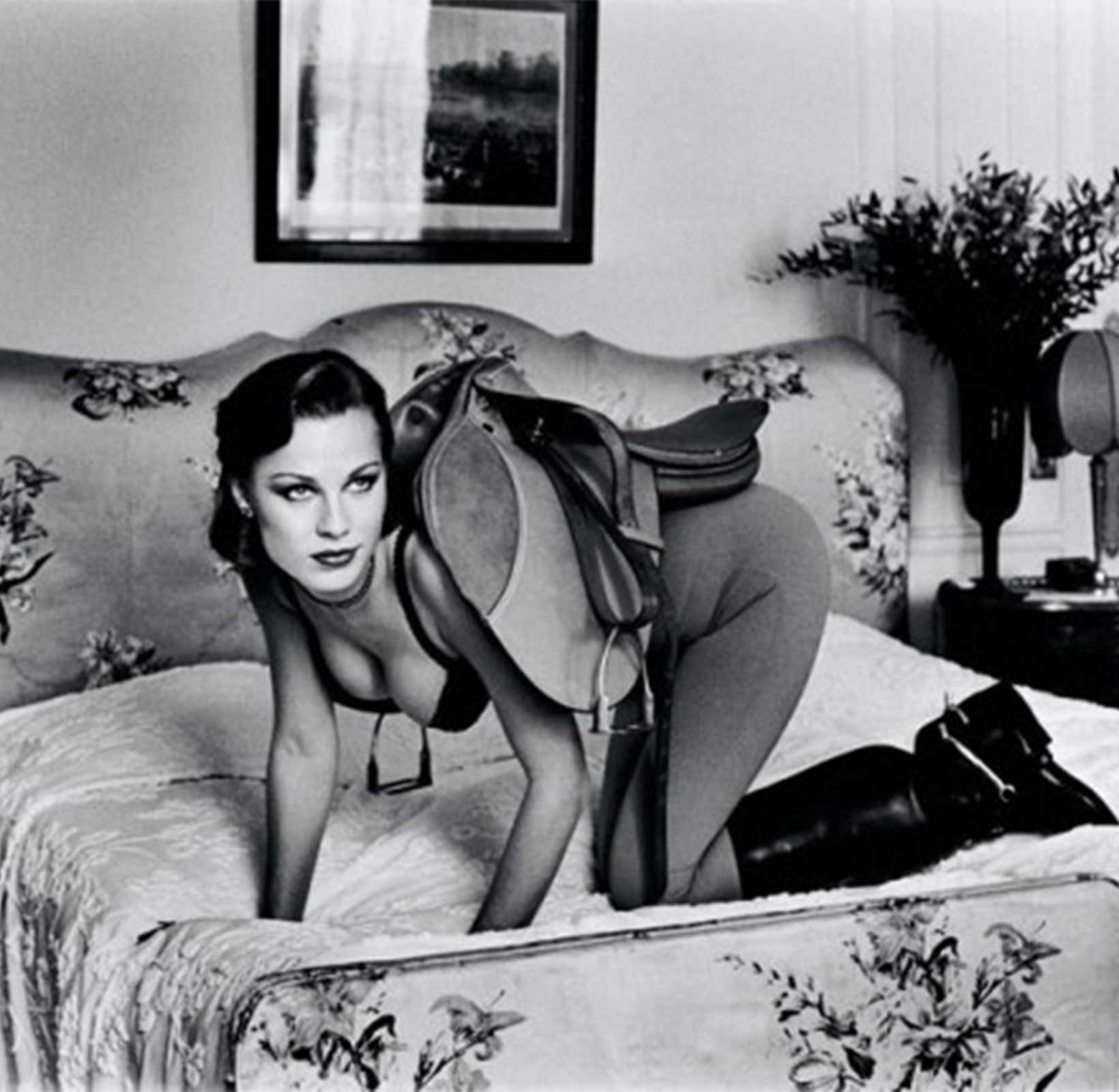
    Model in horse saddle photograph by Helmut Newton in Paris in 1976
    Helmut Newton | Saddle, Paris (1976)

    In the late 1960s, early 70s, he began to create a new style of erotic pictorialism – a type of fashion photography involving cool statuesque, and sexually experienced women, complete with overtones of voyeurism, sadomasochism, fetishism, and lesbianism – the absolute antithesis of the feminist art being produced in America at the time. Newton’s provocative interpretation of elegant and decadent lifestyles, with its powerful, confrontational female nudes, was light years away from the conventional fashion photography practiced by his contemporaries. The publishing industry loved it.

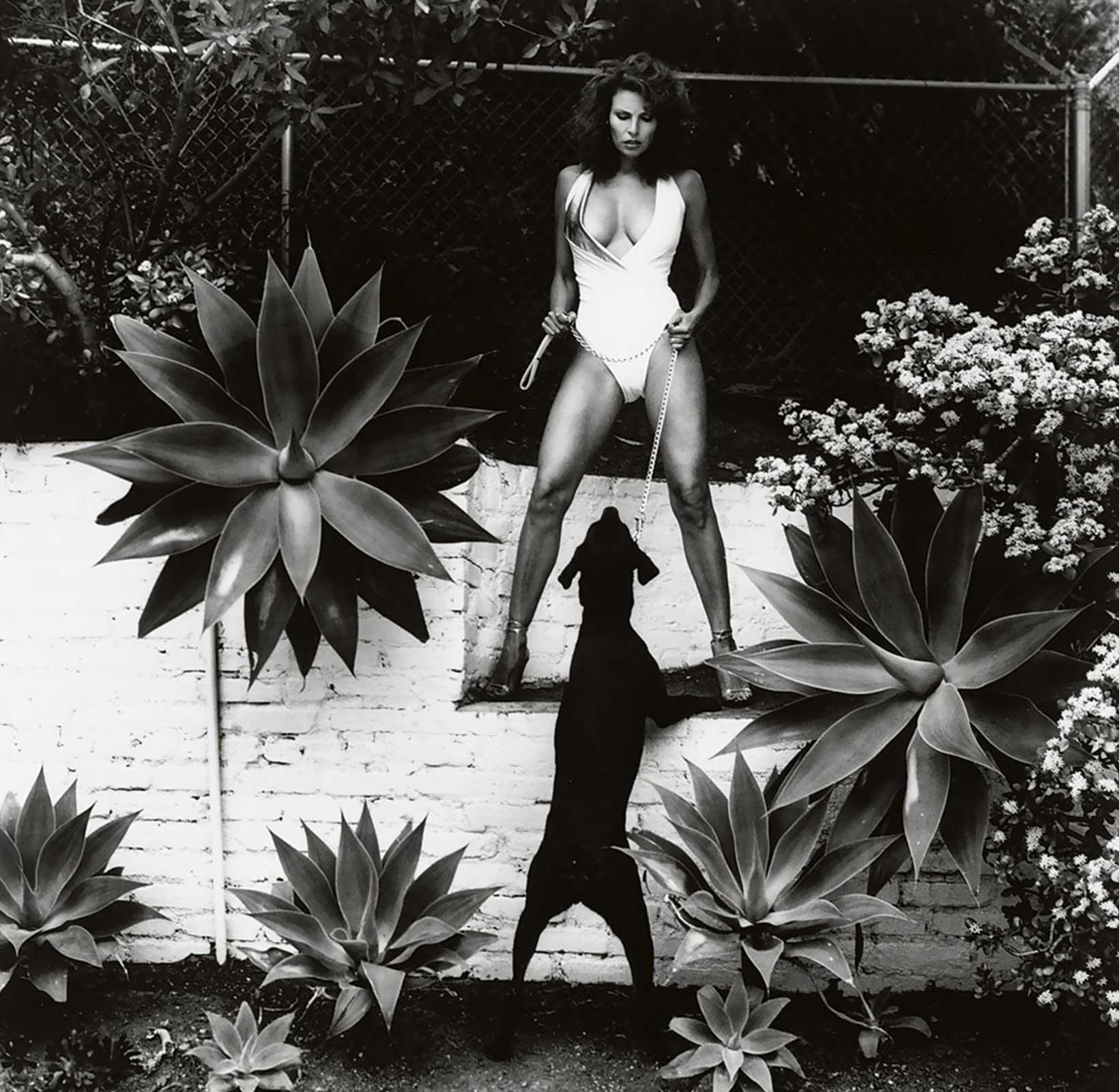
    Raquel Welch photographed by Helmut Newton in 1981
    Helmut Newton | Raquel Welch (1981)

    The world of Helmut Newton is extremely complex and diverse. Considered shocking and provocative back in the 60s, by the climax of his career he enjoyed the reputation of a photographer who was able to imagine and visualize his subjects as women who take the lead rather than follow it; women who enjoy the resplendence and vitality of their bodies; women who are both responsible and willing.

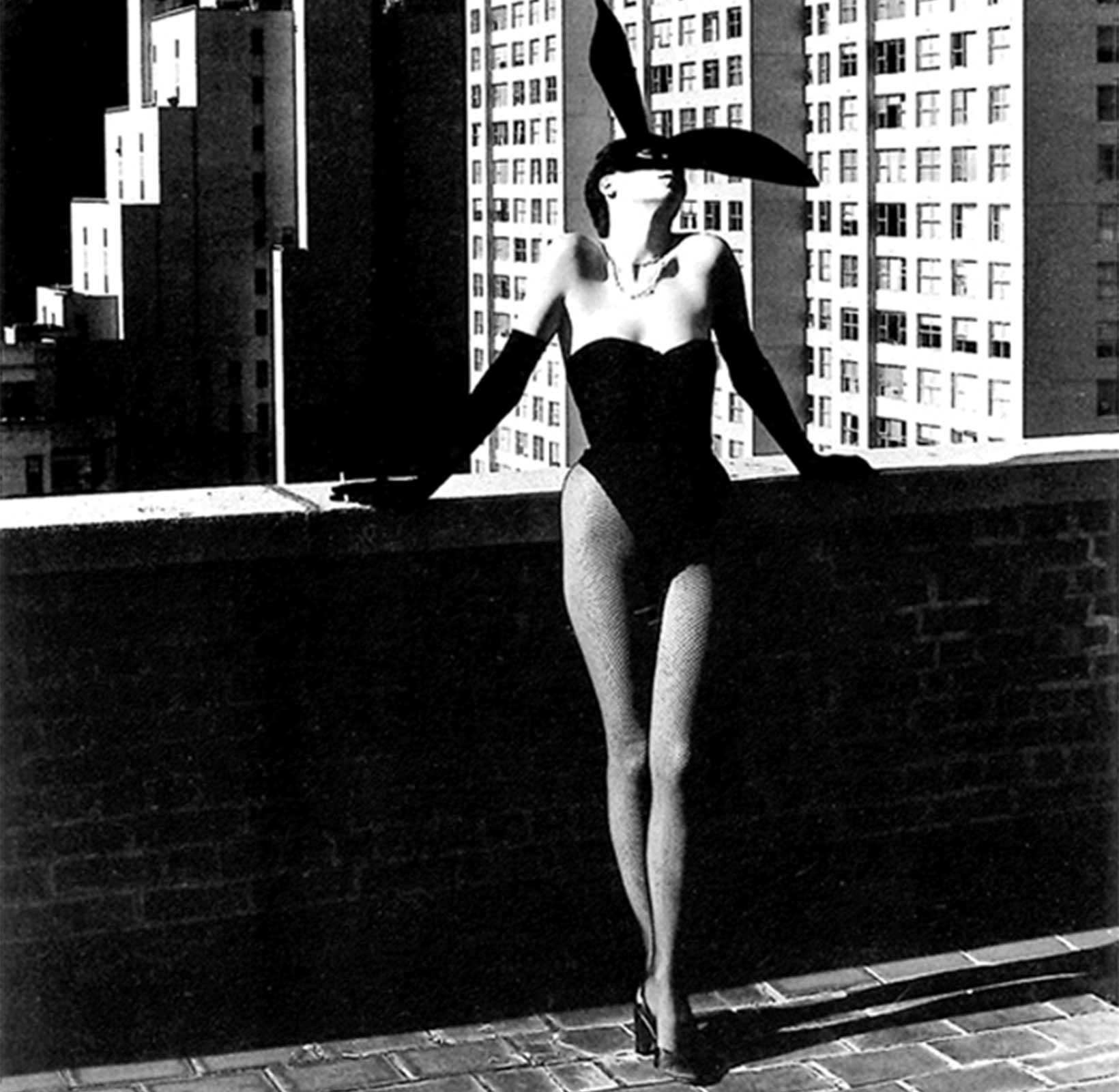
    Elsa Peretti in a 'Bunny' costume by Halston, New York photographed by Helmut Newton in 1975
    Helmut Newton | Elsa Peretti in a ‘Bunny’ Costume by Halston, New York (1975 )

    The Czech born art historian, and curator of contemporary art and photography Zdenek Felix, has said, “From fashion shots to portraits, from nude studies to the world of ballet, from the erotic to the subject of death – Newton’s work encompassed an almost baroque abundance of themes.” Newton’s unique contribution was to give fashion photography a noir edge, making it one of the coolest genres of contemporary art in the public domain.

    Helmut Newton’s genius lies in his work on the female body, his strong, confident Amazons striding towards the camera are an unforgettable moment in fashion history.

    Newton died at the age of 83 from injuries received in a car crash near his home in Southern California.

  • Devin Pierre Photography

    10 of America’s Best Erotic Photographers

    Erotic photographers are a rare breed. They are able to capture the beauty and emotion in tantalizing fine art photographs. Our online erotic art gallery features some of the best erotic photographers...

    Erotic photographers are a rare breed. They are able to capture the beauty and emotion in tantalizing fine art photographs. Our online erotic art gallery features some of the best erotic photographers from around the globe. Today, we take a look at 10 of America’s best erotic photographers, established and rising stars:

    10. Devinn Pierre

    Born in Houston Texas, Devinn Pierre is a talented artist. Devinn’s photography focuses on beauty and freedom. Though his nude stills are unique, this artists’ style captures a 70s era retro feel.

    Devin Pierre Photography
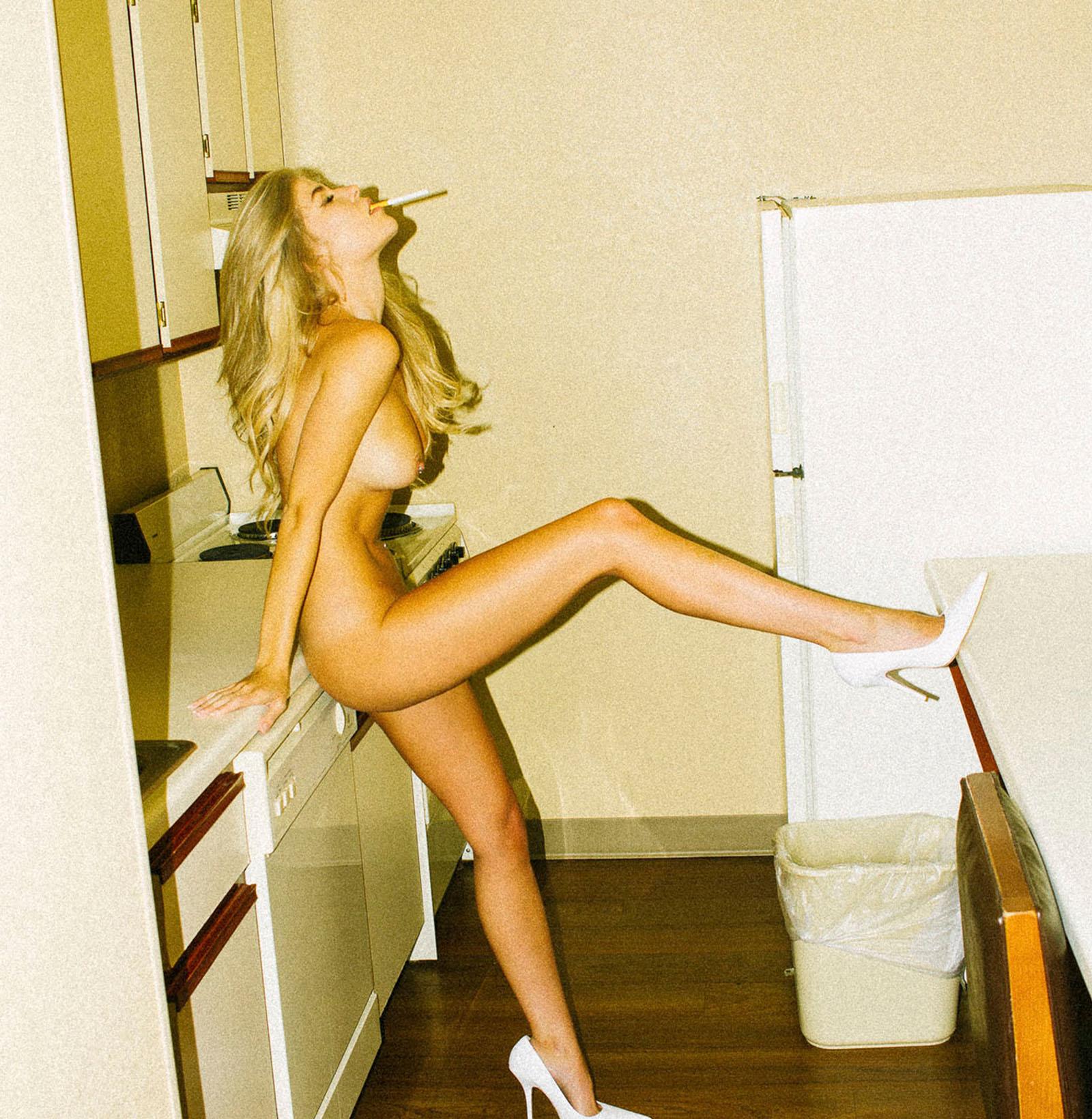
    Sonny In The Kitchen | Devinn Pierre

    Although having a longstanding passion for photography, Devinn is just making headway in the burgeoning erotic photography scene. His photography background includes street-style art and short films, before moving into erotic art. He is already making headway with features in online magazines including Nakid, S&S Mothership, and C-Heads Magazine.

    Devinn Pierre 5572
    Photographer: Devinn Pierre

    In addition to a passion for the lens, Devinn Pierre is a musician. You can find Devinn’s DJ tracks on Apple Music and Soundcloud.

    Devinn shoots on 35mm, medium format, and polaroids. See more of Devinn Pierre’s work in our erotic art gallery.

    9. FASFOTO

    FASFOTO is an erotic photographer based in Baltimore, Mayland. His work focuses on figure, portraiture, and the female body.

    Although another relative newcomer on the erotic art scene, FASFOTO began earning attention quickly. His work has been featured in DEKAN Magazine and he works with a number of talented models.

    fasfoto 6852
    Artist: Fasfoto

    Intent on capturing and contrasting beauty and shape, his work often features scenic and dynamic backdrops. FASFOTO’s work with models also creates expressive and emotive scenes that offer compelling storytelling.

    fasfoto 5686
    Artist: Fasfoto

    For more, explore our gallery of erotic photography by FASFOTO.

    8. Sasha S

    Sasha S, known as nimblephotons on social media, is a San Francisco-based photographer. His work is mostly local, shooting fine art nudes and erotic photographs that feature SF Bay Area landscapes.

    Sculptural Photography
    Dance | Sasha S

    Sasha S produces emotive imagery in both color and black & white. Much of his work features sculptural photo prints. He also captures silhouettes and vibrant candid photos as well.

    For our full collection of nimblephotons erotic photographs, view our art gallery.

    7. Craig Colvin

    Another California artist on the list, Crag Colvin is an award-winning erotic photographer from San Jose. His works have been featured in magazines and galleries all around the world.

    Scenic Erotica
    Jess in Iceland | Crag Colvin

    Colvin’s photography focuses on the form of the human body and he uses the body to capture and compliment the shapes and curves found in nature. Much of Craig Colvin’s photography features scenic nature shots paired with the nude female form.

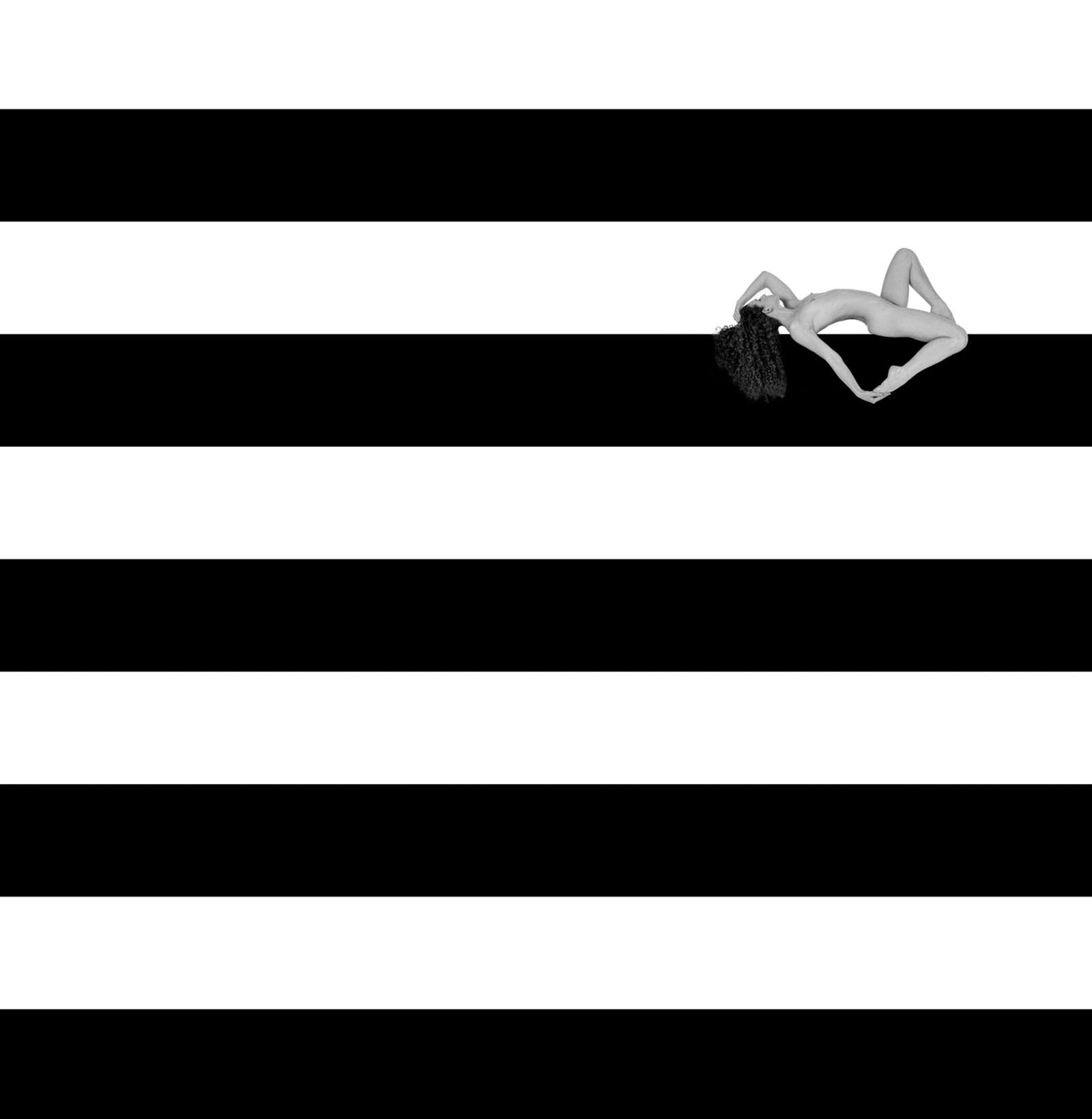
    In addition to scenic photographs, Craig also makes use of geometric backgrounds for sharp contrasts against the body’s natural curves.

    Sculptural Photography
    Keira Stripes | Craig Colvin

    Colvin isn’t just a student of his craft, he’s also a teacher – teaching people around the world in workshops and online courses. Discover more of Craig Colvin’s photography in our gallery.

    6. Ben Horton

    Although based in LA, Ben Horton has made his name by traveling all over the world. Formerly working in the fashion industry, Ben moved into the worlds of fine art and exploration. A born adventurer and climber, his works feature images from views others can’t get to.

    Ben Horton P6770
    Photographer: Ben Horton


    In addition to erotic fine art, Ben Horton shoots for National Geographic and his appreciation of scenic beauty filters into his dynamic and emotive imagery.

    Ben Horton P5087
    Photographer: Ben Horton

    A born storyteller, Ben’s work is provocative and tantalizing. Discover more erotic photography by Ben Horton in our online art gallery.

    5. Perry Gallagher

    Perry Gallagher is a photographer of fine art nudes and erotic imagery. His work focuses on feminine beauty. Stylistically, he uses available light rather than studio lighting to create intimate, unique imagery.

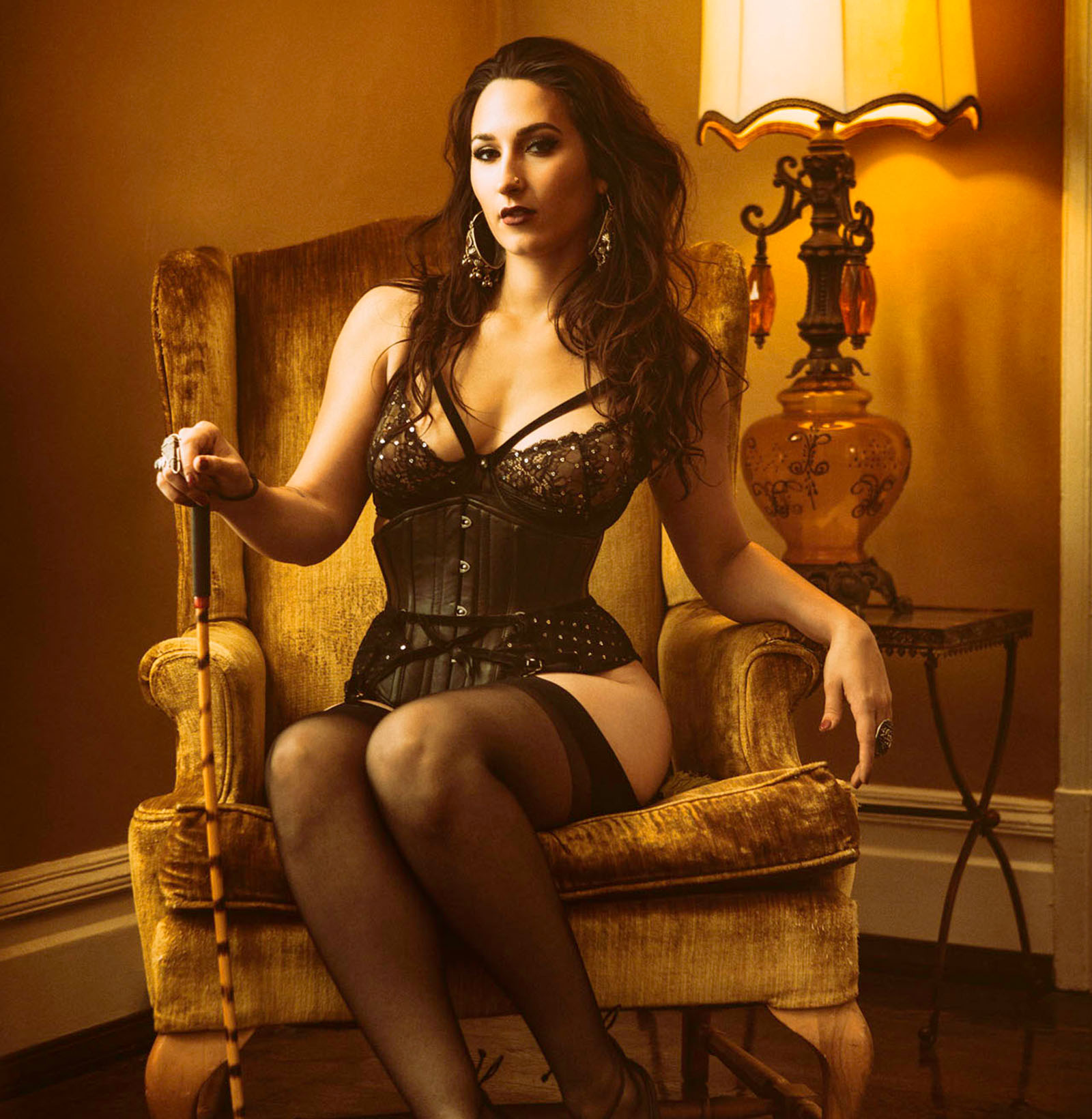
    Fetish Photography
    Ready With The Cane | Perry Gallagher

    Gallagher’s work has been featured in magazines, exhibitions, and galleries all around the world. He works with many different styles of fetish photography and has a range of BDSM photography, costume, boudoir, and foot fetish art prints.

    Perry Gallagher 6241
    Photographer: Perry Gallagher

    An accomplished photographer with worldwide renown, you can explore more of erotic photography prints by Perry Gallagher in our online gallery.

    4. Nai Sirrom

    Nai Sirrom is a truly unique creative mind in fine art erotic photography. His work ranges from tantalizing to downright bizarre. He can deliver strong introspective work through simple minimalistic imagery.

    Nai Sirrom 6959
    Photographer: Nai Sirrom

    Sirrom’s imagery is not limited to minimalist photography. He also makes use of highly stylized photography for powerful storytelling. Sirrom makes use of both black and white photography and colorful, vibrant images.

    Nai Sirrom 6915
    Photographer: Nai Sirrom

    Beyond photography, he also produces erotic fine art through the mediums of mixed media and digital art. Discover and shop Nai Sirrom’s limited edition art prints online in our erotic art gallery.

    3. Niel Galen

    Self-described as “outrageous and cheeky”, Niel Galen brings a sense of whimsy to erotic photography. His work displays a playful side of capturing the beauty and sensuousness of the female form. Highly conceptual, his work toys with shadows and light.

    Romantic Photography
    Sicilian Farmhouse Kitchen | Niel Galen

    Galen’s work is full of contrast. With a sense of liberation coming through in his BDSM fetish photography pieces and his sculptural photographs capturing movement and dance.

    Fetish Photography
    Roof Top Mornings | Niel Galen

    Discover more thematic, sensuous and playful erotic fine art by Niel Galen in our online art gallery.

    2. Craig Morey

    Another award-winning erotic photographer featured in the Art Provocateur Gallery, Craig Morey has a long history in the industry. He was a contract photographer for Penthouse International during their peak in the 80s and 90s. Morey has also been featured in books and publications all over the world.

    Limited Edition Fetish Art
    Natalie 35660.12 | Craig Morey

    Currently, Morey specializes in portraiture and artistic nude photography. He is best known for his black and white erotic studio nudes but also experiments with color and scenic photography. In fetish photography, Morey is making waves with his evocative bondage art prints. His minimalistic bondage photography is emotive and tells a story all it’s own through shadow and light styling.

    Bondage Photography
    Natalie 81098.04 | Craig Morey

    Discover BDSM and erotic photography by Craig Morey in our online gallery.

    1. Aranka Israni

    Currently residing in New York, erotic photographer Aranka Israni is one of the few East-coast representatives on this list. Her exhibitions date back to 2000, predating her post-secondary fine arts education. Since then, her work has been on display around the world and has been featured in publications like La Provence and Vie Magazine.

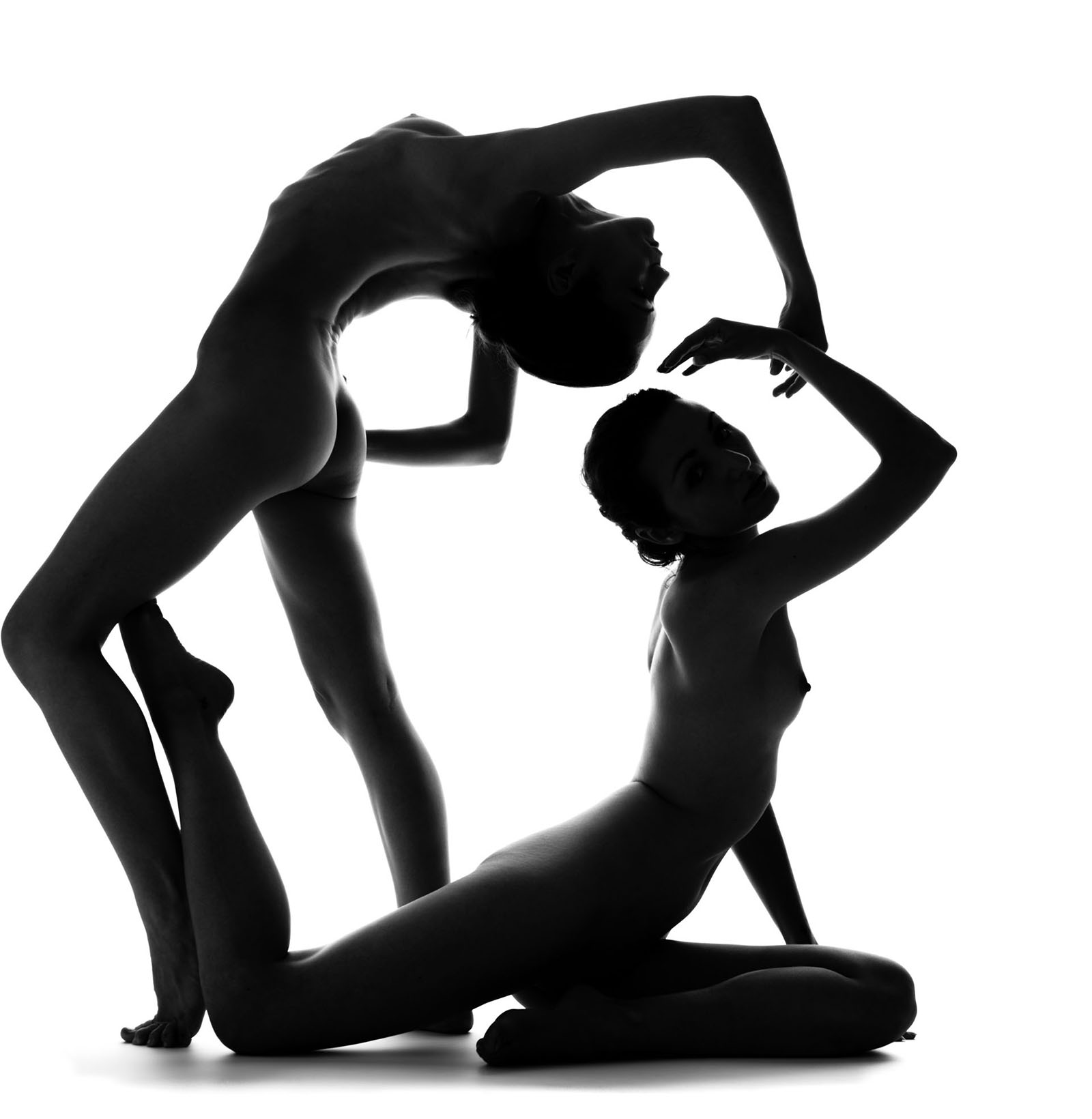
    Sculptural Erotic Art
    Float | Aranka Israni

    With her artistic background including live video artistry, Israni’s photography captures movement and the transition between moments. She uses her camera to capture the emotional truth that the human form conveys. In her silhouette photography, she displays the duality of opposites in humanity, with a specific focus on the tension between masculinity and femininity.

    Silhouette Photography
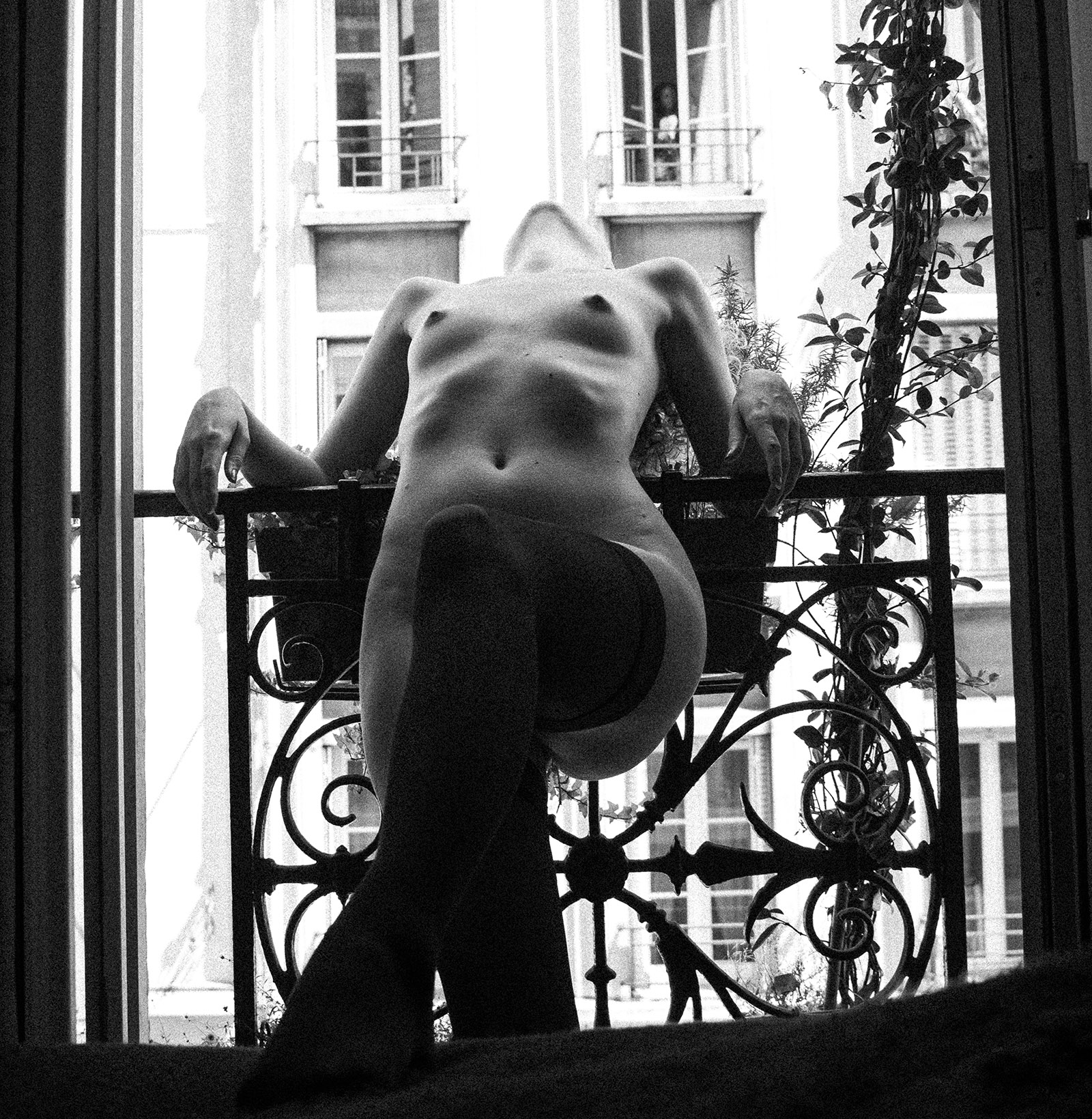
    Loop | Aranka Israni

    Discover and shop limited edition prints of sculptural and erotic photography by Aranka Israni.

    Shop Limited Edition Erotic Photography Online

    Art Provocateur Gallery is the industry leader in shopping for limited edition erotic art. Our roster of artists consists of the best-established artist and rising stars in the industry. All prints come with the best printing quality and options. Discover leading erotica in limited editions and original art. Browse our online erotic art gallery for more.

  • Madonna | Erotic Years

    Taking the 80s by storm, Madonna stands as a legendary sex symbol who truly revolutionized the social culture of her decade. Embracing sex and rebellion as the cornerstones of her image, she fearlessly...

    Taking the 80s by storm, Madonna stands as a legendary sex symbol who truly revolutionized the social culture of her decade. Embracing sex and rebellion as the cornerstones of her image, she fearlessly bashed conservative family values, leading an age of sexual liberation and free expression. With her risqué performances and clothes, she standardized a whole new level of provocation, carving her place as the queen of pop, and most importantly, the icon who empowered women to embrace their sexuality and social autonomy.

    Madonna was a leader of a revolution that forever influenced the way we perceive erotic art. Through her sexy photos, she became a sign of free expression, showing the world that provocative art is more than just a feast for the eyes; it’s a symbol of empowerment and unbridled energy. In turn, Madonna’s exhibitionism expressed a clear agenda: Why merely shock people when you can lead a revolution?

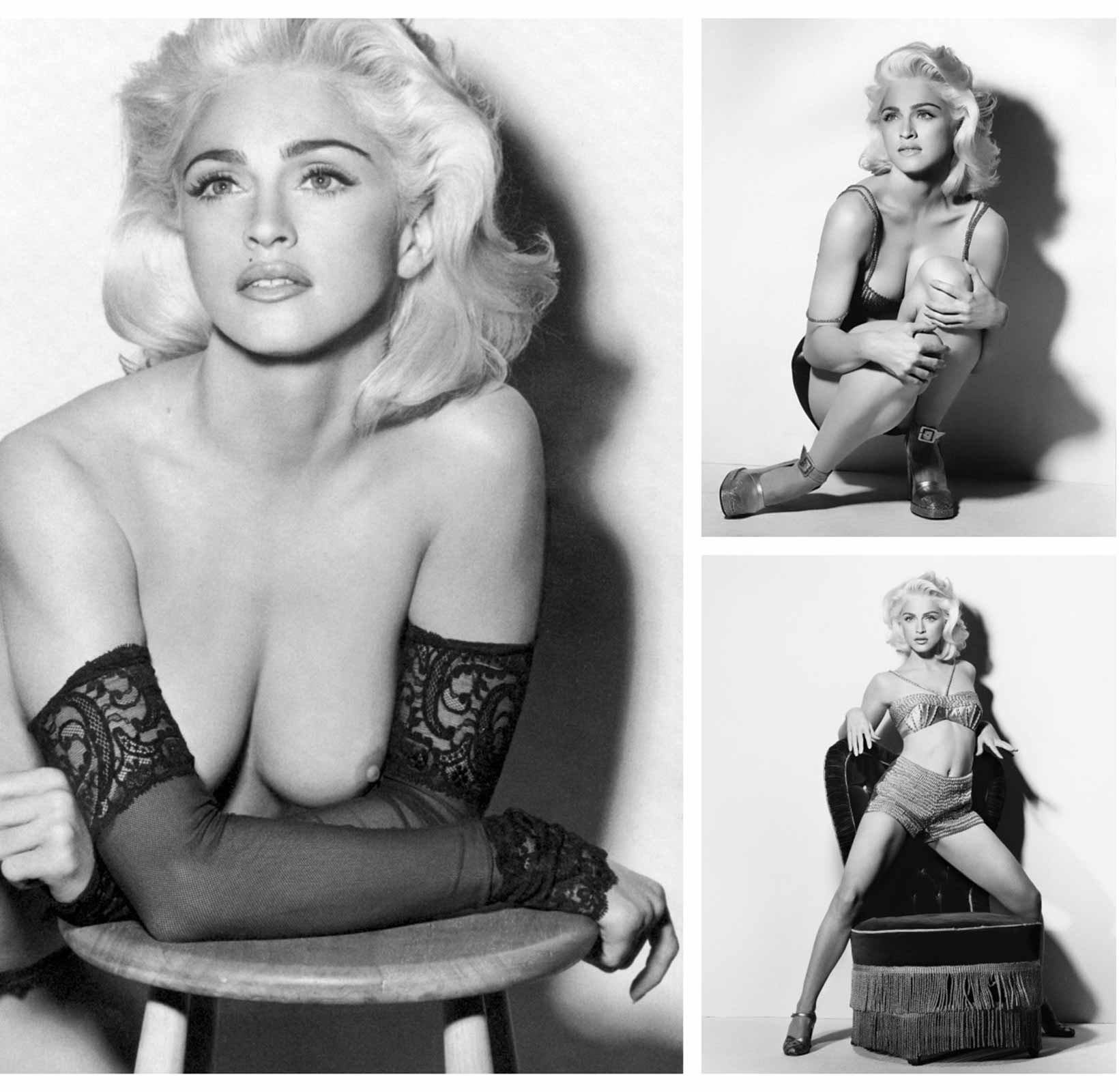
    Madonna for Vogue Italia by Steven Meisel in 1991
    Steven Meisel | Madonna for Vogue Italia (1991)

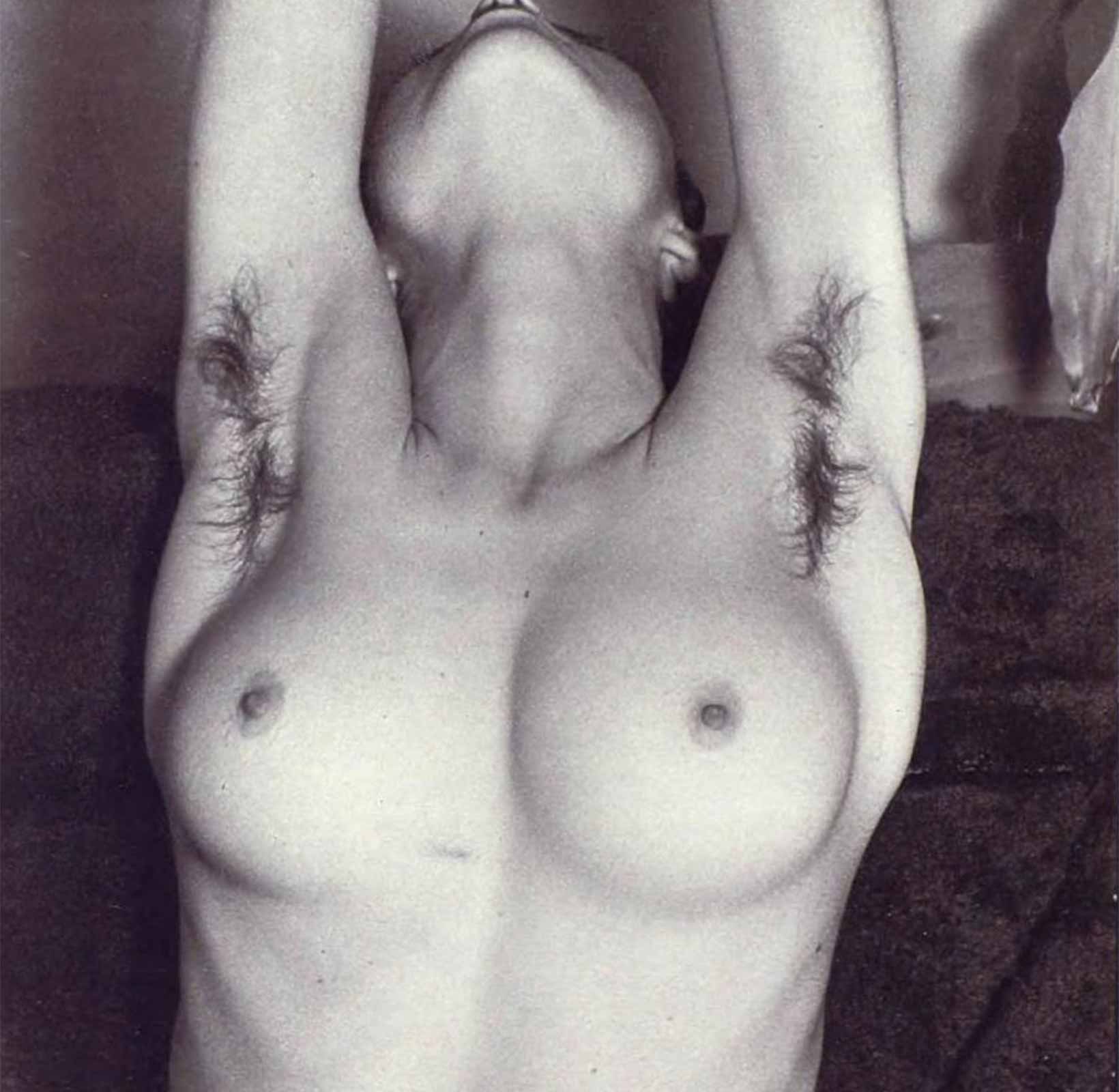
    Madonna made this agenda clear in 1985 when she posed topless for Playboy in collaboration with the photographer, Bill Stone. In these monochromatic photos, she poses full-frontal with unshaved privates and underarms, indicating a trendy bohemian attitude toward her nakedness.

    Madonna underarms by photographer Bill Stone in 1985
    Bill Stone | Madonna (1985)

    The plain backdrop—instead of the standard glamorous background, enhances this effect, Madonna is posing within commonplace settings in most of the photos. Her simplicity and bluntness indicate genuine, unembellished ownership over her body, producing an eroticism that is both real and attainable.

    Madonna by photographer Steven Meisel in 1992
    Steven Meisel | Madonna (1992)

    However, Madonna’s photos were perceived as lewd and distasteful, provoking a surge of public controversy surrounding her image as both a pop star and a role model. Nevertheless, Madonna’s full-on nudity showed rich confidence and a willingness to confront the conservative values of her era.

    The authenticity and openness of her eroticism demonstrated self-approval and true liberation. In turn, she stripped away the shame and indignity that was commonly associated with erotic photography and introduced a rich and meaningful revival of this genre.

    Madonna photographed by Steven Meisel in 1992
    Steven Meisel | Madonna (1992)

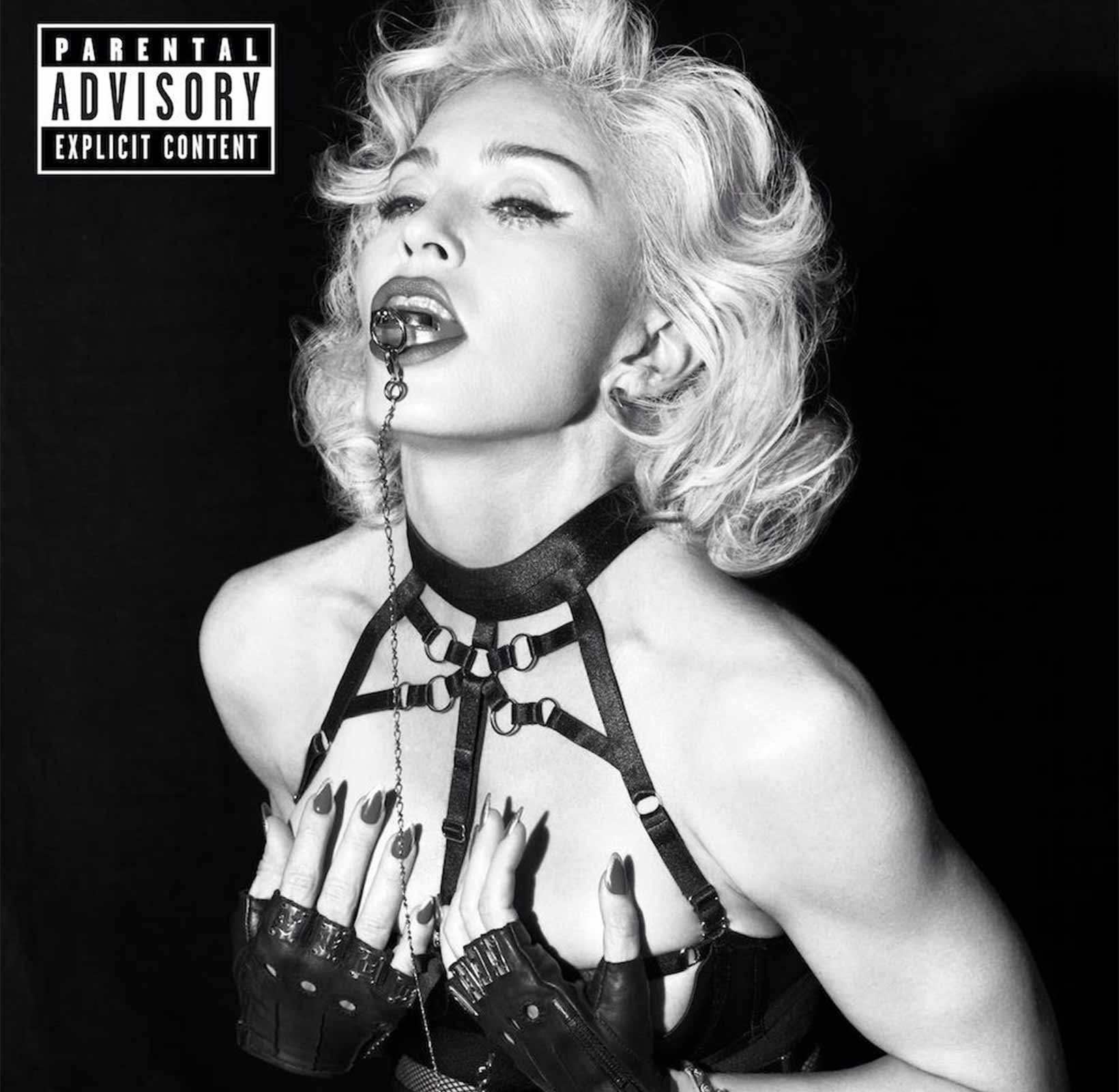
    As her sexual identity matured, she continued to push the intensity of her erotic art. On October 21, 1992, she released “Sex,” a coffee table book filled with soft-core pornographic photographs. Shot by Steven Meisel Studio, the pictures carried a sadomasochistic nature, depicting Madonna in various bondage-related poses and interactions. Every aspect of the scene represented lawlessness and youth: her untidy bleached hair, the rope and cuff restraints, and the overall explicitness of the act of bondage and the art of sex.

    Madonna was dubbed “The Queen of obscene.”

    Traditionalists and moralists believed she had gone too far, while her fans shared mixed reactions – some bewildered, some amazed and some inspired. But most importantly, these antics begged the question: why?

    At the heart of these photographs, we’re not merely seeing an aimless sensationalist at work, but rather something more powerful. She unleashes an inner ferocity that is inherent in all of us but often suppressed. As a result, her photos not only bash the squeamish mainstream views of her time but also invite people to welcome sexuality with new eyes.

    STEVEN MEISEL | MADONNA (1992)
    STEVEN MEISEL | MADONNA (1992)

    Despite all the scandal surrounding Madonna’s eroticism, there really was a method to her antics. As the ringleader of modern sexuality through the 80s, Madonna’s exploits can be viewed as a demonstration of empowerment. Her naughty trademark and explicit nudity was a pathway to a new age of women and culture.

    Explore Art Provocateur Gallery to shop the most enticing erotic art for sale. Discover art prints ranging from erotic and nude photography to pin-ups and paintings. Start building your collection today and learn the tantalizing thrills of decorating with nude art.

  • Wonderhussy Sarah Jane Woodall

    Sarah Jane Woodall Interview

    Obviously, California born Sarah Jane Woodall is just a blast to be with: and not only because she’s delightful to look at, she’s funny, she knows her own mind, likes to be naked, and is just...

    Obviously, California born Sarah Jane Woodall is just a blast to be with: and not only because she’s delightful to look at, she’s funny, she knows her own mind, likes to be naked, and is just gorgeously sexy.

    Sarah has become delightfully notorious for luscious nude photographs in every outfit, role, and persona imaginable. I bet if there is something you like, well, there is a picture of sweet Sarah doing it.

    The Interview.

    APG: You are so at ease with your body and nudity; can you tell me how you came to be so comfortable in your own skin?

    Sarah: I started modeling nude to prove a point to myself. I had always felt that there was nothing shameful in a naked body, yet when I started modeling I had a very strict “NO NUDES” clause in my contract. At that time, I was in a relationship with a pretty conservative guy….and when he and I broke up, I asked myself what was stopping me from being truly free. The answer was: NOTHING!!! So, I shed my clothes and my inhibitions, and have never looked back.

    Wonderhussy Sarah Jane Woodall
    Image courtesy of Sarah Woodall

    APG: I have heard that your appeal is part sex kitten part girl next door and you are really into being outdoors and into nature.Sarah: “I am a HUGE outdoors nut!! I live in the desert, so that’s my #1 spot. I love the sand dunes, the dry lake beds, the red rocks….I love the sunshine and the blue skies and the WIDE OPEN SPACES!”

    APG: It takes a certain amount of freedom, confidence, intuition, and creativity to be a model and to be a performer. I was wondering if you admire any models or burlesque performers?

    Sarah: I never really thought much of Bettie Page until I saw that movie they made about her a few years ago. There were SEVERAL scenes in that film that really resonated me with — in a REALLY WEIRD way, my life is paralleling hers. Although I have not found the same level of success…yet!

    I also admire performance artist Annie Sprinkle IMMENSELY for her work demystifying the female body. “Public Cervix Announcement” is TO DIE FOR!

    APG: Speaking of Annie Sprinkle, your recent foray into fine art was a great success. I would love to know more about the creative drive behind the performances that have recently received a great deal of press. I am thinking of the piece “The Electric Vagina” that premiered at the arts and culture festival Life is Beautiful, Las Vegas as part of Sin City Gallery’s curated gallery show.

    Sarah: I was hired as a sexy mud wrestler at one of the Vegas casinos, and each lady wrestler had a very cartoonish, sexy persona: Dirty Diana, G.I. Jane, etc. When it came time to devise my own character, rather than pander to some dumb sexist fantasy I preferred to come up with something empowering. I already knew my name would be Wonderhussy, so I bought a traditionally sexy Wonder Woman costume and made some modifications.

    “My name would be Wonderhussy” – Sarah Jane Woodall

    I thought back to my high school art class sketchbooks, to a drawing of a woman with an electrical outlet for a vagina: a sexless hybrid of Man and Machine, a sexual Cyborg with none of the traditionally messy romantic and sexual entanglements. I made an electrical codpiece to fit over my Wonder Woman costume, plugged in a power drill with the longest, meanest concrete drill bit I could find….and attached an American flag to the end.

    Wonderhussy Sarah Jane Woodall
    Image courtesy of Sarah Jane Woodall

    APG: And this developed further into an extended character-driven performance?

    Sarah: I modified the idea for my favorite arts festival, Burning Man — I plugged in a blender instead of a drill, and blended up pitchers of delicious, frosty Coladas using nothing but Kegel power! I am currently brainstorming new electrical appliances/devices that I can plug into my Electric Vagina for the amusement and edification of others. Stay tuned!

    APG: So……What is your next big project?

    I am working on Electric Vagina 2.0: the Uber Vagina! In this version, you download an app and order up a cyber vagina when you need one…direct to your home. The vagina shows up, but no cash changes hands — it’s all done over the app. No fuss, no muss. Still hashing out the legalities.

    Beautiful Sarah Jane Woodall in summation, she makes us laugh, feel good about ourselves, makes us want to know her more, and keeps us in wait for her next entertaining idea, and of course, her next hot picture.

    We look forward to more creative, rebellious performative pieces, and maybe a few more nudes.

  • robert mapplethorpe

    Robert Mapplethorpe | Master of Provocative Nude Photography

    Even during his earliest training as an artist, Mapplethorpe sought his own unique expression. During his time as a student at Pratt Institute in Brooklyn, New York, Mapplethorpe built on the cutting-edge...

    Even during his earliest training as an artist, Mapplethorpe sought his own unique expression. During his time as a student at Pratt Institute in Brooklyn, New York, Mapplethorpe built on the cutting-edge approaches of 20th-century icons such as Robert Rauschenberg and Jasper Johns by focusing on mixed media compositions. It was his acquisition of a Polaroid camera in 1970, however, that truly changed his approach completely. At first, he saw photographs as a means to produce what he called “more honest” collages, but soon, as his finesse in the medium progressed, Mapplethorpe pursued photography as his main medium.

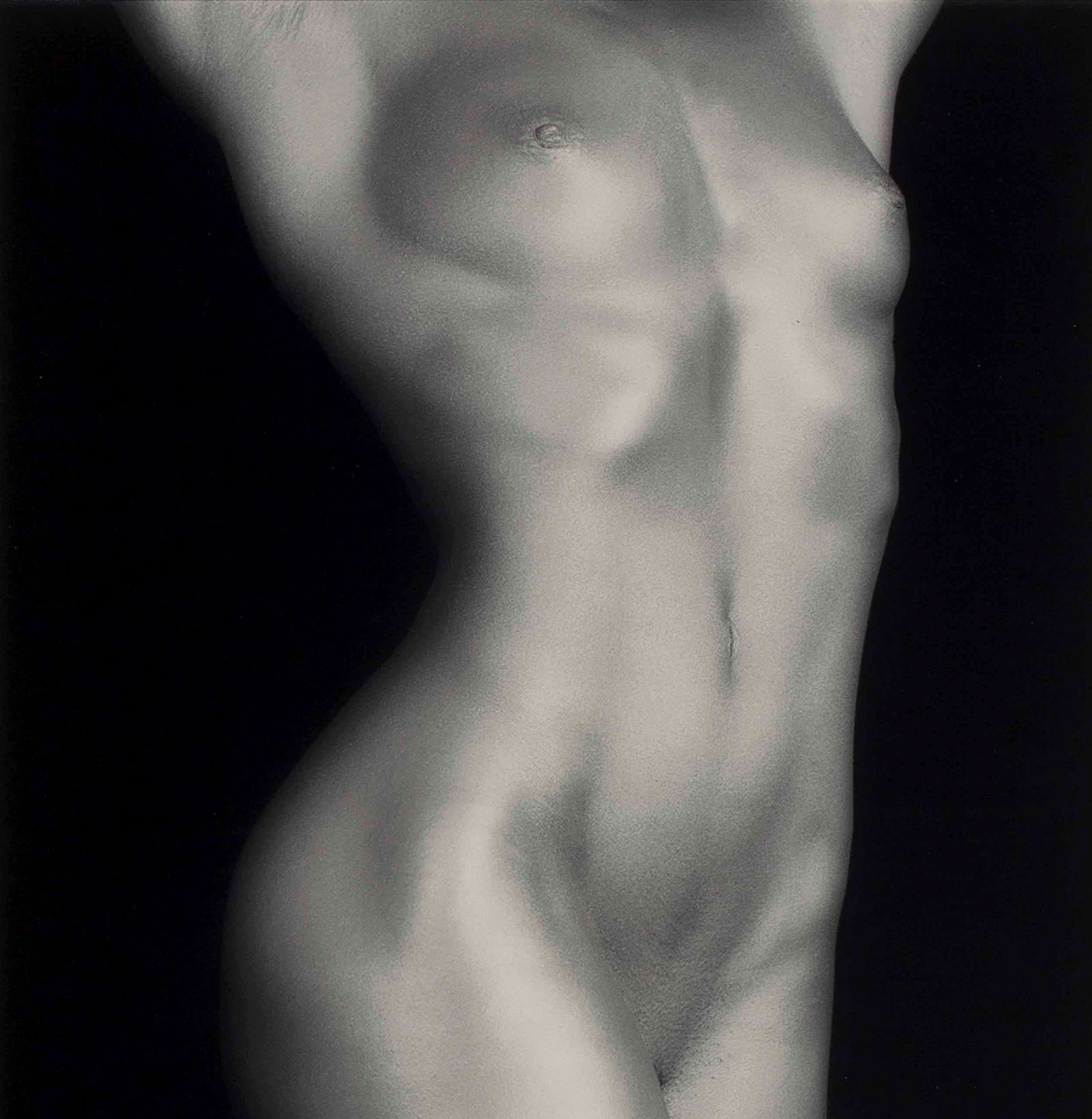
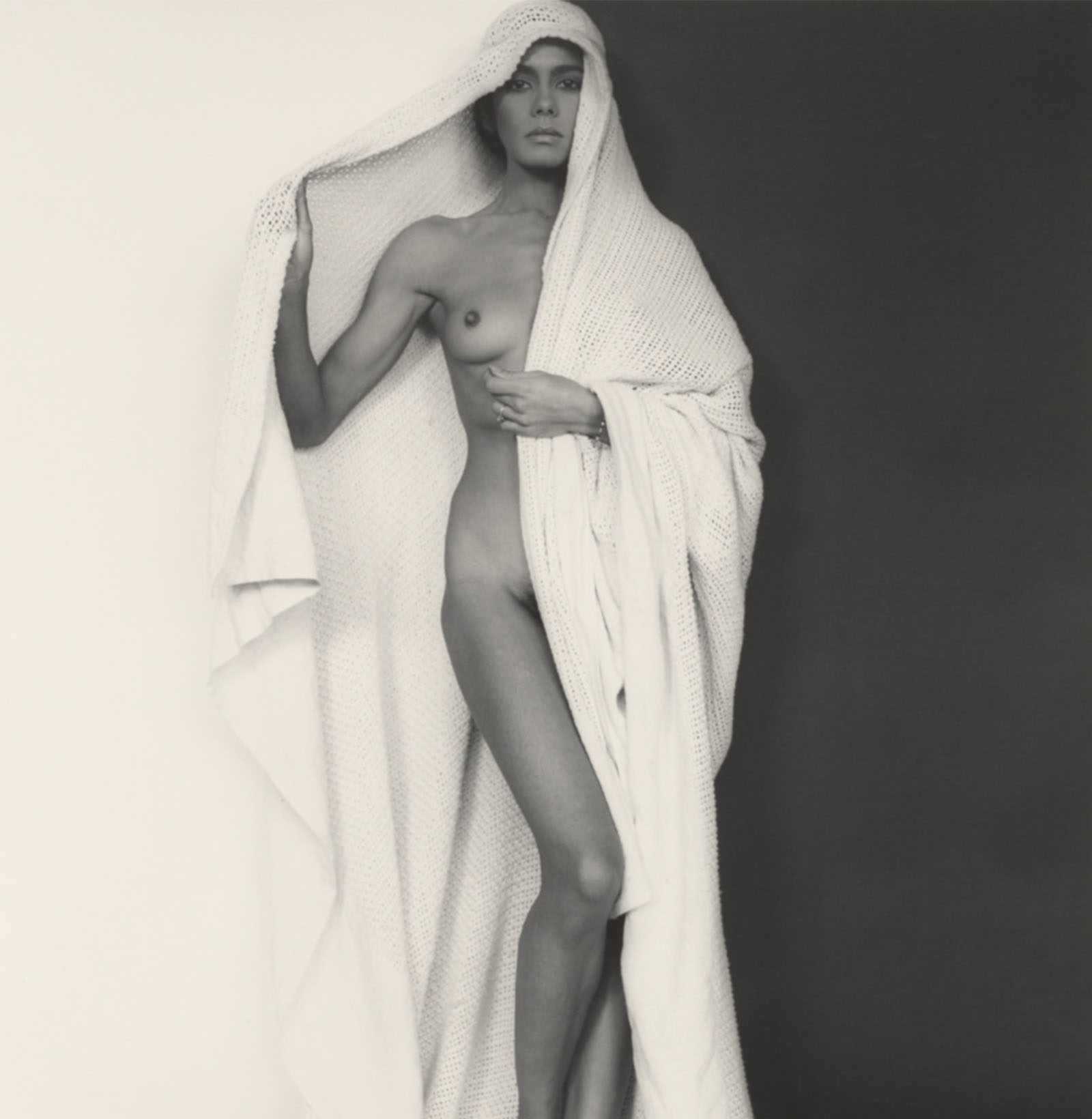
    Though some of his initial series were commercial commissions, when shooting for himself Mapplethorpe most often focused his lens on the people that surrounded him: friends, fellow artists, and associates from the S&M underground. It was this more covert culture that came to dominate his artistic oeuvre. His aim in his imagery was not to exaggerate the erotic content. On the contrary, he saw his images as chronicling an under-documented aspect of American culture. “I don’t like the word shocking,” Mapplethorpe mentioned in an ARTnews interview in 1988 when discussing his images, “I’m looking for the unexpected.” He showcases this unexpected aspect in the way in which he crops his compositions.

    ROBERT MAPPLETHORPE | MODEL: LYDIA
    ROBERT MAPPLETHORPE | LYDIA

    In most frames, we are not given an entire figure but rather just one of its tantalizing tidbits. On the one hand, such cropping can be seen as teasing the viewer, leaving him or her to imagine the remainder of the figure. On the other hand, this cropping creates a visual distance, or disconnect, that encourages the viewer not to idolize the model as a sex object but rather celebrate the sensual landscape of the body one frame at a time.

    One of Mapplethorpe’s most striking series of nude female photographs was shot in the early 1980s. With his prominence as a photographer secured, Mapplethorpe used World Women’s Bodybuilding Champion Lisa Lyon as his muse. In this series, Mapplethorpe conjured intimate images that on the one hand played with the provocative, but on the other, celebrating the classical components of form and proportion. The result was a compelling compendium of images that showcased both the beauty of the female form and the artful eye of Mapplethorpe himself.

    Robert Mapplethorpe Maybelle
    ROBERT MAPPLETHORPE | MAYBELLE


    It was shortly after this series that Mapplethorpe’s health began to decline: 1986 brought the revelation that he was suffering from AIDS. He died three years later at the age of 43, and yet his status was already secured as one of the most significant photographers of the 20th century. This status is still secure today, as Mapplethorpe’s images are continuously recognized for their artful beauty.

    Shop Limited Edition Erotic Art

    Art Provocateur is an online art gallery featuring the finest limited edition nude and erotic art from a mix of established and growing artists. You can discover titillating fine art prints you won’t find anywhere else. Browse our collection of limited edition erotic art today.