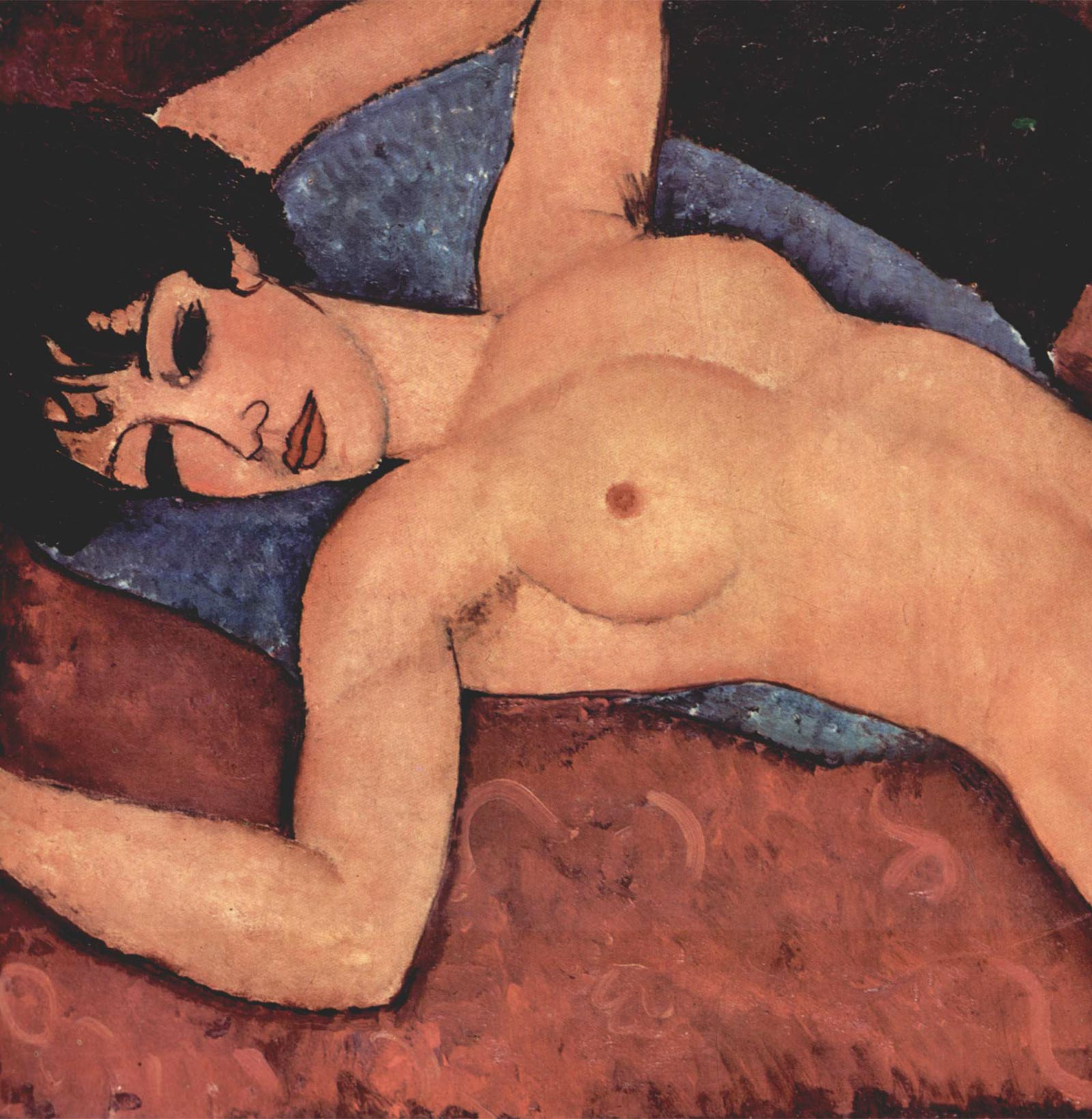
10 Erotic Artworks That Changed the Way We Look at Desire
Erotic art has never been just about sex. At its best, it is about power, longing, beauty, control, surrender, fantasy, taboo, and the uneasy space between what society permits and what it...
Erotic art has never been just about sex.
At its best, it is about power, longing, beauty, control, surrender, fantasy, taboo, and the uneasy space between what society permits and what it privately obsesses over. That is precisely why erotic art has remained so enduring. It doesn’t simply depict the body. It exposes the systems, fears, fantasies, and desires projected onto it.
Across centuries, artists have returned to erotic subject matter not because it shocks, but because it reveals. Sometimes the work is tender. Sometimes confrontational. Sometimes deeply symbolic. And sometimes it forces the viewer to confront just how much discomfort still surrounds desire itself.
Below are ten artworks that continue to define erotic art history—not only because they are sensual, but because each one changed the cultural conversation in its own way.
1. The Birth of Venus — Sandro Botticelli
At first glance, The Birth of Venus seems almost too elegant to be called erotic. It is airy, graceful, mythic. Yet that is exactly what makes it so powerful.
Botticelli transforms the nude female body into something both divine and unmistakably sensual. Venus emerges from the sea fully exposed, yet framed not as scandal, but as beauty itself. Her nudity is softened by idealism, but the erotic charge remains. It is simply refined through myth, symbolism, and aesthetic distance.
This painting matters because it helped normalize the erotic nude within Western art by wrapping desire in classical legitimacy. In other words, it made sensuality respectable.
2. Venus of Urbino — Titian
If Botticelli’s Venus is ethereal, Titian’s is fully aware of the viewer.
Venus of Urbino is one of the most psychologically charged nudes in art history because the woman does not appear lost in myth or abstraction. She is present. She sees you. And that changes everything.
Her relaxed pose may echo classical tradition, but her gaze is direct, intimate, and undeniably knowing. This is not a passive body placed on display. It is a figure with erotic intelligence. The painting blurs the line between ideal beauty and private invitation, which is exactly why it has remained so influential.
This work is often remembered for its sensuality, but its deeper power lies in its gaze. Desire here is not one-sided. It looks back.
3. Olympia — Édouard Manet
When Olympia was first shown, it caused outrage—and not simply because it was nude.
Nude bodies had existed in art for centuries. What unsettled viewers was that Manet removed the usual veil of mythology and fantasy. Olympia is not a goddess. She is a contemporary woman, likely a courtesan, and she confronts the viewer with unapologetic self-possession.
She does not perform softness. She does not pretend innocence. She does not offer modesty to make the viewer comfortable.
That was the scandal.
Olympia remains one of the most important erotic paintings ever made because it disrupted the illusion that erotic art is only acceptable when disguised. It exposed how much culture depends on aesthetic distance to tolerate desire.
4. The Origin of the World — Gustave Courbet
Few works in art history remain as direct—or as divisive—as The Origin of the World.
Courbet stripped away allegory, romance, and polite composition. What remains is startling in its simplicity: the female body presented without apology, without narrative distraction, and without the usual symbolic cover that historically softened erotic imagery.
Even now, the work retains its power because it forces a question many viewers still resist: why does explicitness in art feel so much more threatening than violence, conquest, or domination?
This painting is not subtle. It is not meant to be. Its importance lies in how it dismantled the comfortable boundaries between “high art” and bodily truth.
5. The Dream of the Fisherman’s Wife — Katsushika Hokusai
This work remains one of the most discussed erotic images in art history because it exists in that fascinating zone where fantasy, symbolism, pleasure, and discomfort all collide.
Hokusai’s The Dream of the Fisherman’s Wife is surreal, intimate, strange, and impossible to ignore. It is often reduced to shock value because of its explicit subject matter, but that misses the larger point. The print belongs to a long history of erotic Japanese visual culture that approached sexuality with far fewer of the moral filters common in the West.
Its staying power comes from its ambiguity. Is it humorous? Dreamlike? Grotesque? Liberating? Disturbing?
The answer is often all of the above.
That tension is what makes it unforgettable.
6. Les Demoiselles d’Avignon — Pablo Picasso
This is not erotic art in the easy sense. It is fractured, sharp, confrontational, and unsettling. Yet that is precisely why it belongs on this list.
Les Demoiselles d’Avignon presents five nude women in a brothel, but Picasso refuses the smooth sensuality viewers might expect. The bodies are broken into planes. Faces become masks. The atmosphere is charged, but not comfortable.
The painting matters because it rejects the fantasy of effortless erotic beauty. Instead, it reveals sexuality as something layered with tension, performance, distortion, and power. Desire is not shown as romantic. It is shown as psychologically volatile.
That shift changed modern art.
7. The Kiss — Gustav Klimt
Some erotic artworks provoke through exposure. The Kiss does the opposite. It seduces through atmosphere.
Klimt creates one of the most sensual images in art history without relying on explicit nudity. The embrace is enveloping. The bodies seem to dissolve into ornament, pattern, and gold, as if intimacy itself has become sacred decoration.
What makes this work erotic is not revelation, but immersion. It captures the moment when identity begins to blur in the intensity of connection. The body becomes less important than the sensation of surrender.
It is lush, yes. But it is also psychologically precise. That is why it still resonates.
8. The Joy of Life — Henri Matisse
Matisse approaches eroticism differently. There is no single dramatic focal point. No overt confrontation. No theatrical scandal.
Instead, The Joy of Life offers sensuality as atmosphere. The nude body is woven into rhythm, color, movement, and pleasure. It suggests that erotic energy is not always about explicit encounter. Sometimes it is about freedom, abundance, and the release of inhibition.
That idea matters.
The work expands erotic art beyond the eroticized body alone. It invites the viewer into a world where sensuality is environmental, emotional, and communal. Pleasure becomes a state of being, not just an act.
9. Woman with Green Stockings — Egon Schiele
Schiele’s work remains some of the most psychologically intense erotic art ever made because it refuses polish.
His figures are not idealized. They are angular, raw, vulnerable, exposed, and often disquieting. In Woman with Green Stockings, eroticism is tangled with tension. The body is provocative, but it is also fragile, restless, and emotionally charged.
That is what makes Schiele so important in erotic art history. He understood that desire is not always glamorous. It can be awkward. It can be haunted. It can be deeply human.
His work strips away decorative seduction and replaces it with something more intimate: psychic exposure.
10. Fountain — Marcel Duchamp
At first glance, Fountain may seem like an odd choice for a list of erotic artworks. Yet its inclusion is important because eroticism in art is not only about bodies. Sometimes it is about implication, provocation, and symbolic disruption.
Duchamp’s urinal changed art history by asking viewers to question authorship, value, and meaning. But it also opened a broader door: once an object can become art through context, then sensuality itself can shift from image to idea.
That matters in the history of erotic art.
After Fountain, eroticism no longer had to live only in painted flesh or sculpted form. It could exist in suggestion, subversion, irony, and conceptual tension. In that sense, Duchamp helped widen the terrain of what provocative art could be.
Why Erotic Art Still Matters
Erotic art endures because it reveals more than anatomy.
It reveals what a culture fears.
It reveals what it worships.
It reveals what it tries to hide behind morality, aesthetics, or performance.
And perhaps most importantly, it reveals how unstable the line between beauty and taboo has always been.
The strongest erotic artworks are rarely the most explicit. They are the ones that make us aware of our own reaction—our attraction, discomfort, curiosity, shame, fascination, judgment, or recognition.
That is where the real charge lives.
Erotic art is not powerful because it is sexual. It is powerful because it exposes how deeply human sexuality is tied to power, identity, fantasy, vulnerability, and control.
And that conversation is far from over.